
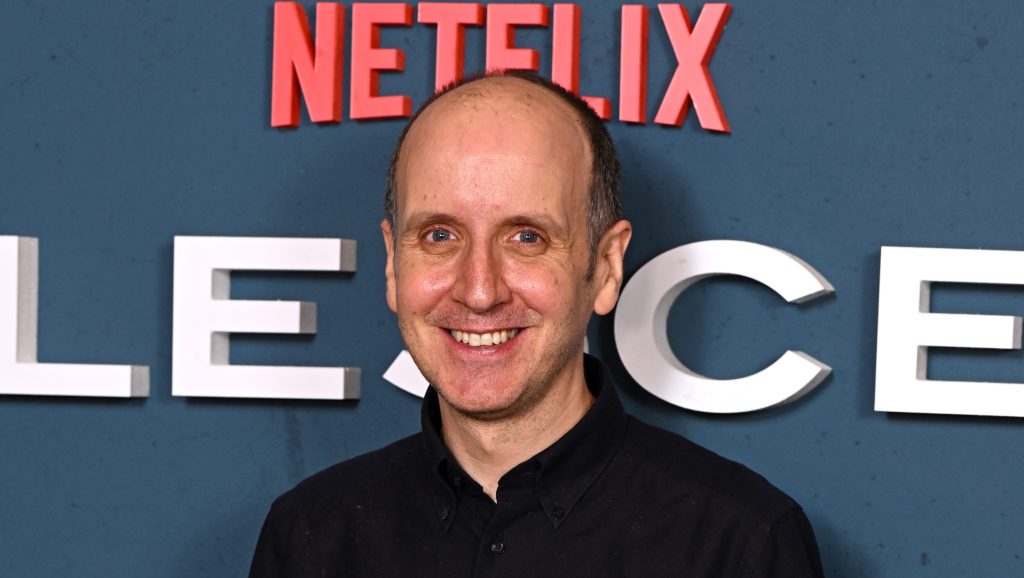
Jack Thorne Advocates for Urgent Action to Prevent TV Drama Crisis in the UK
Renowned writer Jack Thorne has sounded the alarm on what he sees as an impending crisis in the UK television drama landscape. With his extensive background in screenwriting, Thorne is no stranger to the intricacies of the industry, having penned acclaimed works such as “This Is England,” “The Virtues,” and “His Dark Materials.” His call for urgent action comes at a critical juncture, as the future of British television drama hangs in the balance.
The Current State of UK Television Drama
The UK television drama sector has long been a beacon of creativity, producing a wealth of content that resonates not just domestically but globally. However, the industry is currently facing significant challenges that threaten its very fabric. These challenges are multi-faceted, encompassing economic pressures, changes in viewer habits, and the evolving landscape of content consumption.
With the rise of streaming services, traditional television viewership has dwindled. Audiences are increasingly turning to platforms like Netflix, Amazon Prime, and Disney+, which offer a vast array of content at their fingertips. This shift has put pressure on UK broadcasters to adapt quickly or risk losing their audience base. Moreover, the pandemic has exacerbated these issues, with production delays and budget constraints further complicating the landscape.
Jack Thorne’s Concerns
Thorne’s advocacy for urgent action stems from his deep understanding of the industry’s dynamics. He emphasizes that the current trajectory could lead to a significant decline in the quality and quantity of UK television drama. His concerns are rooted in several key areas:
- Funding Shortfalls: The financial viability of producing high-quality drama is under threat as budgets shrink. Thorne argues that without adequate funding, the creative potential of writers and producers will be stifled.
- Talent Drain: As opportunities decrease, there is a real risk of losing talented writers, directors, and actors to industries abroad or to other forms of media. This brain drain could weaken the unique voice of UK television.
- Diversity of Storytelling: Thorne highlights the importance of diverse narratives that reflect the rich tapestry of British life. A lack of investment in local stories could lead to a homogenization of content that fails to resonate with a broad audience.
The Cultural Impact of a TV Drama Crisis
Thorne’s call to action is not merely about the industry itself; it is about the cultural ramifications of a potential crisis. Television drama plays a pivotal role in shaping societal narratives and influencing public discourse. The stories told on screen often reflect real-life issues, provoke thought, and foster empathy among viewers.
If the UK television drama sector were to decline, the implications would be profound:
- Loss of Representation: A reduction in local drama production could lead to fewer stories depicting the diverse experiences of British citizens, particularly those from underrepresented communities.
- Cultural Homogeneity: With fewer local productions, audiences may increasingly consume generic content that lacks authenticity and local flavor, diminishing the cultural richness of UK storytelling.
- Economic Consequences: The television drama industry contributes significantly to the UK economy, from job creation to tourism. A decline could have ripple effects across multiple sectors, impacting everything from related industries to local economies.
Proposed Solutions and Urgent Actions
In light of these concerns, Thorne has outlined several actionable steps that the UK government and industry stakeholders can take to avert this crisis:
- Increased Funding: Advocating for more substantial financial support for UK productions is crucial. This could involve government grants or incentives aimed specifically at drama programming.
- Support for Emerging Talent: Initiatives to nurture young writers, directors, and producers can help ensure that fresh voices and perspectives continue to thrive in the industry.
- Collaboration with Streaming Services: By partnering with streaming platforms, UK broadcasters could leverage their global reach while still prioritizing local content. This collaboration could open new avenues for storytelling and distribution.
The Role of the Audience
While Thorne’s advocacy is directed primarily at industry leaders and government officials, he also emphasizes the role of the audience in shaping the future of UK television drama. Viewers can support local productions by:
- Choosing Local Content: Regularly watching and promoting homegrown dramas can help bolster their visibility and success.
- Engaging in Discussions: Audiences can use social media and other platforms to discuss and critique local dramas, providing valuable feedback that can inform future productions.
- Advocating for Change: Fans can mobilize and advocate for policies that support the UK drama sector, demonstrating to decision-makers that there is a demand for quality storytelling.
Conclusion
Jack Thorne’s impassioned plea for urgent action to prevent a crisis in UK television drama is a wake-up call for all stakeholders involved. As the industry navigates unprecedented challenges, it is imperative that the government, broadcasters, and audiences come together to ensure that the vibrant tapestry of British storytelling continues to thrive. The potential loss of this cultural cornerstone would not only affect the entertainment landscape but also the very fabric of society itself. By taking decisive measures now, the UK can safeguard its rich heritage of television drama for generations to come.
See more CNET Live