
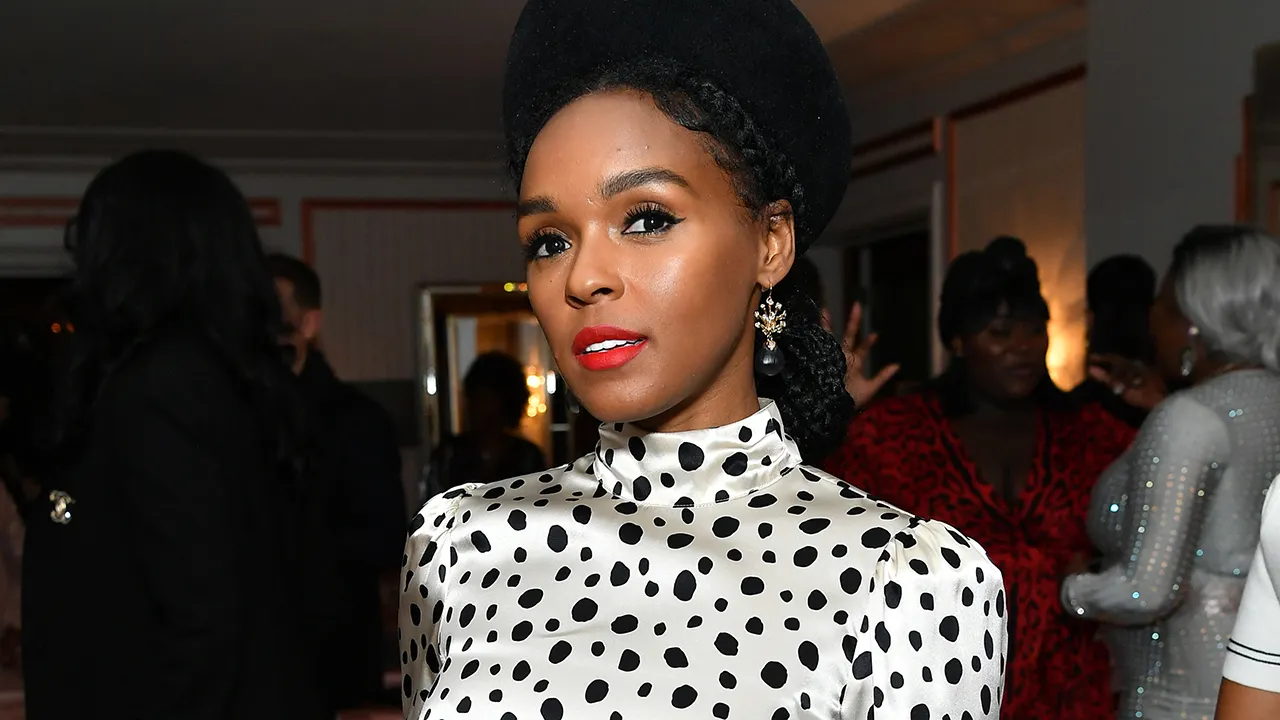
Janelle Monáe Calls Out Nelly’s Trump Performance at Grammys Afterparty
At the recent Grammys afterparty, an unexpected confrontation unfolded when Janelle Monáe publicly addressed Nelly about his performance at Donald Trump’s inauguration. This moment was not just a casual exchange; it was a bold statement that resonated with many in the music industry and beyond. Monáe, a prominent artist known for her activism and commitment to social justice, characterized Nelly’s participation as a “sellout” moment, igniting discussions around celebrity accountability and political engagement.
Context of the Confrontation
To fully grasp the significance of Janelle Monáe’s comments, it’s essential to consider the context surrounding Nelly’s performance during Trump’s inauguration. In January 2017, amidst widespread protests and public outcry against the then-president, several artists chose to distance themselves from the event. Nelly, however, took the stage, performing for a crowd that many felt represented a divisive political climate.
Monáe’s remarks at the Grammys afterparty were not merely a critique of Nelly’s choice but rather a call to action for artists to reflect on the impact of their decisions. She emphasized the responsibility that comes with celebrity status, urging fellow musicians to be mindful of the messages they send through their work and public appearances.
The Importance of Celebrity Accountability
The debate over celebrity accountability has been a hot topic for years, especially as artists wield significant influence over their fans and the broader public. When prominent figures engage in politically charged events, their actions can either reinforce or challenge societal norms and values.
- Influence on Fans: Celebrities have millions of followers who often look up to them as role models. This influence can shape public opinion and inspire action.
- Political Engagement: Artists who engage in political discourse can amplify important messages, but they also risk alienating segments of their audience.
- Responsibility to Society: With great power comes great responsibility. Many argue that artists should use their platforms to advocate for social justice and equality.
Monáe’s confrontation with Nelly serves as a reminder that artists must navigate these complex waters carefully. As they build their brands and careers, the choices they make can have lasting implications for their legacies and the messages they leave behind.
Reactions to Monáe’s Bold Statement
In the aftermath of the confrontation, social media erupted with varied reactions. Supporters of Monáe praised her courage to speak out, highlighting the importance of holding each other accountable within the industry. Critics of Nelly expressed disappointment in his decision to perform at the inauguration, viewing it as a betrayal of the values many in the music community hold dear.
Conversely, some defended Nelly, suggesting that artists should have the freedom to perform wherever they choose, regardless of the political implications. This dichotomy highlights a broader conversation about artistic freedom versus ethical responsibility.
The Broader Implications for the Music Industry
Monáe’s comments and the ensuing discussions reflect a growing trend in the music industry where artists are increasingly vocal about their political beliefs. This shift can be attributed to several factors:
- Social Media Influence: Platforms like Twitter, Instagram, and TikTok allow artists to communicate directly with their fans, fostering a culture of transparency and accountability.
- Political Climate: The heightened political tensions in recent years have prompted many artists to take a stand, using their platforms to advocate for change.
- Rising Activism: Many musicians are now integrating activism into their work, whether through their lyrics, public appearances, or collaborations with advocacy organizations.
As the industry evolves, the expectation for artists to engage with social and political issues may continue to grow. This shift could lead to a new era where music not only entertains but also educates and inspires action.
What’s Next for Nelly and Monáe?
Following the confrontation, questions arise about the future paths of both Nelly and Monáe. For Nelly, this incident may lead to a reevaluation of his public persona and the types of events he chooses to participate in. As he reflects on Monáe’s words, there could be an opportunity for growth and a deeper connection with his audience.
On the other hand, Janelle Monáe continues to solidify her position as one of the leading voices in music advocating for social justice. Her willingness to confront industry peers highlights her commitment to her principles and could inspire other artists to follow suit. As she moves forward, fans will undoubtedly be eager to see how her activism influences her music and public engagements.
A Call for Reflection
The exchange between Monáe and Nelly at the Grammys afterparty invites all artists to reflect on their choices and the broader implications of their work. As the music industry grapples with complex societal issues, the challenge remains for artists to balance their artistic freedom with a sense of responsibility to their communities.
Ultimately, this moment serves as a powerful reminder that music is not just a form of entertainment; it is a platform for dialogue and change. Artists possess the unique ability to influence culture, and with that power comes the responsibility to use their voices wisely.
As discussions about celebrity accountability continue, Janelle Monáe’s bold stand against Nelly’s Trump performance will likely resonate for years to come, inspiring future generations of artists to engage thoughtfully with the world around them.
See more CNET Live