
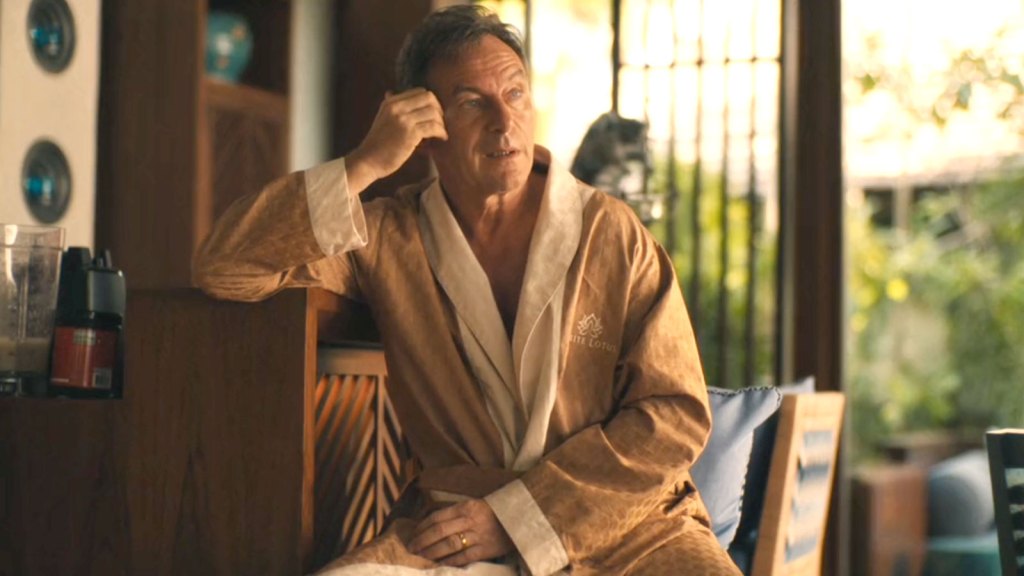
Jason Isaacs Challenges Gender Double Standards Amid Controversial Prosthetic Debate
In a recent interview, actor Jason Isaacs opened up about the glaring discrepancies in societal expectations between men and women, ignited by a provocative discussion surrounding the use of prosthetics in media. His insights not only delve into the nuances of gender norms, but they also shine a light on broader implications for representation in contemporary culture.
The Catalyst: Prosthetics in Media
The debate surrounding prosthetic representation gained momentum with the release of a series of high-profile projects featuring characters with disabilities. Isaacs, known for his roles in “Harry Potter” and “The OA,” found himself at the center of this conversation. He argued that the industry’s approach to casting and character portrayal reflects deep-seated gender double standards.
“When we think about prosthetics, we often imagine them in the context of female characters,” Isaacs remarked. “Women in media are frequently portrayed as needing to look perfect, and any deviation from that norm—whether through age, weight, or disability—is scrutinized far more harshly than their male counterparts.”
Gender Double Standards in Representation
This leads us to consider the broader implications of Isaacs’s statements. Gender double standards are pervasive in many aspects of society, and the media is no exception. Male characters often receive a wider berth when it comes to their appearance and the roles they play. This disparity raises questions about the authenticity of representation and the types of narratives that are prioritized.
- Male Characters: Generally, they can embody a range of imperfections without facing severe backlash. Characters like Tony Stark or Wolverine are celebrated for their flaws, which are often viewed as part of their charm.
- Female Characters: Conversely, women are frequently held to unrealistic standards of beauty and perfection. When they deviate from these norms, they often face harsh criticism, as seen with characters like Rey from “Star Wars”, who has been scrutinized for her appearance and abilities.
Isaacs’s critique of the industry not only underscores a need for change but also invites a dialogue about how these double standards impact audiences. When women are portrayed through a lens of perfection, it can foster unrealistic expectations among viewers, particularly young girls. The question then arises: how can the industry shift its narrative to ensure all characters—regardless of gender—are represented authentically?
Prosthetics: A Tool for Authenticity
The use of prosthetics in film and television has the potential to challenge these norms and promote inclusivity. Isaacs highlighted the importance of employing actors who have lived experiences with disabilities, rather than relying solely on prosthetics to create a character’s appearance. This approach can enrich storytelling and provide a more authentic representation of diverse communities.
Moreover, Isaacs emphasized that the discussion about prosthetics should not only center on physical appearances but also on narratives that explore the complexities of living with disabilities. By shifting the focus, creators can craft stories that resonate more deeply with audiences, fostering empathy and understanding.
Broader Cultural Implications
The issues raised by Isaacs extend beyond the realm of entertainment. They reflect a cultural conversation about gender roles, expectations, and the limitations placed upon individuals based on their gender. As society continues to evolve, it becomes increasingly vital to challenge these norms.
- Empowerment: By advocating for more nuanced portrayals of both male and female characters, actors like Isaacs are empowering the next generation of storytellers to break free from traditional molds.
- Intersectionality: It’s essential to consider how various identities intersect. The conversation around gender double standards should also include race, sexual orientation, and socioeconomic status, ensuring a comprehensive understanding of representation.
Isaacs’s words resonate with many in the industry and among audiences alike. As conversations about representation gain traction, it is clear that the push for authenticity and diversity in storytelling is more crucial than ever.
Moving Forward: The Role of Creatives
So, how can creators and industry professionals work towards a more equitable landscape? Here are some actionable steps that can be taken:
- Inclusive Casting: Prioritize hiring actors with disabilities for roles that reflect their experiences. Authentic representation fosters genuine connections with audiences.
- Storytelling that Matters: Focus on narratives that explore the realities of living with disabilities, rather than merely using them as plot devices.
- Empower Diverse Voices: Encourage writers, directors, and producers from varied backgrounds to tell their stories. The more diverse the voices, the richer the narratives.
Conclusion: A Call to Action
Jason Isaacs’s challenge to gender double standards amid the prosthetic debate is a rallying cry for change in the entertainment industry. By addressing these discrepancies and advocating for more inclusive representation, we can work towards a media landscape that truly reflects the diversity of human experiences. As audiences, it’s essential to support projects that prioritize authenticity and to demand better representation across the board.
In a world where stories shape perceptions, the role of creatives becomes paramount in crafting narratives that not only entertain but also educate and inspire. By embracing the complexities of gender, disability, and identity, we can pave the way for a more equitable future in film and television.
See more CNET Live