
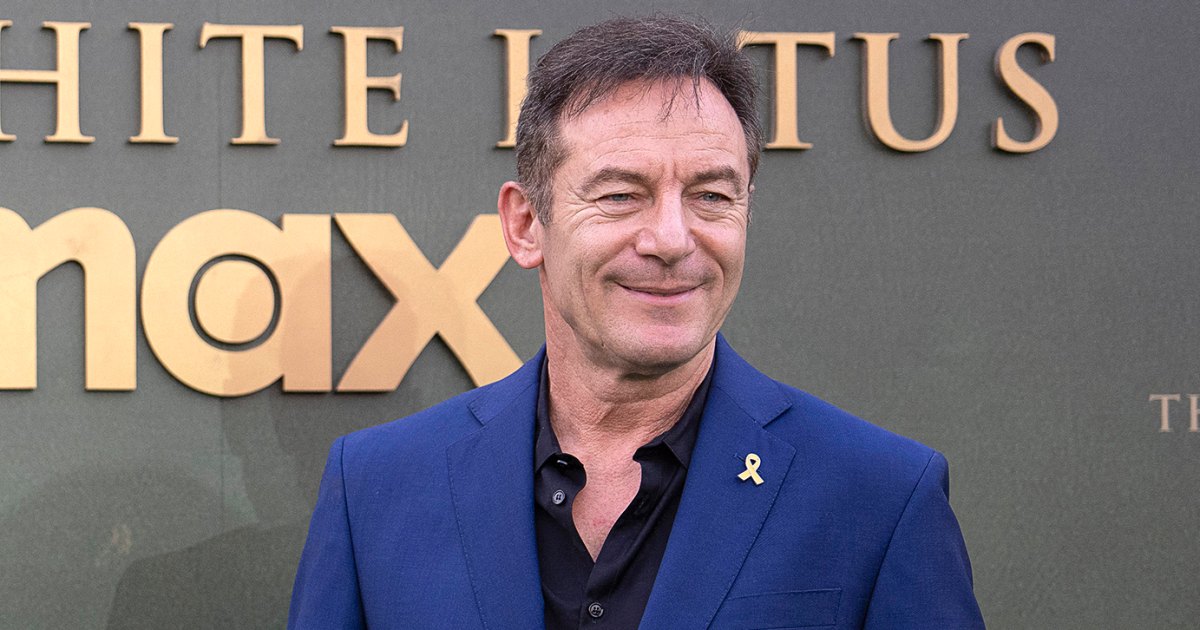
Jason Isaacs Unveils the Hypocrisy Behind Full Frontal Scenes in Film
In a recent candid discussion, acclaimed actor Jason Isaacs has taken a bold stance on the double standards surrounding nudity in film. With a career spanning over two decades, Isaacs, best known for his roles in “Harry Potter” and “The OA,” sheds light on the hypocrisy that permeates Hollywood regarding full-frontal scenes. His insights challenge industry norms and advocate for a more equitable portrayal of actors, regardless of gender.
The Double Standards of Nudity in Film
Isaacs points out that while nudity has long been a staple in film, the treatment of male and female actors in these scenes often differs significantly. In many productions, women are frequently expected to appear nude, while male actors are usually shielded from similar expectations. This disparity not only highlights a fundamental hypocrisy but also reinforces outdated gender stereotypes that can diminish the professional integrity of those involved.
“It’s astonishing to me that there are so many scenes where women are naked, and men are not,” Isaacs remarked during his interview. “We have to ask ourselves why that is. Why is it considered acceptable for women to be exposed while men are often allowed to keep their dignity?” His comments resonate with a broader conversation about gender equality in the entertainment industry, reflecting a cultural shift toward more balanced portrayals of both genders.
Breaking Down the Hypocrisy
One of the main arguments Isaacs presents is the notion of artistic expression versus exploitation. In many cases, nudity in film is justified as a means of conveying character vulnerability or emotional depth. However, when this same narrative device is not applied equally to both genders, it becomes evident that a double standard exists.
- Artistic Integrity: Nudity should serve a purpose in storytelling. If it adds depth to a character, it can be defended as an artistic choice. Yet, when it’s merely for titillation, it raises questions about the motives behind such decisions.
- Gender Disparity: The expectation that women must often bare all while men are permitted to remain clothed is indicative of a larger issue within the industry. This disparity suggests that women’s bodies are often objectified in ways that men’s are not.
Isaacs believes that the industry must hold itself accountable for these discrepancies. He advocates for a balanced approach, where both male and female actors are treated with the same level of respect and given equal opportunities in narratives involving nudity.
Changing the Narrative
The dialogue surrounding nudity in film is gradually evolving, thanks in part to actors like Isaacs who are willing to speak out. More filmmakers are beginning to recognize the need for equality on set, and initiatives for greater representation and fairness are being instituted. For instance, some productions are now requiring that both male and female actors are given the option to opt-in for nude scenes, ensuring that no one feels coerced into participation.
Furthermore, the rise of intimacy coordinators—professionals who help choreograph intimate scenes—has been a game-changer. These coordinators advocate for the performers’ comfort and agency during nude scenes, ensuring that both actors feel safe and respected. This shift not only promotes a more equitable environment but also enhances the authenticity of the scenes themselves.
Empowering Actors
For Isaacs and many of his peers, the goal is to empower actors by providing them with a voice and choice in how their bodies are portrayed on screen. This empowerment is not just about nudity; it encompasses a broader spectrum of representation in cinema. By advocating for equal treatment, actors can reclaim their narratives and redefine how gender roles are portrayed in film.
- Choice and Consent: Empowering actors means giving them control over their bodies and how they are depicted. Consent must be a cornerstone of any intimate scene.
- Increased Representation: More stories told from diverse perspectives can help dismantle stereotypes and lead to a richer cinematic landscape.
The Future of Film and Nudity
As the conversation around hypocrisy in full-frontal scenes continues, the future of film looks promising. The entertainment industry is increasingly becoming aware of its responsibilities to portray all actors fairly, which can lead to more nuanced and respectful representations of nudity.
Isaacs’ advocacy for change can be seen as a pivotal moment in this evolving landscape. By bringing attention to the imbalances and calling for accountability, he not only champions the cause of his fellow actors but also paves the way for future generations in the industry.
Conclusion
In conclusion, Jason Isaacs’ revelations about the hypocrisy behind full-frontal scenes in film challenge us to rethink our perceptions of nudity in cinema. By advocating for equal treatment of male and female actors, Isaacs is not just addressing a personal concern; he is igniting a vital conversation about gender equality within the film industry. The aim is clear: to foster an environment where every actor, regardless of gender, can feel empowered and respected in their craft.
As this dialogue continues to unfold, it is crucial for audiences, creators, and industry leaders to engage with these ideas actively. The path toward a more equitable portrayal of actors in film is long, but with voices like Jason Isaacs leading the charge, change is not just possible—it’s inevitable.
See more CNET Live