
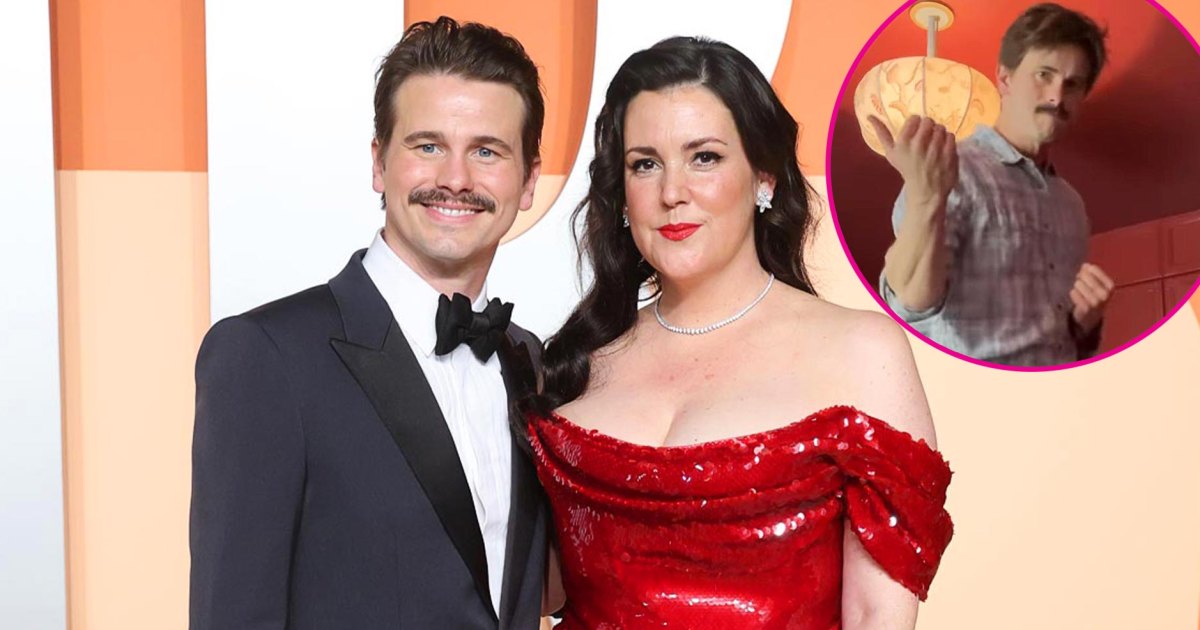
Jason Ritter Stands Up for Wife Melanie Lynskey Against ‘Yellowjackets’ Fans
In a world where social media reigns supreme and public figures often find themselves at the mercy of online discourse, Jason Ritter’s recent defense of his wife, Melanie Lynskey, highlights the complexities of navigating fan culture. Lynskey, a talented actress known for her work on the critically acclaimed series Yellowjackets, has faced some backlash from fans lately. Ritter’s response not only signals his unwavering support for his wife but also opens up a broader conversation about the impact of fandom on personal relationships and the mental health of public figures.
Understanding the Backlash
Fans of Yellowjackets are passionate, and their investment in the series is evident. While enthusiasm is typically a positive aspect of fandom, it can lead to negative consequences when fans express their opinions harshly. In Lynskey’s case, some viewers have criticized her character and her portrayal, which stirred up a wave of online conversations, some of which veered into personal attacks.
It’s essential to remember that actors often pour their hearts and souls into their roles. They embody characters that may face intense scrutiny, which can be challenging to handle, especially when the feedback crosses the line into hurtful commentary. Lynskey, who has been vocal about the struggles she has faced in her career, including body image issues and the fight for representation, found herself in a tough spot as the backlash mounted.
Jason Ritter’s Supportive Response
Jason Ritter, known for his roles in shows like Parenthood and Kevin (Probably) Saves the World, took to social media to defend his wife. He expressed his admiration for Lynskey’s talent and resilience, stating that she is an exceptional artist who deserves respect. His public show of support is a reminder of the importance of standing by loved ones, especially in challenging times.
Ritter’s comments served not only as a defense of Lynskey but also as a call for fans to be more considerate in their critiques. He emphasized that while it’s natural for viewers to have opinions about characters and storylines, it’s vital to remember that the people behind those characters are human beings with feelings and vulnerabilities.
The Role of Social Media in Fandom
Social media platforms have revolutionized the way fans interact with their favorite shows and actors. On one hand, they provide a space for fans to connect, share their passion, and discuss plot developments. On the other hand, these platforms can become breeding grounds for negativity, where criticism can escalate quickly and become personal.
- Accessibility: Social media allows fans to directly reach out to actors, which can lead to both positive interactions and harmful exchanges.
- Anonymity: The anonymity afforded by the internet can embolden individuals to express hurtful opinions without fear of repercussion.
- Echo Chambers: Online communities can create echo chambers where negative sentiments are amplified, making it difficult for constructive dialogue to occur.
The Impact on Personal Relationships
For public figures like Jason Ritter and Melanie Lynskey, the impact of online discourse can extend beyond professional challenges and seep into personal life. Having a partner subjected to public scrutiny can create additional stress and worry. Ritter’s defense of Lynskey not only showcases his love and loyalty but also emphasizes the importance of mutual support in relationships, especially when faced with external pressures.
Research has shown that public figures often experience heightened levels of stress and anxiety due to their visibility. This can be exacerbated when their loved ones are also in the public eye. Therefore, having a partner who stands up for you during tough times is invaluable, and Ritter’s actions serve as a reminder of the strength found in unity.
Moving Forward: A Call for Empathy
In light of the recent events surrounding Melanie Lynskey and Yellowjackets, it’s crucial for fans to reflect on the way they communicate their opinions. While engaging in discussions about characters and storylines is part of the fun of fandom, it’s important to approach these conversations with empathy and respect.
Actors are not just embodiments of the characters they play; they are individuals with their own experiences, struggles, and stories to tell. By fostering a culture of kindness and understanding, fans can contribute positively to the community while still expressing their viewpoints.
Conclusion
Jason Ritter’s defense of Melanie Lynskey against the backlash from Yellowjackets fans is a poignant reminder of the complexities faced by public figures in the age of social media. It highlights the importance of support in personal relationships and the need for fans to engage thoughtfully with the content they consume. As the landscape of fandom continues to evolve, so too should our approach to discussions surrounding it—prioritizing compassion, respect, and understanding above all else.
Through this incident, we are reminded that behind every character is a real person whose life can be affected by our words. So let’s strive to build a community where we can celebrate talent and creativity without tearing down the individuals who bring our favorite stories to life.
See more CNET Live