
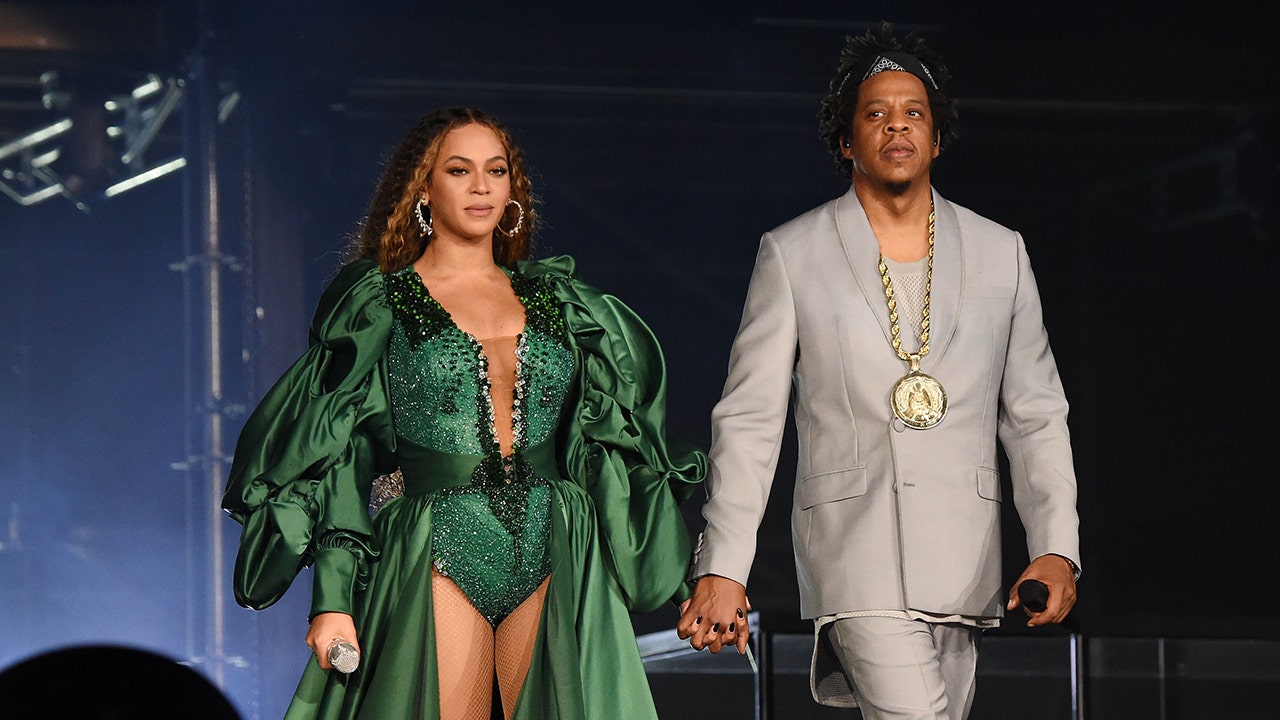
Jay-Z Breaks Silence: A Bold Retort to His Accuser
In a rare move that has captured the attention of fans and critics alike, hip-hop mogul Jay-Z has publicly addressed allegations brought against him, breaking his usual silence on controversies. This unexpected confrontation not only reveals a new dimension of the artist but also ignites a broader discussion about celebrity accountability and the evolving landscape of public perception in an age dominated by social media.
A Shifting Paradigm in Celebrity Responses
Historically, celebrities have often opted for silence or vague statements when facing accusations. However, Jay-Z’s recent decision to confront his accuser directly marks a significant shift in this paradigm. In the past, figures like Michael Jackson and R. Kelly have chosen to deny allegations without engaging in detailed public discourse, often leading to prolonged media speculation and mixed public reactions.
Jay-Z’s retort can be seen as a calculated strategy to reclaim his narrative and control the conversation surrounding the allegations. By addressing the issue head-on, he not only defends his reputation but also challenges the norms of how celebrities respond to controversies.
The Allegations: A Closer Look
While the specifics of the allegations against Jay-Z have not been widely reported, they appear to be serious enough to warrant a public response. The nature of the allegations, whether they pertain to personal conduct, business dealings, or artistic integrity, is crucial in determining the implications of his response.
In an era where the #MeToo movement and social justice initiatives have paved the way for increased scrutiny of public figures, Jay-Z’s approach may signal a new norm where celebrities are expected to engage with their critics. This engagement can foster a sense of accountability, but it also risks exacerbating conflicts in an already polarized environment.
Public Perception and Celebrity Accountability
The landscape of celebrity culture is shifting rapidly. With social media platforms amplifying every statement and interaction, public figures are under greater scrutiny than ever before. Fans and critics alike are quick to react, often leading to swift public judgment based on limited information. This phenomenon raises critical questions:
- How much accountability should celebrities bear for their actions?
- What role does public perception play in shaping the narrative of an accusation?
- Can engaging with critics lead to a more nuanced understanding of complex issues?
Jay-Z’s willingness to confront his accuser directly may serve as a blueprint for other celebrities navigating similar situations. By addressing the allegations with transparency, he opens the door for dialogue, potentially creating a more informed public discourse.
The Role of Social Media
In today’s digital age, social media plays a critical role in shaping narratives. A single tweet or Instagram post can spark widespread debate and influence public opinion almost instantaneously. Jay-Z’s decision to engage with his accuser publicly could be viewed as a strategic maneuver to leverage his platform effectively, ensuring that his side of the story is heard amidst the cacophony of voices online.
Moreover, social media can serve as both a tool for defense and a double-edged sword. While it allows celebrities to communicate directly with their audience, it also exposes them to the potential for backlash. The immediacy of online reactions can amplify criticism, making it challenging for celebrities to navigate complex issues without facing severe repercussions.
The Broader Implications of Jay-Z’s Response
Jay-Z’s bold retort has broader implications for the entertainment industry and beyond. It reflects a growing trend among public figures who are choosing to engage more actively with their critics rather than retreat into silence. This shift could lead to a more accountable celebrity culture where public figures are expected to address controversies directly, fostering a climate of openness and dialogue.
Additionally, this engagement can provide an opportunity for personal growth and reflection. By facing accusations directly, celebrities may be compelled to evaluate their actions and their impact on others, leading to greater responsibility and ethical considerations in their personal and professional lives.
Challenges Ahead
Despite the potential benefits of direct engagement, challenges remain. The polarized nature of public opinion can make it difficult for celebrities to navigate controversies successfully. Jay-Z’s case is no exception; while some fans may applaud his candor, others may remain skeptical or critical, further complicating the narrative.
Moreover, the risk of misinterpretation looms large. Public figures must be cautious about how their messages are framed and received. A misstep in communication can lead to unintended consequences, exacerbating the situation rather than defusing it.
Conclusion: A New Era of Celebrity Engagement
Jay-Z’s decision to confront his accuser marks a pivotal moment in celebrity culture, signaling a potential shift towards greater accountability and engagement. As public figures increasingly find themselves under scrutiny, the expectation for transparency and direct dialogue may become the norm rather than the exception.
This evolving landscape challenges celebrities to be more thoughtful and strategic in their responses to controversies, fostering a culture that prioritizes understanding and accountability. As fans and critics navigate this new terrain, the implications of Jay-Z’s response will likely reverberate throughout the entertainment industry, shaping the future of celebrity engagement for years to come.
See more CNET Live