
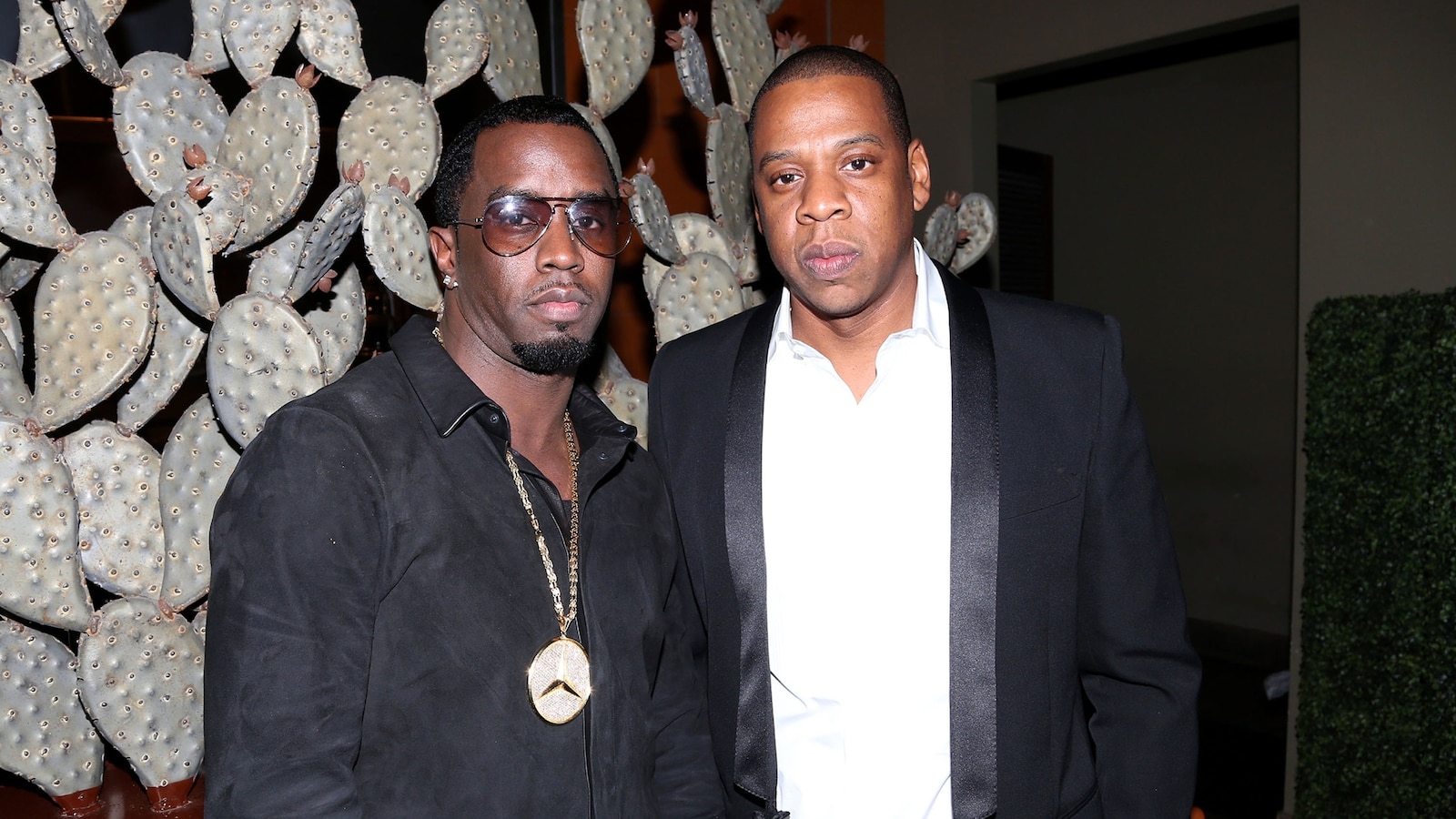
Jay-Z Takes Legal Action: Defamation Lawsuit Filed Against Accuser and Her Legal Team
In a bold move that has captured the attention of media and fans alike, music mogul Jay-Z has initiated a defamation lawsuit against a former accuser and her legal team. This legal battle raises profound questions about the intersection of fame, reputation, and the power of public narrative. As one of the most influential figures in the music industry, Jay-Z’s decision to pursue legal action underscores the importance of protecting one’s name against unfounded allegations.
The Background of the Defamation Lawsuit
Jay-Z, born Shawn Carter, has built a career that spans over two decades, accumulating not just wealth but also a formidable reputation. The recent lawsuit stems from allegations made by a woman who claims to have been wronged by the artist. Details about the accusations have surfaced, swirling in a media frenzy that often leans towards sensationalism.
According to reports, Jay-Z believes that these allegations have led to damaging consequences for his personal and professional life. Thus, he has taken a stand, asserting that the claims are not only false but also malicious in nature. In the legal documents filed, Jay-Z contends that the statements made by his accuser, along with the support of her legal team, have caused significant harm to his reputation and standing in the industry.
The Implications of Defamation Lawsuits
Defamation lawsuits serve as a crucial mechanism for individuals to seek redress when false statements threaten their character. In Jay-Z’s case, the implications are particularly significant given his public persona and the scrutiny he faces as a celebrity. Defamation can take two forms:
- Libel: Written statements that are false and damaging.
- Slander: Spoken statements that are false and damaging.
In this instance, it appears that Jay-Z is pursuing a libel claim, focusing on the written aspects of the allegations made against him. To succeed in his lawsuit, he must prove that the statements were not only false but also made with actual malice or negligence regarding their truthfulness. This burden of proof is particularly high for public figures, which is one reason why many choose not to engage in lengthy legal battles over defamation.
Celebrity and the Court of Public Opinion
One of the most compelling aspects of Jay-Z’s situation is the role of the media and public perception. In today’s digital age, accusations can spread like wildfire, influencing public sentiment before the facts are fully known. The court of public opinion often operates independently of the legal system, which can lead to irreversible damage to a person’s reputation even before the legal process unfolds.
Jay-Z’s case is a stark reminder of how quickly narratives can be shaped by media outlets and social media platforms. The initial reporting of allegations may not always reflect the entirety of the truth, leading to a skewed perception among fans and the general public. In the world of entertainment, where image is everything, these distortions can have lasting effects.
Legal Strategies and Potential Outcomes
As Jay-Z embarks on this legal journey, several strategies might come into play. His legal team will likely focus on gathering evidence to demonstrate that the allegations are baseless and that the accuser acted with malicious intent. Potential outcomes of the lawsuit could include:
- Monetary Damages: If Jay-Z wins, he could receive financial compensation for the harm caused to his reputation.
- Injunctions: The court may issue orders preventing the accuser from making further defamatory statements.
- Public Apology: In some cases, a court may require the accuser to publicly retract their statements.
Each of these outcomes carries its own set of complexities, especially given Jay-Z’s celebrity status. Regardless of the outcome, the case is likely to reignite discussions about the balance between free speech and the protection of individual reputations.
The Broader Cultural Context
Jay-Z’s lawsuit also intersects with broader societal discussions about accountability and the #MeToo movement. While many laud the movement for encouraging victims to speak out, it has also raised questions about false accusations and the repercussions they can have on the accused. This case may serve as an important touchstone for future discussions about how we navigate allegations in the public sphere.
As the lawsuit unfolds, it is essential to remember that the legal process can be lengthy and complex. The public’s attention is likely to remain fixated on Jay-Z, not only due to his fame but also because of the implications this case holds for others in similar positions.
Conclusion: The Fight for Reputation
In conclusion, Jay-Z’s decision to file a defamation lawsuit against his accuser and her legal team is a significant moment not just for the artist but for the larger conversation about fame, reputation, and the narratives we construct around public figures. As this legal battle progresses, it will be crucial for all parties involved to navigate the complexities of the law while remaining aware of the broader implications of their actions.
The outcome of Jay-Z’s case may serve as a precedent for future defamation suits, particularly in the realm of celebrity culture. As we continue to grapple with the intersection of truth, perception, and accountability, this lawsuit underscores the need for a balanced approach to allegations—one that respects the voices of victims while also considering the rights of the accused. In a world where stories often overshadow facts, the quest for truth remains paramount.
See more CNET Live