
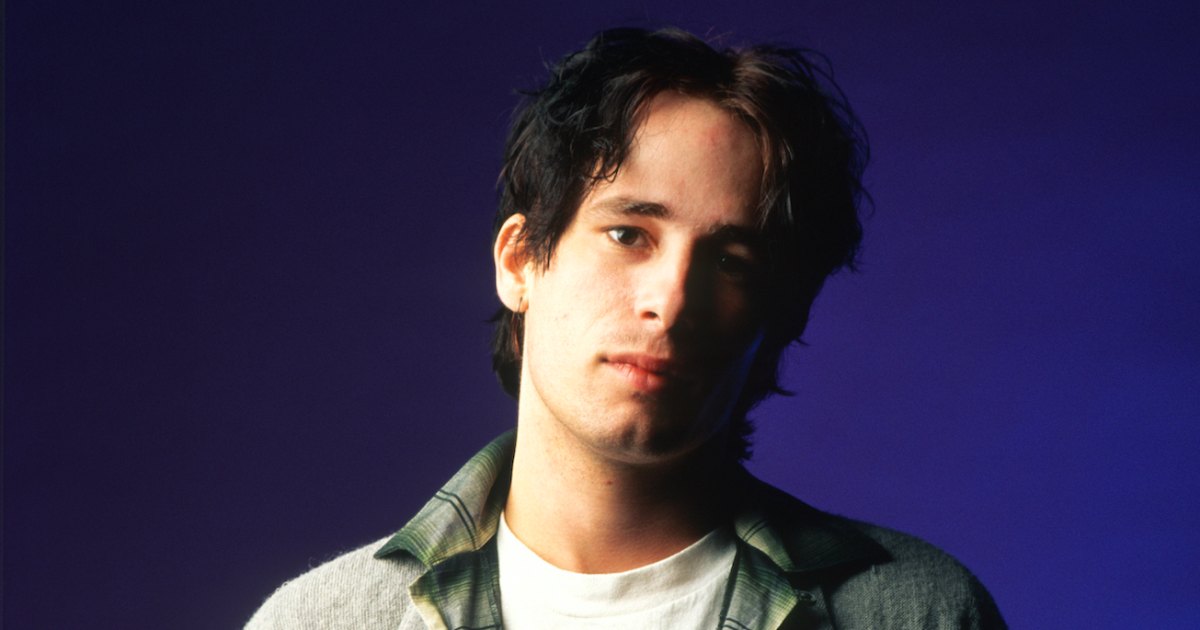
The Untold Story Behind Jeff Buckley’s Legacy and His Mother’s Bold Decision
In the realm of music, few names resonate as profoundly as Jeff Buckley. His haunting voice and emotive songwriting continue to captivate audiences long after his tragic passing in 1997. However, as his legacy endures, a surprising revelation has emerged regarding the preservation of that legacy: Jeff Buckley’s mother made the bold decision to reject a biopic starring Brad Pitt. This choice raises profound questions about the intersection of fame, family, and the often murky waters of Hollywood.
Jeff Buckley: A Brief Overview of His Legacy
Born on November 17, 1966, Jeff Buckley was the son of singer Tim Buckley and Mary Guibert. He grew up in a household enriched with music but faced the struggles of being overshadowed by his father’s legacy. Jeff’s 1994 debut album, “Grace,” showcased his extraordinary vocal range and unique interpretation of songs. Tracks like “Hallelujah” and “Last Goodbye” became emblematic of his artistic depth.
Tragically, Buckley’s life was cut short when he drowned in the Mississippi River at the age of 30. His untimely death left a palpable void in the music world, yet his influence continues to inspire countless artists across genres. Buckley’s music speaks to the complexities of love, loss, and longing, resonating with audiences who find solace in his lyrical prowess.
The Bold Decision: Rejecting Hollywood’s Offer
Recently, news broke that Mary Guibert, Jeff Buckley’s mother, turned down a biopic about her son that was set to star Brad Pitt as the lead. The announcement sent ripples through the entertainment industry and among Buckley’s fans. Many wondered why she would reject such a high-profile project and what it meant for her son’s legacy.
- Preservation of Authenticity: One of the primary reasons for Guibert’s rejection appears to be her desire to maintain the authenticity of Buckley’s story. Hollywood often tends to dramatize real-life events, which can lead to distortions that do not align with the true essence of the individual.
- Personal Connection: As a mother, Guibert possesses a unique understanding of her son’s life and struggles. She may have felt that no actor, no matter how talented, could encapsulate the depth of Jeff’s experiences and emotions.
- Complexity of Fame: Guibert’s decision also highlights the complexities surrounding fame. There’s a fine line between honoring a loved one’s legacy and exploiting it for commercial gain. Her bold choice reflects a protective instinct, prioritizing her son’s dignity over financial incentives.
Understanding the Impact of Family on Legacy
Family dynamics play a crucial role in how legacies are preserved and portrayed. In the case of Jeff Buckley, his relationship with his mother was deeply intertwined with his artistic identity. Guibert has been vocal about preserving his memory and ensuring that the world understands the real Jeff Buckley, beyond the mythologized version that fame can create.
Moreover, the decision to reject the biopic underscores the broader theme of how families navigate the complexities of fame. When a loved one achieves celebrity status, the family often grapples with how to uphold their memory while dealing with the invasive nature of public interest.
The Role of Artists’ Families in Shaping Their Legacy
Throughout history, families of artists have often been tasked with the responsibility of shaping and protecting legacies. In some cases, they embrace Hollywood’s interpretations; in others, they reject them outright. Here are a few notable examples:
- Janis Joplin: After her death, Joplin’s family allowed various biographical portrayals, but they remained involved in the process to ensure her story was told authentically.
- Kurt Cobain: Cobain’s family has been more guarded, often resisting adaptations that they feel do not accurately portray his life and struggles.
- Freddie Mercury: The family of the Queen frontman played a significant role in the production of “Bohemian Rhapsody,” which was met with mixed reviews regarding its historical accuracy.
The Cultural Significance of Jeff Buckley’s Music
Jeff Buckley’s music transcends mere entertainment; it is a cultural artifact that speaks to the human experience. His ability to convey emotion through his voice and lyrics has left an indelible mark on the music industry. Songs like “Hallelujah” have been covered by countless artists, each bringing their interpretation but never quite capturing the raw essence that Buckley did.
His music invites listeners into a space of vulnerability and introspection, making it timeless. As generations pass, Buckley’s songs continue to resonate, often finding new audiences who connect with his themes of love, loss, and existential reflection.
The Future of Jeff Buckley’s Legacy
Despite the rejection of the biopic, Jeff Buckley’s legacy is in no danger of fading. His music remains widely celebrated, and tributes continue to emerge in various forms. From tribute concerts to cover albums, artists honor his impact, ensuring that his art lives on.
Additionally, the decision made by Mary Guibert serves as a reminder that legacy is not just about the story told on screen but also about the memories held by family and fans alike. As Buckley’s mother champions her son’s true narrative, she invites the world to appreciate his artistry on his own terms.
Conclusion: A Legacy Worth Protecting
In an age where biopics often serve more as commercial ventures than authentic storytelling, Mary Guibert’s rejection of the Jeff Buckley biopic epitomizes a mother’s fierce love and determination to protect her son’s legacy. The complexities of fame, family, and artistry create a delicate balance that requires careful navigation.
As we continue to celebrate Jeff Buckley’s contributions to music, we must also respect the wishes of those who knew him best. His legacy, enriched by the memories of his family and fans, will endure—not through the lens of Hollywood, but through the heartfelt connections forged by his timeless music.
See more CNET Live