
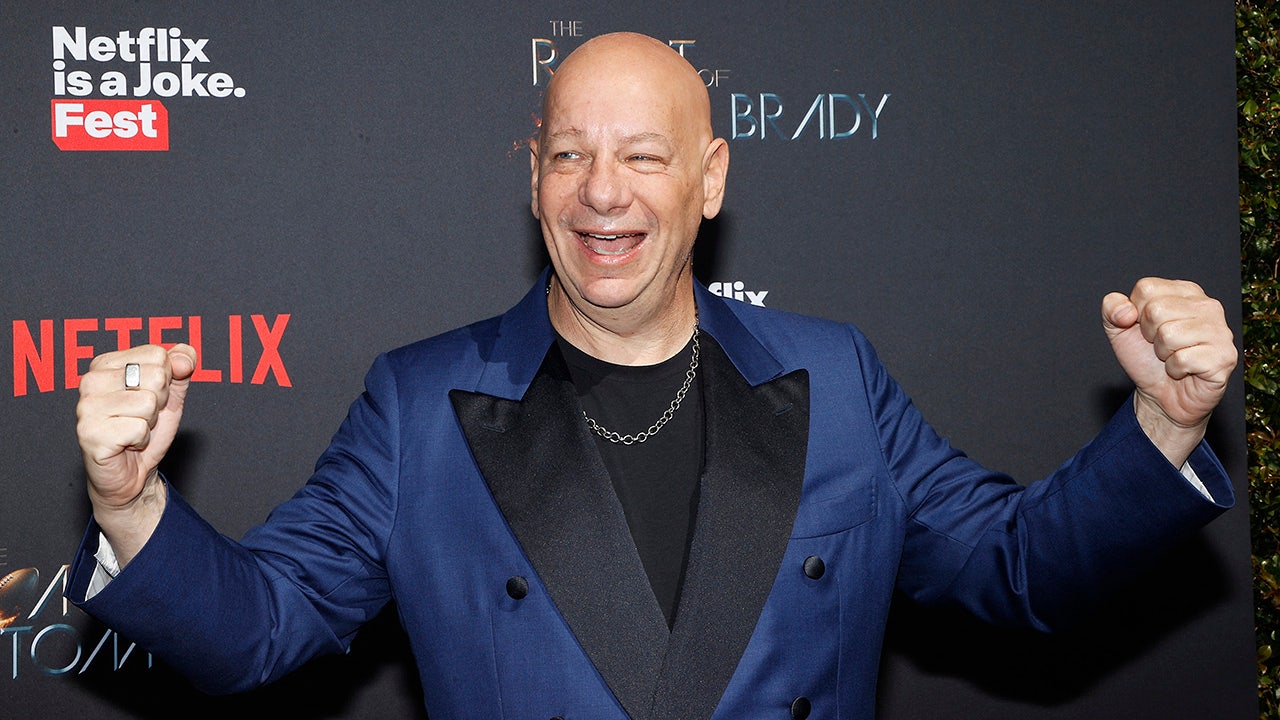
Jeff Ross Takes Aim at Cancel Culture: Is Comedy Losing Its Edge?
In recent years, the landscape of comedy has been dramatically reshaped by the rise of cancel culture. Comedian Jeff Ross, known for his sharp wit and fearless roasts, has become a vocal critic of this phenomenon. He argues that cancel culture poses a significant threat to the very essence of comedy, suggesting that it stifles creativity and undermines the role of humor as a form of social commentary. As audiences increasingly crave unfiltered humor, many are left wondering: is comedy losing its edge?
Understanding Cancel Culture
Cancel culture refers to the practice of publicly calling out individuals or entities for behavior deemed unacceptable, often leading to social ostracism or professional consequences. While many argue that this accountability is essential for social justice, critics like Ross contend that it can also create a climate of fear among comedians and other artists. In a world where every joke is scrutinized through a critical lens, the fear of backlash can lead to self-censorship and a dilution of comedic expression.
Jeff Ross’s Perspective
Ross has long been a proponent of edgy humor, famously participating in celebrity roasts that push the boundaries of taste. In a recent interview, he shared his concerns regarding cancel culture, stating, “Comedy is supposed to push boundaries; it’s supposed to make us uncomfortable. If we start censoring ourselves, what’s left?” His impassioned plea for comedic freedom resonates with many who believe that laughter should not come with a disclaimer.
Ross’s argument hinges on the idea that comedy serves as a valuable tool for societal reflection. By addressing taboo topics and challenging the status quo, comedians can provoke thoughtful dialogue and help audiences process complex issues. However, with the advent of cancel culture, comedians often find themselves walking a tightrope, balancing their desire to entertain with the risk of offending someone.
The Audience’s Role in Comedy
Another crucial aspect of Ross’s argument is the evolving role of the audience in the world of comedy. Traditionally, comedy has thrived on the relationship between the performer and the audience, where laughter is a shared experience. However, the rise of social media has changed this dynamic, allowing audiences to voice their opinions instantaneously, often in a harsh and unforgiving manner.
- Audience Expectations: Today, many audience members come to shows with preconceived notions about what is acceptable. This can lead to a hostile environment for comedians who wish to explore provocative themes.
- Feedback Loop: Social media creates a feedback loop where negative reactions can spread rapidly, leading to a chilling effect on performers.
- Censorship by Outrage: The fear of backlash can result in comedians self-censoring, choosing safer material to avoid potential fallout.
Ross believes that audiences are craving authenticity and unfiltered humor. He suggests that there is a segment of the population that feels stifled by the current climate and is eager for comedians to take risks and challenge societal norms. “People want to laugh, and they want to laugh at the things that make them uncomfortable,” he explains. This sentiment echoes across various platforms, as audiences increasingly seek out comedians who are willing to tackle controversial topics head-on.
The Importance of Context
One of the critical aspects of comedy that Ross emphasizes is the importance of context. Comedians often use satire to comment on societal issues, but when jokes are taken out of context, they can easily be misinterpreted. Ross argues that understanding the intent behind a joke is crucial. “It’s not just about the punchline; it’s about the message,” he states. By stripping away context, the essence of the joke is lost, and the potential for meaningful dialogue is diminished.
Moreover, Ross highlights that comedy has always served as a mirror to society, reflecting its flaws and absurdities. Throughout history, comedians have pushed boundaries to challenge norms, whether it be through racial commentary, political satire, or discussions of sensitive topics. The fear of being “canceled” can inhibit this vital function of comedy, leading to a less vibrant and dynamic art form.
Finding a Balance
While Ross is a strong advocate for comedic freedom, he also acknowledges the need for sensitivity and awareness in the modern comedic landscape. He recognizes that certain topics can be hurtful or triggering for individuals, and that comedians must navigate these waters with care. “It’s about balance,” he asserts. “We can be edgy without being cruel.”
To strike this balance, Ross encourages comedians to engage with their audiences, fostering a dialogue rather than a monologue. By understanding their audience’s perspectives and being willing to adapt, comedians can create an environment where humor can thrive without alienating or harming individuals.
The Future of Comedy
The question remains: what does the future hold for comedy in the age of cancel culture? While some predict a bleak outlook for comedians, Ross remains optimistic. He believes that as audiences continue to seek out authentic and relatable humor, there will always be a place for those willing to challenge conventions. The appetite for unfiltered comedy is not going away; rather, it’s evolving.
As comedians like Ross take a stand against cancel culture, it’s essential for audiences to reflect on their role in this dynamic. Supporting comedians who push boundaries and engage in thoughtful dialogue can help ensure that comedy retains its edge. By fostering a culture that embraces risk-taking and authenticity, we can protect the vital role that comedy plays in society.
Conclusion
In conclusion, Jeff Ross’s stance against cancel culture highlights a significant issue facing the comedy world today. As audiences grapple with their expectations and comedians navigate the complexities of humor, the future of comedy hangs in the balance. Ultimately, it is the responsibility of both performers and audiences to create an environment where laughter can flourish—one that honors the spirit of comedy while recognizing the nuanced realities of our times.
As we move forward, let us champion the comedians who dare to challenge us, provoke thought, and, most importantly, make us laugh. In doing so, we not only preserve the art of comedy but also celebrate its potential to unite us in our shared humanity.
See more CNET Live