
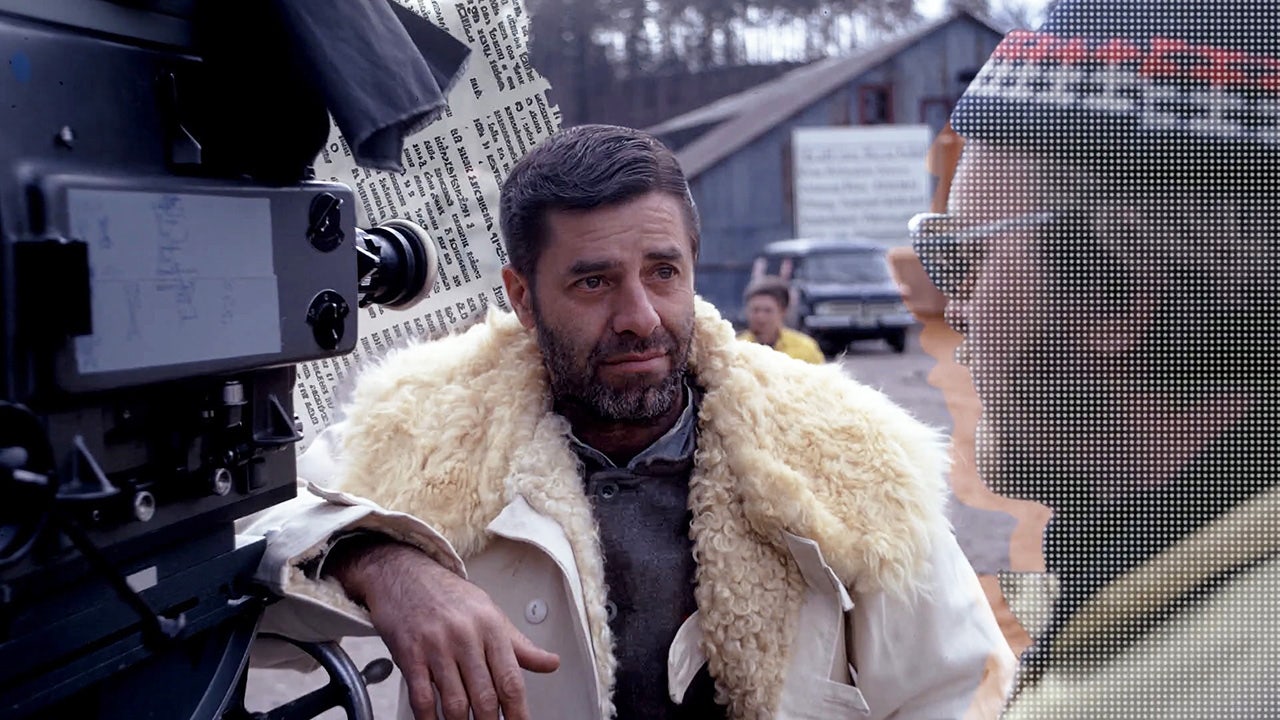
Uncovering the Lost Legacy: Jerry Lewis’ Son’s 30-Year Journey to Rediscover His Father’s Holocaust Film
The journey to uncover a lost legacy can often be fraught with challenges, yet it can also be a deeply rewarding endeavor. In the case of Jerry Lewis’ son, the quest to rediscover his father’s long-lost Holocaust film has unfolded over three decades, revealing not only a personal connection to his father’s memory but also shedding light on a significant, albeit obscure, piece of cinematic history. This article delves into the details of this extraordinary journey, exploring the film’s context, its cultural implications, and the profound impact it holds today.
The Genesis of the Film
Jerry Lewis, renowned as a comedian, actor, and filmmaker, was not just a figure of laughter; he was also a visionary who sought to address serious societal issues through his art. In the late 1970s, Lewis embarked on a project that aimed to highlight the horrors of the Holocaust in a manner that was both poignant and educational. This film, tentatively titled “The Day the Clown Cried,” was intended to present the story of a clown imprisoned in a concentration camp who ultimately finds a way to bring joy to the children around him, despite the grim circumstances.
However, the film was never released, largely due to concerns about its sensitive subject matter and the potential for misinterpretation. Lewis himself described the film as a “dark comedy,” a term that, while intriguing, raised eyebrows among audiences and critics alike. The film became shrouded in mystery, with only a few snippets and behind-the-scenes footage surfacing over the years, leaving fans and historians alike to wonder about its fate.
A Personal Mission
For Lewis’ son, Gary Lewis, the quest to recover this film has been more than just a professional endeavor; it has been a deeply personal mission. Growing up in the shadow of a famous father, Gary felt a compelling need to understand not only his father’s artistic ambitions but also the legacy he left behind. The journey began in earnest when Gary realized that the film held significant weight—not just as a piece of his father’s work, but as a historical artifact that could contribute to the ongoing discourse about the Holocaust.
Over the years, Gary faced numerous hurdles in his quest. From navigating the complexities of film rights and ownership to tracking down lost materials, his determination never waned. He sought out interviews with those who had worked on the film, piecing together stories and insights that would help him unravel the film’s mysteries. Each lead brought him closer to understanding the narrative and the artistic intentions behind it.
The Cultural Significance of the Film
As Gary delved deeper into his father’s work, he began to appreciate the cultural significance of “The Day the Clown Cried.” The film’s unique approach—combining humor with tragedy—reflects a broader artistic conversation about how society processes grief and trauma. Jerry Lewis’ intent was to use comedy as a vehicle for healing, an idea that resonates strongly today in discussions surrounding art and its ability to address difficult subjects.
Moreover, the film serves as a reminder of the importance of Holocaust education. In an era where the memory of such atrocities can fade, cinematic representations play a crucial role in keeping the dialogue alive. By rediscovering and potentially releasing this film, Gary hopes to contribute to a greater understanding of the Holocaust, ensuring that future generations grasp the depth of its impact.
Challenges in the Quest
The road to rediscovery has not been without its obstacles. One of the most significant challenges has been the film’s elusive nature. Despite Jerry Lewis’ prominence in Hollywood, many of the details surrounding “The Day the Clown Cried” remained obscured, buried under layers of industry politics and personal sentiment.
- Legal Complications: The film’s rights were entangled in legal disputes, complicating efforts to locate and restore the original footage.
- Historical Context: As time passed, many individuals connected to the project either retired or passed away, making firsthand accounts increasingly scarce.
- Public Perception: The controversial nature of the film led to skepticism from potential investors and collaborators.
Despite these challenges, Gary remained undeterred. His commitment to honoring his father’s legacy and educating audiences about the Holocaust has driven him forward, inspiring others to join his mission.
The Road Ahead
As Gary continues his quest to recover and potentially release “The Day the Clown Cried,” he has begun collaborating with historians, filmmakers, and educators who share his vision. Together, they aim to not only restore the film but also engage in discussions surrounding its themes, fostering a broader understanding of the Holocaust and its implications today.
In recent years, there has been a resurgence of interest in Holocaust media, with documentaries, films, and literature exploring various facets of this historical tragedy. By reintroducing his father’s work into this landscape, Gary hopes to contribute a unique perspective—one that combines humor and humanity in the face of unimaginable suffering.
A Call for Support
Gary’s journey is not just a personal endeavor; it is a call to action for artists, historians, and the general public to recognize the importance of preserving and discussing our shared history. He encourages those who have insights or resources related to “The Day the Clown Cried” to come forward, emphasizing that collective efforts can yield powerful results.
Moreover, the story of Jerry Lewis and his son serves as a poignant reminder of the role that art plays in shaping our understanding of the past. Whether through comedy, drama, or documentary, the narratives we create can facilitate healing, reflection, and ultimately, a deeper connection to our shared humanity.
Conclusion
The journey to uncovering the lost legacy of Jerry Lewis’ Holocaust film is a testament to the power of perseverance and passion. As Gary Lewis continues to navigate the complexities of film recovery, he not only seeks to honor his father’s memory but also to engage society in meaningful conversations about one of history’s darkest chapters. In doing so, he reminds us all of the significance of storytelling—both in remembering the past and in shaping the future.
As this remarkable journey unfolds, it invites us to reflect on the enduring impact of art, the importance of preserving history, and the profound connections we share through the narratives that define us. In the end, the rediscovery of “The Day the Clown Cried” might not just revive a lost film; it could illuminate paths toward understanding, empathy, and healing in a world that often needs both.
See more CNET Live