
Unraveling the Mystery: Jesse Plemons on Netflix’s ‘Zero Day’
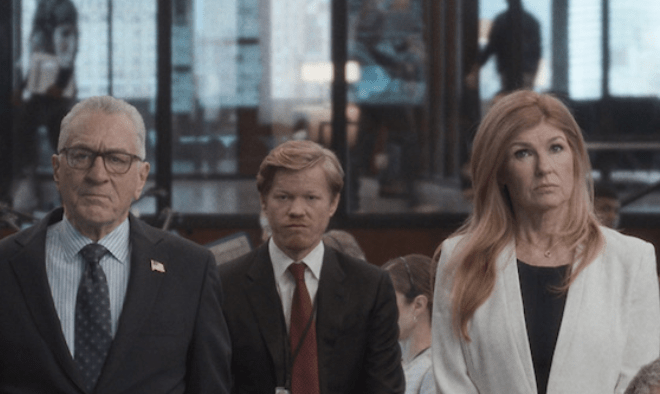
In a world where political narratives are often polarized and divisive, Netflix’s ‘Zero Day’ emerges as a thought-provoking series that navigates the murky waters of modern politics. Starring the talented Jesse Plemons, the show beckons viewers into a narrative laden with ambiguity and uncertainty. In an exclusive interview, Plemons sheds light on the intentional vagueness of the political themes woven throughout the series, revealing how this ambiguity not only shapes the storytelling but also serves as a mirror reflecting the complexities of our current political landscape.
The Central Themes of ‘Zero Day’
‘Zero Day’ is not your average political drama. The series delves into the implications of technology on society, particularly the intersection between surveillance, privacy, and governance. As viewers are thrust into a world where every action can be monitored, the series raises pressing questions about freedom and security. Jesse Plemons, who plays a pivotal role, emphasizes that the show intentionally avoids clear-cut political affiliations or ideologies, opting instead for a more nuanced exploration of these themes.
The Ambiguity of Political Allegiance
One of the most compelling aspects of ‘Zero Day’ is its refusal to align itself with any specific political standpoint. Plemons notes, “We wanted to create a narrative that feels relevant to everyone, regardless of their political beliefs. By not taking a definitive stance, we invite viewers to reflect on their own perspectives.” This approach allows the audience to engage with the material critically, fostering discussions that transcend traditional political boundaries.
Provoking Thought on Modern Politics
With political turmoil rampant in many parts of the world, ‘Zero Day’ serves as a timely commentary on the state of democracy and governance. The intentional vagueness of the political themes invites viewers to consider the broader implications of their own political environments. Plemons explains that this ambiguity is not merely a stylistic choice; it’s a deliberate strategy to provoke thought and discussion among audiences.
The Role of Technology in Shaping Political Narratives
As technology continues to evolve, so too do its implications for politics. In ‘Zero Day,’ technology acts as both a tool and a weapon—enabling communication and connection while also serving as a means of control and surveillance. Plemons reflects on this duality: “We are living in an age where technology shapes our realities. The narrative of ‘Zero Day’ explores how this technology can be used for good or ill, depending on who wields it.” This exploration resonates with viewers who grapple with the complexities of digital privacy and the ethical dilemmas posed by surveillance.
Character Complexity and Development
Jesse Plemons’s character is at the heart of the series, embodying the internal struggles that many face in a politically charged environment. Plemons describes his character as a “reflection of the moral ambiguity that exists in our world today.” The character’s journey throughout the series mirrors the uncertainty felt by many in real life, making him relatable to a wide audience.
- Moral Dilemmas: Plemons’s character often finds himself at a crossroads, forced to make decisions that have far-reaching implications.
- Complex Relationships: The interactions between characters highlight the varying perspectives on politics and technology, further emphasizing the series’ ambiguity.
- Growth and Change: Throughout the series, Plemons’s character evolves, reflecting the often tumultuous journey of self-discovery in an unpredictable world.
Audience Reactions and Interpretations
The reception of ‘Zero Day’ has been as varied as its themes. Viewers have expressed a range of interpretations, with some praising the series for its nuanced portrayal of political issues, while others find the ambiguity frustrating. Plemons acknowledges this dichotomy, stating, “Art is meant to provoke thought and discussion. If we can spark conversations about these topics, then we’ve succeeded.” The series encourages audiences to explore their own beliefs and biases, ultimately fostering a deeper understanding of the political landscape.
Creating a Dialogue
‘Zero Day’ not only entertains but also serves as a catalyst for dialogue surrounding crucial political issues. By presenting a narrative that is open to interpretation, the series challenges viewers to confront their own political ideologies. The absence of clear answers mirrors the complexities of real-world politics, where issues are rarely black and white.
The Future of Political Storytelling
As the landscape of television continues to evolve, ‘Zero Day’ stands out as a testament to the power of storytelling in addressing contemporary issues. Jesse Plemons believes that the future of political storytelling lies in its ability to engage audiences on a personal level. “We need stories that reflect the real struggles people face today,” he states. “By embracing ambiguity, we can create narratives that resonate deeply with viewers, prompting them to think critically about their world.”
Concluding Thoughts
In conclusion, Netflix’s ‘Zero Day’ offers a unique lens through which to examine modern politics and the role of technology in our lives. Jesse Plemons’s insights into the show’s intentional vagueness illuminate how ambiguity can enrich storytelling and provoke meaningful discussions. As viewers navigate the complexities of the series, they are invited to reflect on their own beliefs and engage in dialogues that transcend conventional political divides. In a time when clear answers are hard to come by, ‘Zero Day’ reminds us of the importance of questioning, discussing, and understanding the multifaceted nature of our political reality.
Ultimately, as Plemons aptly puts it, “We need to keep asking questions and challenging our perspectives. That’s where the real growth happens.”
See more CNET Live