
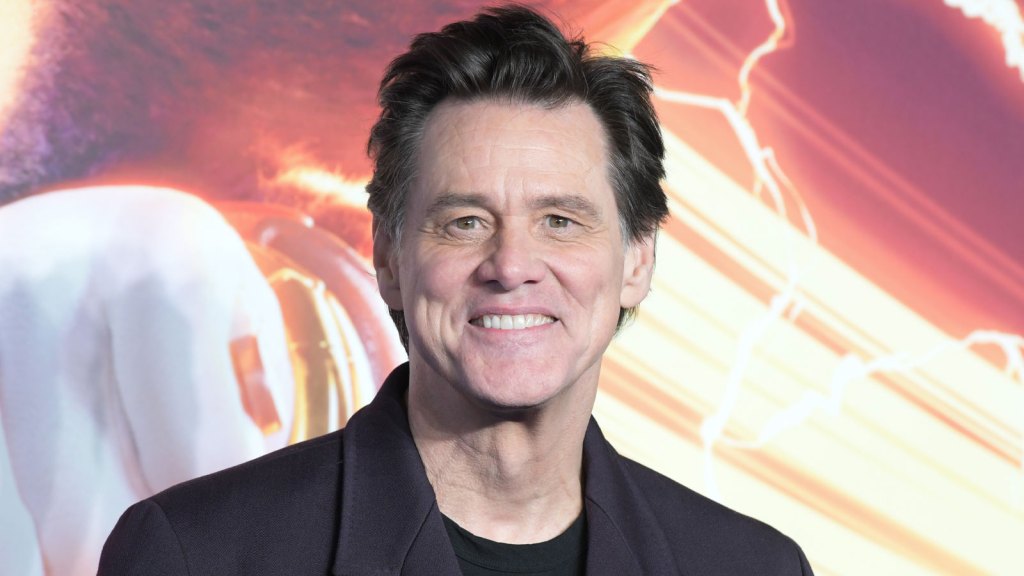
In an age where celebrities often leave their mark on the world through their performances, the decision to retire can be as complex as the careers that preceded it. Jim Carrey, an iconic figure in comedy and film, has recently opened up about his contemplations on stepping away from acting. This introspection not only highlights his personal journey but also reflects broader themes of identity, purpose, and the challenges faced by artists when contemplating retirement.
Reflecting on a Career Defined by Laughter
Jim Carrey, known for his larger-than-life persona, has been a staple of comedic cinema since the early 1990s. With hits like “Ace Ventura: Pet Detective,” “The Mask,” and “Dumb and Dumber,” Carrey has solidified his reputation as a master of physical comedy and improvisation. However, in recent interviews, Carrey has revealed the emotional weight that accompanies the idea of retirement. He expresses uncertainty about leaving behind a career that has not only defined him professionally but has also been a significant part of his identity.
The Emotional Toll of Retirement
Retirement can evoke a myriad of emotions, particularly for those who have spent decades in the public eye. For Carrey, stepping away from a successful career brings forth feelings of loss and anxiety. He articulates the fear of losing a sense of purpose, stating that acting has been more than just a job; it has been a source of joy and a means of connecting with audiences.
Research suggests that the emotional impact of retirement can be profound. According to a study published in the journal “Psychology and Aging,” many retirees experience a decline in life satisfaction and a sense of purposelessness after leaving their careers. Carrey’s reflections align with these findings, showcasing the psychological complexities that accompany such a significant life change.
The Unpredictability of Leaving Acting Behind
One of the central themes in Carrey’s discourse on retirement is the unpredictability associated with this life transition. The entertainment industry is notorious for its volatility, and for someone like Carrey, who has enjoyed substantial success, the idea of leaving this world raises questions about future opportunities and personal fulfillment.
Creative Identity Beyond Acting
As Carrey considers retirement, he also contemplates what life beyond acting might look like. Many artists struggle with the notion of identity beyond their primary craft. Carrey has dabbled in various creative pursuits, including painting and writing, which may provide alternative avenues for self-expression. However, the transition from being a celebrated actor to an artist in other realms can be daunting.
- Reinventing oneself: Carrey’s journey may serve as a reminder that creative professionals can reinvent themselves even after stepping away from their primary careers.
- Artistic exploration: Engaging in new artistic endeavors can offer fulfillment and help bridge the gap left by retirement.
The Broader Implications of Retirement in the Arts
Carrey’s reflections are not just personal; they resonate with a larger discussion about retirement in the arts. Many artists face similar dilemmas when considering the end of their careers. The societal pressure to maintain relevance and continue producing work can be overwhelming.
Challenges for Aging Artists
As artists grow older, they may encounter various challenges:
- Financial insecurity: The uncertain nature of income in the arts can create anxiety about retirement planning.
- Loss of audience: Aging artists may fear losing touch with their audience or finding it challenging to appeal to new generations.
- Health concerns: The physical and mental toll of performing can lead to considerations of health and longevity in the profession.
These challenges underscore the need for support systems that address the unique needs of aging artists, from financial planning to mental health resources.
Finding Closure and New Beginnings
For Carrey, the path to retirement is not solely about leaving acting behind but also about finding closure and embracing new beginnings. While he grapples with uncertainty, he acknowledges the importance of reflection and growth during this transitional phase. Carrey’s candidness about his fears and aspirations may inspire others facing similar crossroads to approach retirement with a sense of possibility rather than apprehension.
Embracing Change
As he reflects on his career, Carrey emphasizes the importance of embracing change. He recognizes that retirement does not have to signify the end, but rather an opportunity for renewal. This perspective aligns with the philosophy of many retirees who have found fulfillment in exploring new passions and interests.
Conclusion: The Unwritten Chapters Ahead
Jim Carrey’s contemplation of retirement opens the door to a broader conversation about the challenges and opportunities that come with stepping away from a career that has defined one’s life. As he navigates this uncertain terrain, his honesty serves as a beacon for others grappling with similar decisions. The journey from acting to retirement may be fraught with challenges, but it also holds the promise of new beginnings and self-discovery.
Ultimately, Carrey’s reflections remind us that life is a series of chapters, and while one may close, another is always waiting to be written. The uncertainty of retirement may be daunting, but it also invites exploration, creativity, and the potential for profound personal growth.
See more CNET Live