
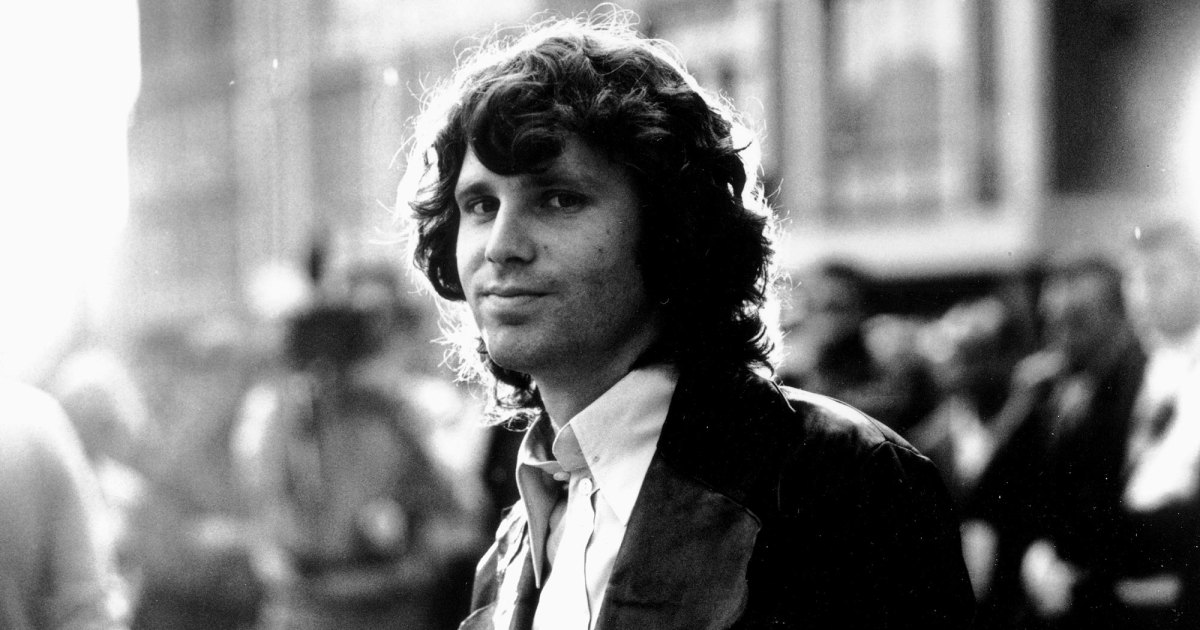
Unveiling the Shadows: Jim Morrison’s Brother Remembers the Icon’s Last Moments
In a world where rock ‘n’ roll icons are often enshrined in myth, Jim Morrison stands as one of the most enigmatic figures. His profound lyrics, magnetic stage presence, and untimely death at the age of 27 solidified his legacy as a cultural icon. Yet, behind the fame and the chaotic lifestyle, there lies a deeply human story, particularly from the perspective of his family. Morrison’s brother, Andrew, offers a rare glimpse into the final days of the legendary Doors frontman, revealing the emotional complexities that framed their relationship amidst the whirlwind of fame.
Growing up in a family that valued creativity and artistic expression, Jim and Andrew shared a unique bond. Their childhood was marked by frequent relocations due to their father’s military career, which fostered a sense of adventure but also a need for stability. Andrew recalls, “We were always on the move, but it brought us closer together. We learned to adapt, and we found solace in each other.” This transient lifestyle influenced Jim’s later artistic pursuits, as he often drew inspiration from his surroundings.
While Jim embraced the counterculture of the 1960s, Andrew took a different path, opting for a more grounded lifestyle. This divergence, however, did not diminish their connection. “I admired Jim’s passion and creativity,” Andrew reflects. “He had a fire in him that was hard to ignore. Yet, I worried about the world he was stepping into.”
The Final Days: A Brother’s Perspective
As Jim’s fame skyrocketed, so did the pressures that accompanied it. The rock ‘n’ roll lifestyle, characterized by excess and unpredictability, began to take a toll on his well-being. Andrew was acutely aware of his brother’s struggles, even from a distance. “I could sense his turmoil, even when we weren’t in the same place,” he shares. “There was a darkness creeping in, and it was hard to watch.”
- Isolation: Despite being surrounded by adoring fans, Jim often felt isolated. The constant scrutiny and expectations weighed heavily on him.
- Substance Abuse: The allure of drugs and alcohol was a significant part of the rock scene, and Jim’s reliance on these substances grew, leading to a tumultuous lifestyle that Andrew worried would end in tragedy.
- Artistic Pressure: The pressure to produce groundbreaking music compounded Jim’s struggles, and he often felt overwhelmed by the expectations placed upon him.
In the weeks leading up to his death on July 3, 1971, Jim retreated to Paris, seeking solace and distance from the chaos of Los Angeles. Andrew recalls, “He wanted to escape, to find himself again. But I feared he was running from something he couldn’t outrun.” The distance proved to be both a blessing and a curse; while it allowed Jim some peace, it also isolated him from the support of family.
The Day of Reckoning
Andrew vividly remembers the day he received the news of Jim’s passing. “It was surreal,” he recounts. “You never expect to lose someone so close, especially not like that.” Jim’s death from heart failure in a Paris bathtub was sudden and shocking. Andrew reflects on the emotional whirlwind that followed: “It was a mix of disbelief, anger, and profound sadness. I felt robbed of the chance to help him.”
The impact of Jim’s death resonated not only within their family but also throughout the music industry and his legion of fans. Andrew acknowledges, “His legacy is complicated. He was a genius, but he was also a troubled soul.” The duality of Jim’s life as an artist and a person has sparked countless discussions about the cost of fame.
Reflecting on Legacy: A Brother’s Love
Years have passed since that fateful day, but Andrew’s memories of Jim remain vivid and poignant. He often reflects on the lessons learned from his brother’s life and untimely death. “Jim taught me that life is fragile and fleeting. We must cherish our moments, both good and bad,” he says. “He was more than just a rock star; he was my brother.”
Andrew believes that understanding Jim’s struggles can offer valuable insights into the complexities of fame. “We often glorify celebrities without acknowledging their humanity,” he emphasizes. “Jim was a product of his time, but he was also a person who suffered like any of us.”
Carrying the Torch: Preserving Jim’s Memory
In recent years, Andrew has dedicated himself to preserving Jim’s legacy while advocating for mental health awareness. He acknowledges the importance of addressing the darker aspects of the music industry. “There’s a romanticized notion of the tortured artist, but it’s essential to have conversations about mental health,” he asserts. “I want Jim’s story to be a reminder that it’s okay to seek help.”
Through interviews, public speaking engagements, and collaborations with mental health organizations, Andrew seeks to honor his brother while making a positive impact. “If I can shed light on the struggles many face, then perhaps Jim’s life will serve a greater purpose,” he reflects. “His music will always live on, but so should the conversations about the issues he faced.”
Conclusion: Embracing Humanity in Iconic Legacies
Jim Morrison’s legacy as a rock icon is undeniable, yet it is the personal stories and experiences shared by those closest to him that truly illuminate the complexities of his life. Andrew Morrison’s reflections provide a rare glimpse into the heart of a family navigating the chaos of fame, loss, and the enduring impact of a beloved brother. As we continue to celebrate Jim’s contributions to music and culture, let us also remember the importance of understanding the human experience behind the icon. In unveiling the shadows of Jim Morrison’s last moments, we find not just a story of tragedy but a testament to resilience, love, and the enduring quest for understanding in an often tumultuous world.
See more CNET Live