
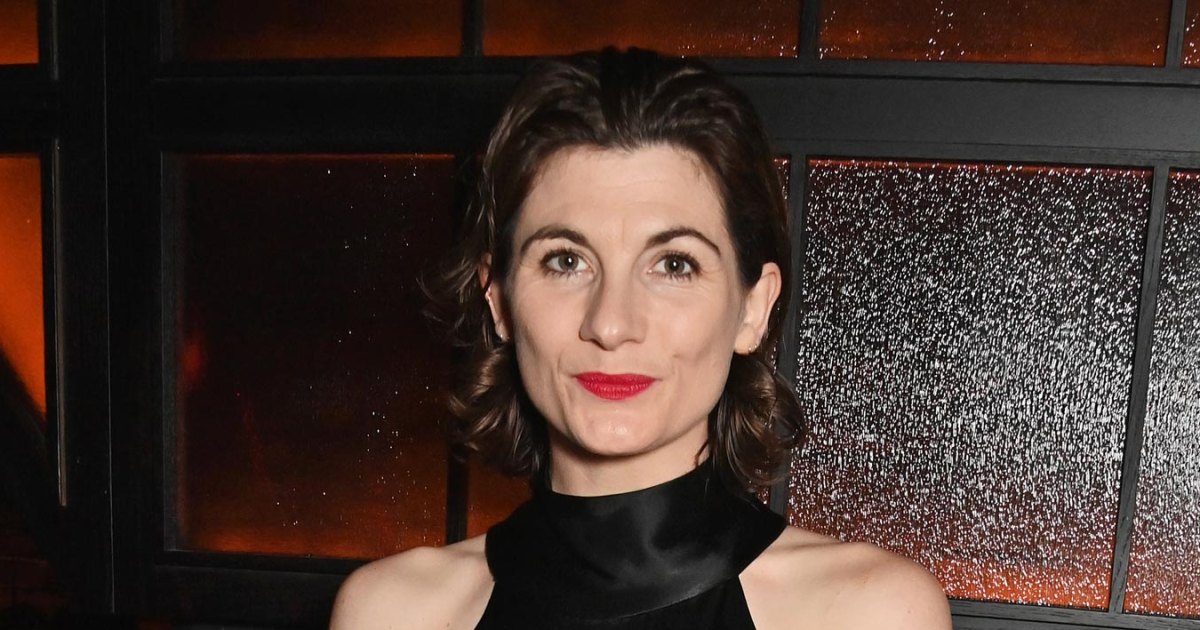
Jodie Whittaker Reflects on Breaking the Mold in Doctor Who’s Legacy
In the expansive universe of television, few shows have captured the imagination quite like Doctor Who. Since its debut in 1963, the series has become a cultural phenomenon, known for its imaginative storytelling and the ability to regenerate its lead character, the Doctor, into new forms. This unique premise allows for the exploration of diverse narratives and characters, but it wasn’t until 2018 that a significant milestone was reached: Jodie Whittaker became the first female Doctor. In a recent interview, Whittaker shared her journey, the challenges she faced, and the triumphs she celebrated while stepping into this iconic role, shedding light on the evolving nature of representation in this beloved franchise.
The Journey Begins
Stepping into the TARDIS is no small feat. For Jodie Whittaker, the journey began long before she donned the Doctor’s signature coat. As she recounted her experiences, it became clear that her path was paved with both excitement and apprehension. Whittaker expressed that taking on such a renowned role came with a weight of expectation. “I knew I was stepping into a legacy that had been built over decades,” she reflected. “But I also saw it as an opportunity to redefine what the Doctor could be.”
Her casting was met with both enthusiasm and skepticism, a reflection of the broader conversations happening in society about gender representation and equality. “I understood that there would be mixed reactions,” she stated. “But I was determined to bring my own interpretation to the character, one that resonated with both old fans and the new generation.”
Breaking the Mold
Jodie Whittaker’s portrayal of the Doctor was not just about playing a character; it was about breaking the mold. In her interview, she discussed the significance of her role as a female Doctor in a traditionally male-dominated space. “I wanted to show that the Doctor is not defined by gender,” she emphasized. “The essence of the Doctor is about compassion, intelligence, and courage. Those qualities can be embodied by anyone.”
Her performance brought a fresh perspective to the series, showcasing a Doctor who was equally fierce and nurturing. By embracing a more emotional and relatable side of the character, Whittaker connected with audiences in a way that was both innovative and authentic. “I think the humanity in the Doctor is what makes the character timeless,” she noted. “It’s about making people feel seen and heard, regardless of their background.”
Challenges Faced
Despite the excitement surrounding her casting, Whittaker faced significant challenges during her tenure. The pressure to succeed was immense, particularly in the wake of her predecessors, who had laid a strong foundation for the character. “There were days when I felt the weight of that history,” she admitted. “But I also reminded myself that I was there for a reason.”
Additionally, Whittaker had to navigate the expectations of a fanbase that was both passionate and protective of the show’s legacy. Some viewers welcomed her with open arms, while others were less enthusiastic about the change. “I had to learn to focus on the positivity and the support from those who were excited about the change,” she shared. “Ultimately, it’s about storytelling and connecting with people.”
The Triumphs
Amidst the challenges, Jodie Whittaker experienced numerous triumphs that reaffirmed her decision to take on the role. One of the most significant moments came when she received overwhelming support from fans and fellow actors alike. “It was heartwarming to see so many people rally around the idea of a female Doctor,” she stated. “It felt like a victory for representation.”
Furthermore, her portrayal opened doors for discussions about gender and representation in media. As Whittaker pointed out, “It’s important for young girls to see themselves reflected in roles they aspire to. The Doctor is a symbol of possibility.”
The Evolving Nature of Representation
Whittaker’s journey as the first female Doctor reflects broader societal shifts regarding representation in media. As conversations about inclusivity and diversity have gained momentum, shows like Doctor Who have had to adapt to stay relevant. “Television is a mirror to society,” Whittaker noted. “As we evolve, our stories need to evolve too.”
Her tenure has not only inspired female viewers but has also encouraged a dialogue about the importance of diverse narratives in storytelling. “It’s about creating stories that resonate with everyone, regardless of gender, race, or background,” she emphasized. “There’s so much richness in our differences, and that should be celebrated.”
Looking Ahead
As Jodie Whittaker reflects on her time as the Doctor, she remains optimistic about the future of the franchise. “I think there’s so much potential for what’s to come,” she stated enthusiastically. “The beauty of Doctor Who is its ability to reinvent itself.”
With new stories and characters on the horizon, Whittaker’s legacy as the first female Doctor will undoubtedly pave the way for future generations of actors and storytellers. “I hope my journey inspires others to take risks and embrace change,” she concluded. “Change can be daunting, but it also leads to incredible growth.”
Conclusion
Jodie Whittaker’s reflections on her groundbreaking role in Doctor Who provide valuable insights into the nature of representation and the importance of diverse storytelling. Her journey demonstrates that breaking the mold is not just about changing who plays a character, but also about redefining what that character represents. As the franchise continues to evolve, Whittaker’s influence will undoubtedly be felt for years to come, inspiring new generations to dream big and embrace their unique identities in every narrative they create.
See more CNET Live