
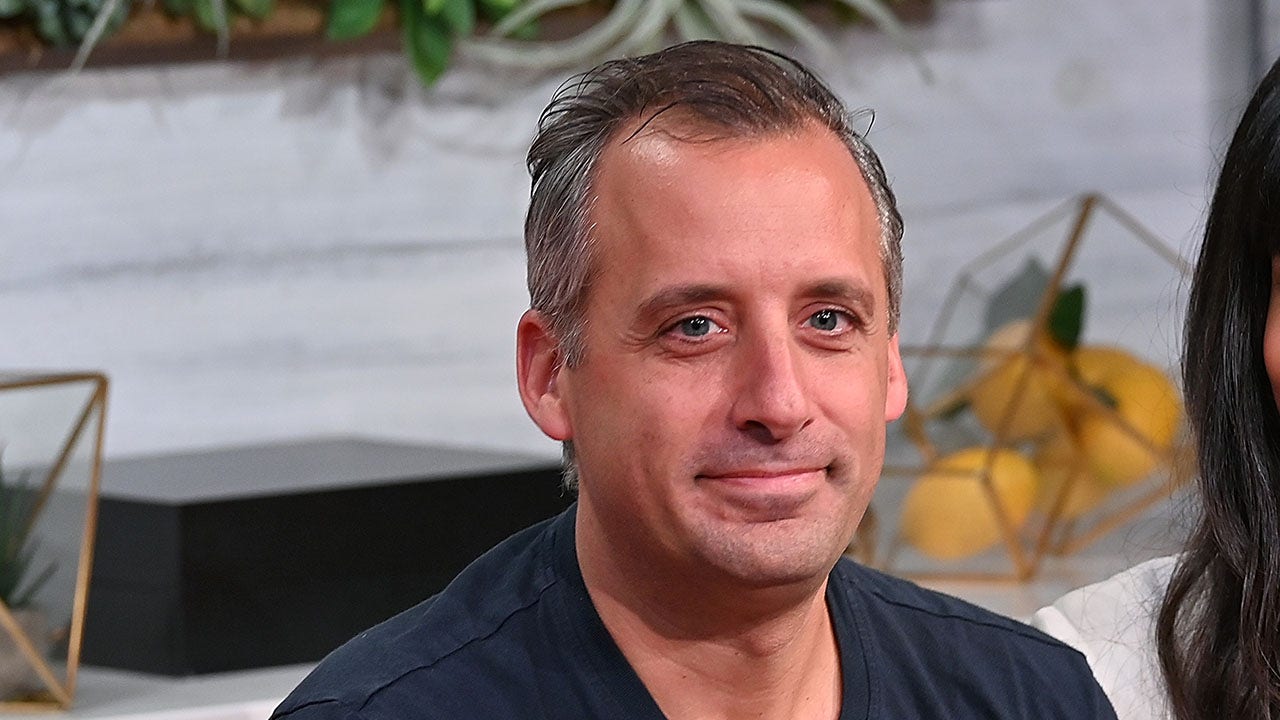
Joe Gatto Addresses Controversy: Acknowledges ‘Poor Judgment’ Amidst Assault Allegation
Joe Gatto, a well-known comedian and one of the stars of the hit television show “Impractical Jokers,” is currently facing a serious sexual assault allegation that has stirred significant public interest and media coverage. The controversy surrounding Gatto has prompted discussions not only about the specifics of the allegations but also about accountability, celebrity culture, and the complexities of personal conduct in the public eye. In a recent statement, Gatto publicly denied the allegations but acknowledged exercising “poor judgment.” This admission has led many to reflect on the implications of his actions and the broader context of celebrity accountability.
The Allegations and Joe Gatto’s Response
The allegations against Joe Gatto surfaced when an anonymous individual accused him of sexual assault during a social event. Details regarding the incident remain murky, as the accuser has not publicly shared much information. Gatto, known for his comedic persona and role in the popular comedy troupe The Tenderloins, has firmly denied the claims, stating that he did not engage in any non-consensual behavior.
Despite denying the allegations, Gatto’s acknowledgment of exercising “poor judgment” has raised eyebrows. Many interpret this comment as an admission of some level of responsibility, even if he does not believe he committed the alleged act. This kind of nuanced statement often leads to public speculation about what exactly constitutes “poor judgment” in the context of fame and celebrity lifestyles.
Understanding Celebrity Accountability
The concept of accountability is a critical issue in today’s society, particularly as it relates to public figures. With the rise of the #MeToo movement and increased awareness around sexual misconduct, celebrities are under more scrutiny than ever before. Audiences expect transparency and accountability from those in the limelight, especially when allegations arise. Gatto’s situation illustrates a significant challenge faced by many celebrities: how to balance personal conduct with public expectations.
- Public Perception: Fans and followers often hold celebrities to higher moral standards. When allegations arise, the public reaction can be swift and unforgiving.
- Consequences: Acknowledging “poor judgment” can lead to professional repercussions, including loss of work opportunities and damage to one’s reputation.
- Support and Backlash: The response from the public can be polarized, with some supporters rallying behind the accused while others demand accountability.
What Does ‘Poor Judgment’ Mean?
When Joe Gatto refers to his “poor judgment,” it opens up a conversation about what that term encompasses. “Poor judgment” can mean different things in different contexts. In the realm of celebrity and public life, it may refer to:
- Making choices that are publicly scrutinized and deemed inappropriate.
- Engaging in behavior that, while not criminal, may be ethically questionable.
- Failing to recognize the potential consequences of one’s actions on others and oneself.
The use of such a term can sometimes serve as a strategy for managing public relations. By admitting to “poor judgment,” Gatto may be attempting to mitigate damage to his reputation while still maintaining his innocence regarding the specific allegations. This approach can be a double-edged sword, as it leaves room for interpretation and further discussion among fans and critics alike.
The Role of the Media in Shaping Narratives
The media plays a crucial role in shaping the narrative around allegations like those faced by Gatto. Reporting on such incidents can influence public perception and the level of support or condemnation a celebrity receives. In Gatto’s case, media coverage has varied, with some outlets focusing on his denial of the allegations while others emphasize his admission of poor judgment.
This highlights the importance of responsible journalism, as sensationalized reporting can lead to misinformation and exacerbate the situation for those involved. Media outlets have a responsibility to present facts accurately and avoid becoming part of the trial by public opinion that often accompanies high-profile allegations.
The Broader Implications
Joe Gatto’s situation extends beyond his personal life and touches on broader societal issues. The conversations surrounding accountability, consent, and celebrity behavior force us to examine how we, as a society, view and treat public figures. Some key points for consideration include:
- Changing Norms: Societal norms regarding acceptable behavior are evolving. What was once overlooked may now be scrutinized, leading to changes in how celebrities engage with fans and each other.
- The Impact of Social Media: In the age of social media, news spreads rapidly, and public opinion can shift overnight. Celebrities must navigate this landscape carefully.
- Support Systems: There is a growing recognition of the need for support systems for individuals facing allegations, both accusers and the accused, to ensure fair treatment and mental well-being.
Moving Forward: A Path to Accountability
As Joe Gatto addresses controversy and acknowledges his “poor judgment,” it serves as a reminder that accountability is essential, regardless of one’s status. The way forward involves not only addressing individual actions but also fostering a culture of respect and understanding within the entertainment industry and beyond.
In conclusion, while Joe Gatto vehemently denies the allegations against him, his acknowledgment of poor judgment reflects a growing awareness of the need for accountability in all aspects of life, especially for those in the public eye. This situation encourages a broader dialogue about the responsibilities of public figures, the role of the media, and the societal changes needed to ensure respectful interactions between individuals. As Gatto navigates this challenging period, the hope is that it leads to greater awareness, understanding, and ultimately, a more responsible and accountable celebrity culture.
See more CNET Live