
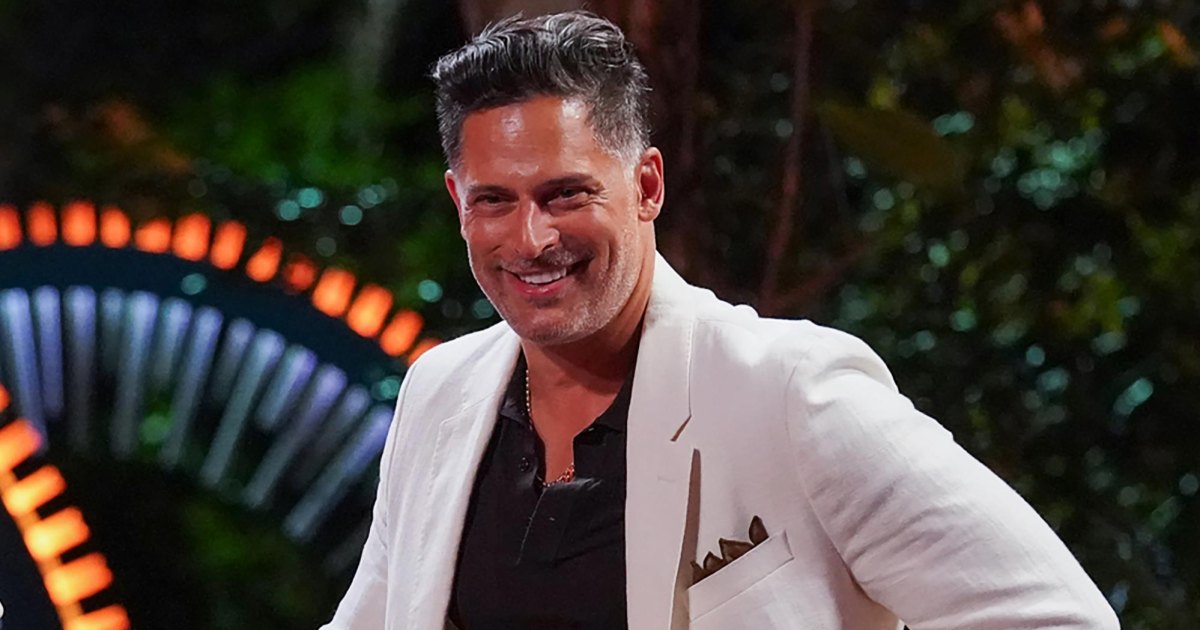
Joe Manganiello Teases Surprising Connection Between Banking and ‘Deal or No Deal’ Universe
In a captivating revelation, actor Joe Manganiello has sparked intrigue by suggesting an unexpected link between the world of banking and the popular game show ‘Deal or No Deal.’ This surprising crossover raises questions about the evolving narratives in entertainment and finance, inviting viewers and industry experts alike to explore the deeper implications behind this connection. As the entertainment landscape continues to evolve, understanding how it intertwines with finance could offer new perspectives on both realms.
The Concept Behind ‘Deal or No Deal’
‘Deal or No Deal’ is a game show that revolves around the suspenseful choice between accepting a cash offer from a banker or continuing to open briefcases that may contain varying amounts of money. Contestants face the psychological dilemma of risk versus reward, a theme that resonates far beyond the confines of television. The show’s format relies heavily on chance and the contestant’s intuition, mirroring the unpredictable nature of financial markets.
At its core, the show highlights the importance of decision-making under pressure, a skill that is paramount in both game theory and financial trading. The contestant’s journey often reflects a broader narrative about the human experience, exploring themes of greed, hope, and the desire for wealth. Manganiello’s comments suggest that these themes not only exist in the realm of entertainment but also have significant parallels in the banking industry.
Joe Manganiello’s Insight
Recently, Manganiello shared his thoughts during an interview where he discussed the psychological aspects of risk management. He pointed out that, much like in ‘Deal or No Deal’, bankers constantly assess risk and make decisions based on incomplete information. This comparison highlights how decisions in both entertainment and finance are influenced by human psychology.
“When you’re standing there with a briefcase in front of you, you’re not just thinking about the money; you’re weighing your options, your fears, and your aspirations,” Manganiello explained. “In banking, the same principles apply. Financial analysts and traders make decisions based on risk assessment, market trends, and, at times, instinct.”
The Psychological Connection
This psychological connection offers a fascinating lens through which to view both industries. Here are some key parallels:
- Risk Assessment: Contestants must evaluate the risks of continuing to play versus accepting a deal, which mirrors how bankers assess the risks of investments.
- Emotional Decision-Making: Just as contestants are influenced by emotions like excitement and fear, so too are financial professionals swayed by market volatility and economic news.
- Game Theory: Both environments rely on strategic thinking and anticipation of others’ moves, whether it be a banker’s offer or a competitor’s investment strategy.
The crossover between banking and entertainment is not merely an abstract concept. Over the years, the financial sector has increasingly recognized the value of storytelling in its marketing and client engagement strategies. Just as ‘Deal or No Deal’ tells a story of ambition and risk, banks are beginning to adopt narrative techniques to connect with customers on a deeper level.
For instance, banks often create campaigns that highlight customer success stories, much like a game show celebrates its winners. This narrative approach helps demystify financial products and services, making them more relatable and understandable for the average consumer.
Implications for the Future
The intersection of banking and entertainment as teased by Manganiello might also indicate a future where these fields collaborate more closely. Financial literacy campaigns could adopt game show formats to engage younger audiences, making learning about finance entertaining and interactive.
Moreover, the rise of fintech—a sector blending technology with financial services—illustrates how the banking landscape is changing. Companies are utilizing gamification strategies to make financial management more accessible and enjoyable for users. This trend echoes the game show format, where participants are engaged through entertaining challenges.
Exploring Financial Literacy through Entertainment
As the connection between banking and ‘Deal or No Deal’ suggests, there’s a ripe opportunity to enhance financial literacy through engaging formats. By using entertaining platforms to teach financial concepts, we might see a new generation of financially savvy individuals. Here are some potential avenues:
- Interactive Workshops: Similar to game shows, workshops could involve scenarios where participants make financial decisions and see the outcomes based on their choices.
- Educational Games: Developing mobile apps that gamify financial education can appeal to younger audiences, allowing them to learn while having fun.
- Collaborative Programming: Television networks and financial institutions could collaborate to create shows that educate viewers about investing, saving, and financial planning in an entertaining way.
The Bottom Line
Joe Manganiello’s intriguing connection between the banking world and the ‘Deal or No Deal’ universe opens up a dialogue about the narratives that shape our understanding of finance and entertainment. This crossover invites us to rethink how we engage with financial concepts, encouraging a more human-centered approach to banking.
As the lines between industries blur, the potential for innovation and collaboration grows. By harnessing the storytelling power of entertainment, the financial sector can not only enhance consumer engagement but also foster a more financially literate society. The implications of this connection are profound, suggesting that the future may hold not only new ways to think about finance but also new ways to experience it—possibly as exciting as a game show.
See more CNET Live