
Controversy Erupts as John Oliver Faces Defamation Suit Over Provocative Health Care Claims
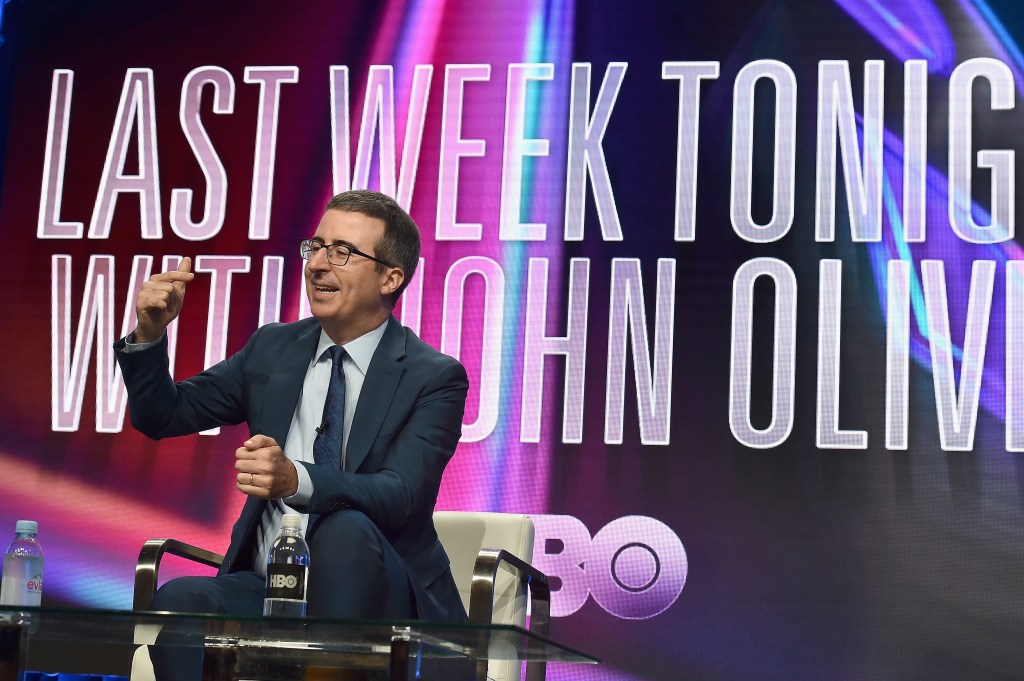
In the fast-paced world of media, few personalities have sparked as much discussion and debate as John Oliver, the British comedian and former correspondent for “The Daily Show.” Known for his incisive humor and sharp commentary on political and social issues, Oliver finds himself at the center of a heated controversy following remarks made on his HBO show, “Last Week Tonight with John Oliver.” The situation escalated when a prominent health care executive filed a defamation lawsuit against Oliver, claiming that his comments were not only misleading but also damaging to his reputation and career.
The Controversial Remarks
During a segment focused on health care in America, John Oliver criticized an unnamed health care executive for their alleged indifference to patient suffering. He accused the executive of prioritizing profits over patient care, a claim that struck a chord with many viewers who are frustrated with the current health care system. Oliver’s distinctive style combines humor with serious critique, allowing him to tackle complex topics in an accessible manner. However, the implications of his statements have led to serious consequences.
The executive in question, who operates within a large health care organization, has publicly denied the allegations. His legal team argues that Oliver’s characterizations are not only false but have also caused significant harm to his professional reputation. The lawsuit has raised critical questions about the bounds of free speech in media and the responsibility that comes with public commentary.
Legal Implications of the Defamation Suit
The defamation suit filed against John Oliver is a complex legal battle that could have significant implications for the media landscape. Defamation law, which varies by jurisdiction, generally requires the plaintiff to prove that the statements made were false, damaging, and made with a certain level of fault—usually either negligence or actual malice.
In this case, the executive’s claim hinges on the assertion that Oliver acted with actual malice by broadcasting what he knew to be false information. To succeed in this lawsuit, the plaintiff must demonstrate that Oliver had a reckless disregard for the truth when making his comments. This presents a high bar, particularly considering the comedic context in which the statements were made.
Free Speech vs. Accountability in Media
The controversy surrounding Oliver’s remarks shines a light on a broader conversation about free speech and accountability in media. On one hand, comedians and commentators often rely on hyperbole and satire to make their points. Oliver’s style, which blends humor with social critique, is designed to provoke thought and discussion. However, this artistic freedom can come with consequences when individuals feel that their reputations are at stake.
Critics of the lawsuit argue that it threatens to stifle free speech and discourage media figures from addressing controversial topics. They contend that holding commentators accountable for their opinions could set a dangerous precedent, leading to self-censorship and a chilling effect on public discourse. Supporters of the executive, on the other hand, argue that there must be accountability for statements that can unjustly ruin careers and reputations.
The Role of Media in Health Care Discourse
As discussions around health care continue to dominate public debate, the role of media figures like John Oliver becomes increasingly vital. Health care is a complex and often contentious issue in the United States, influenced by a myriad of factors including policy, economics, and ethics. Oliver’s platform allows him to shed light on these issues, often bringing attention to injustices that might otherwise go unnoticed.
However, the challenge lies in balancing this advocacy with responsible reporting. Media personalities must navigate the fine line between providing commentary and spreading misinformation. This situation serves as a reminder of the responsibilities media figures have, particularly when addressing sensitive topics such as health care.
Public Reaction to the Controversy
Since the news of the defamation suit broke, reactions from the public have been mixed. Many fans of John Oliver have rallied in his support, arguing that his statements were protected under the First Amendment and were intended to highlight systemic issues within the health care industry. Supporters argue that comedians play a crucial role in society by challenging powerful figures and fostering public engagement.
Conversely, some individuals express concern that Oliver’s comments may have crossed a line, potentially harming the reputation of an executive who plays a significant role in the health care sector. This division reflects broader societal debates about accountability in media and the impact of public figures on individual lives.
Looking Ahead: What This Means for Media and Health Care
The outcome of the defamation suit against John Oliver could have lasting implications for how media figures address controversial subjects. If the court sides with the executive, it may embolden others in similar positions to pursue legal action against media personalities who make critical claims. Conversely, a ruling in favor of Oliver could reinforce the idea that public commentary—especially in a comedic context—should be protected as a form of free speech.
This controversy also highlights the importance of media literacy among the public. As audiences consume news and commentary, understanding the context, intent, and potential biases behind those messages is crucial. Media consumers must develop critical thinking skills to discern fact from opinion and to understand the complexities of issues like health care.
Conclusion: A Call for Responsible Discourse
As the legal battle unfolds, the controversy surrounding John Oliver serves as a crucial reminder of the delicate balance between free speech and accountability. Media figures wield significant power in shaping public opinion, and with that power comes a responsibility to communicate truthfully and thoughtfully. While humor can be a powerful tool for advocacy, it is essential that it does not come at the expense of individuals’ reputations or well-being.
Ultimately, whether one views Oliver’s remarks as protected commentary or damaging defamation, this situation underscores the need for open dialogue, critical engagement, and, most importantly, responsible discourse in our media landscape. As we navigate these complex issues, let us strive for a future where free speech and accountability can coexist, fostering a healthier environment for both media and those they discuss.
See more CNET Live