
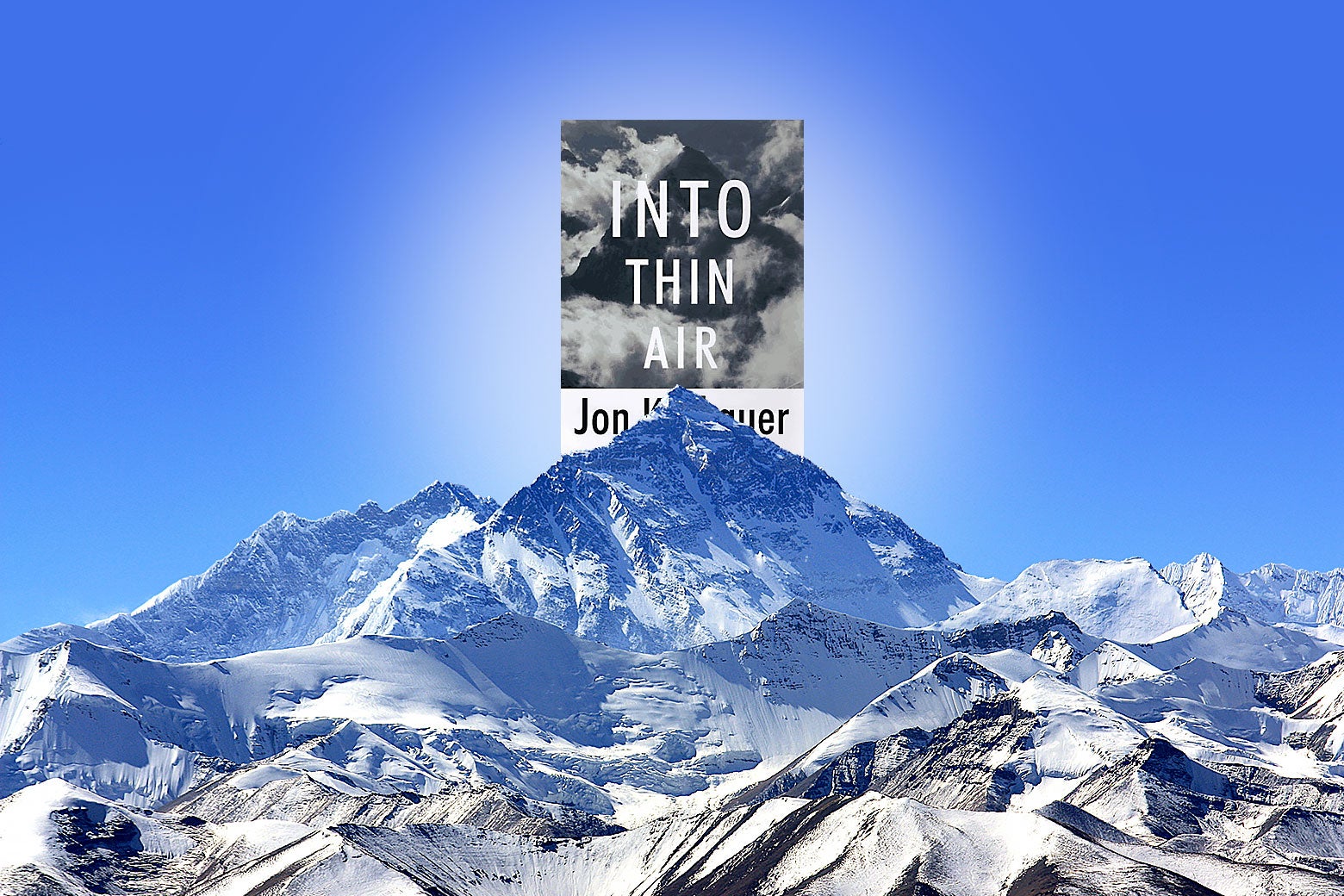
Unraveling the Controversy: Jon Krakauer’s Ongoing Debate Over “Into Thin Air”
Jon Krakauer’s gripping narrative of the 1996 Everest disaster in his book Into Thin Air has not only captivated readers but has also sparked a heated and enduring debate surrounding the ethics of storytelling, the nature of truth, and the responsibilities of journalists and authors. This controversy continues to reverberate through the mountaineering community, inspiring discussions about the implications of personal narrative versus collective experience.
The Context of the 1996 Everest Disaster
To fully grasp the controversy surrounding Krakauer’s work, it is essential to understand the context in which the events unfolded. In May 1996, a severe blizzard struck Mount Everest during a crucial summit period, leading to the deaths of eight climbers. Krakauer, who was part of the ill-fated expedition, chronicled his experiences and the tragic outcomes in his bestselling book, which was published in 1997.
While Krakauer’s account has been praised for its vivid storytelling and intense emotional depth, it has also faced criticism for its portrayal of the events and the people involved. Critics argue that his narrative oversimplifies complex situations and paints certain individuals in an unflattering light. This has led to questions about the ethics of representation and the potential consequences of Krakauer’s storytelling choices.
The Ethical Debate: Truth vs. Narrative
A significant aspect of the ongoing debate over Into Thin Air centers around the distinction between fact and fiction in narrative nonfiction. Krakauer’s portrayal of fellow climbers, particularly Rob Hall, the leader of the Adventure Consultants team, has been a focal point of contention. Some argue that Krakauer’s characterization of Hall as overly ambitious and reckless contributed to a narrative that unfairly vilifies him. Others believe that Krakauer’s perspective sheds light on the dangers of commercial climbing and the ethical dilemmas faced by expedition leaders.
This raises a crucial question: what is the responsibility of an author when recounting real events involving real people? Should the desire for a compelling narrative take precedence over the potential ramifications for those depicted in the story? Critics of Krakauer’s approach suggest that while his storytelling is undeniably engaging, it may gloss over the complexities of human behavior and decision-making in life-and-death situations.
The Perspectives of Other Climbers
The controversy has been compounded by the responses from other climbers who were present during the 1996 disaster. For instance, climber and author David Brashears, who was part of a separate expedition, has publicly challenged Krakauer’s account, arguing that it misrepresents the actions and decisions made by climbers in extraordinary circumstances. Additionally, some of the families of the deceased have voiced frustration over what they perceive as a sensationalist portrayal of their loved ones.
In response to these criticisms, Krakauer has maintained that his intention was to highlight the tragic consequences of a flawed system, rather than deliberately malign individuals. He argues that the book is as much a cautionary tale about the commercialization of high-altitude climbing as it is a personal memoir of his experiences. This perspective invites a broader discussion about the role of personal accountability and the ethical responsibilities of climbers in high-stakes environments.
Media Influence and Public Perception
The role of media in shaping public perception of the tragedy cannot be overstated. Following the publication of Into Thin Air, numerous documentaries, articles, and films have explored the events of 1996, often referencing Krakauer’s narrative. This proliferation of media has contributed to a simplification of the tragedy, painting it as a dramatic tale of heroism and failure, rather than a multifaceted event with numerous contributing factors.
As the debate surrounding Krakauer’s account continues, it raises important questions about the nature of truth in journalism and literature. How much creative license should an author take when recounting events that impact real lives? The line between factual reporting and narrative embellishment is often blurred, and the consequences of this ambiguity can be profound.
Lessons Learned and Future Implications
Despite the controversy, the discussions sparked by Into Thin Air have led to important conversations about safety in mountaineering. The tragedy has prompted changes in climbing regulations, including stricter guidelines for commercial expeditions and increased emphasis on climber education. These changes reflect a growing awareness of the risks associated with high-altitude climbing and the ethical implications of commercialization in extreme sports.
Moreover, the debate emphasizes the importance of reflecting on the narratives we consume. Readers are encouraged to approach works of narrative nonfiction with a critical eye, recognizing the complexities of truth and the potential biases of the author. Engaging with multiple perspectives can lead to a more nuanced understanding of events, particularly those as intricate as the 1996 Everest disaster.
Conclusion: The Enduring Impact of Krakauer’s Narrative
Jon Krakauer’s Into Thin Air remains a powerful work that resonates with readers even decades after its publication. The ongoing debate over its ethical implications and narrative choices serves as a reminder of the complexities inherent in storytelling, especially when real lives are at stake. As the conversations surrounding the book continue, they contribute to a broader understanding of the responsibilities that come with recounting tragedies and the importance of ethical considerations in storytelling.
Ultimately, the discussion surrounding Into Thin Air is not just about one book or one author’s perspective. It is a reflection of the intricate relationship between truth, ethics, and narrative—a relationship that continues to evolve as we seek to understand the human experience in all its fragility and complexity.
See more CNET Live