
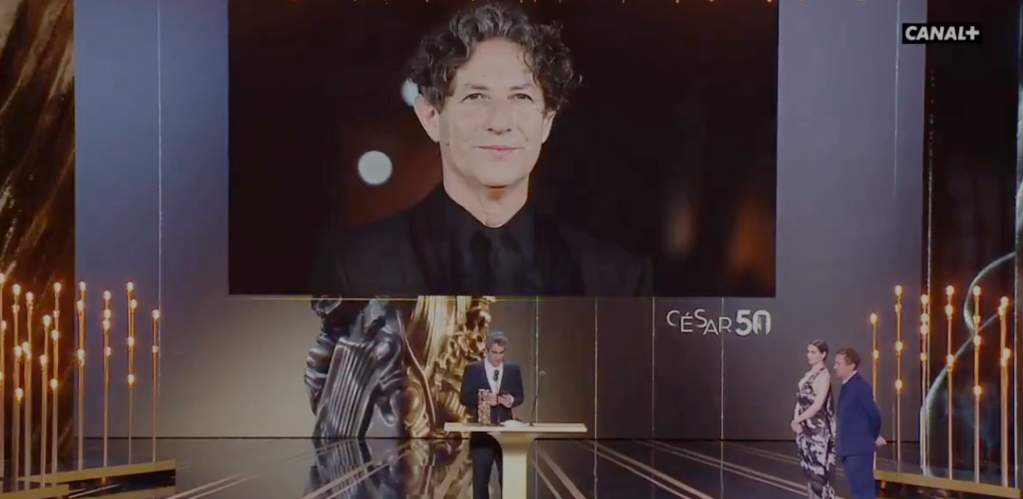
Jonathan Glazer’s César Speech: A Reflection on Oscars and Artistic Integrity
In a compelling display of authenticity and artistic conviction, Jonathan Glazer’s César speech has once again turned the spotlight on the often contentious relationship between art and recognition in the film industry. Following a similar tone during his Oscar acceptance speech last year, Glazer’s recent words have reignited vital conversations about the role of art in society and the significance of awards in acknowledging artistic integrity. With an industry frequently criticized for its superficiality, Glazer’s comments resonate deeply with audiences, urging them to contemplate the greater purpose of recognition in the arts.
Contextualizing the César Awards
The César Awards, France’s prestigious film accolades, are celebrated not just for honoring cinematic achievements but also for their cultural significance. Glazer, known for his thought-provoking films such as “Under the Skin” and “Birth,” utilized this platform to articulate a powerful message. His speech diverged from the traditional acceptance speech format, steering the conversation towards the essence of artistic expression and the responsibilities that come with it.
This year’s César Awards took place against a backdrop of ongoing debates about the film industry’s deeper meanings, the influence of commercial interests, and the genuine artistic voices that often get overshadowed. Glazer’s reflections serve as a reminder of the importance of maintaining artistic integrity in an environment that can sometimes prioritize box office success over meaningful storytelling.
The Heart of Glazer’s Message
Jonathan Glazer’s César speech centered on the notion that art should challenge, provoke, and inspire. His words encouraged filmmakers and artists to resist the pressures of conformity and commercial viability, advocating instead for a commitment to authentic storytelling. He stated, “In a world that often seeks to categorize and commercialize art, we must remember our duty as artists—to question, to reflect, and to illuminate the human experience.”
This perspective aligns closely with a broader understanding of artistry in contemporary culture. Glazer’s insistence on the importance of questioning societal norms resonates with both audiences and fellow creators, reminding them that the most impactful art often emerges from a place of vulnerability and truth.
The Oscars and Their Role in Artistic Recognition
While the César Awards focus on French cinema, they hold parallels with the Oscars, which have long been regarded as the pinnacle of recognition within the global film industry. However, the Oscars have faced their share of controversies regarding diversity, representation, and the inherent biases in award selection processes. Glazer’s speeches at both ceremonies highlight a critical examination of these issues.
- Artistic Integrity: Glazer’s emphasis on authenticity raises questions about the integrity of artistic work in an industry that often rewards commercial success over innovative storytelling.
- Diversity in Film: Both the César and Oscar ceremonies have been scrutinized for their lack of diversity. Glazer’s call for more inclusive narratives reflects a growing demand for representation in film.
- Commercialization vs. Art: The tension between artistic integrity and commercial viability is a recurring theme in Glazer’s work and speeches. This dichotomy invites filmmakers to reassess their motivations and the messages they convey through their art.
Impact on the Film Community
Glazer’s words have the potential to influence not just fellow artists but also the audience’s perception of cinema. By challenging the norms of the industry, he invites filmmakers to explore themes that matter, rather than conforming to commercial expectations. This shift in focus can lead to a renaissance of creativity, where films serve as vehicles for social commentary and emotional exploration.
Furthermore, his speech encourages emerging filmmakers to pursue their visions without fear of rejection. The film community thrives on innovation, and Glazer’s insistence on artistic integrity can inspire a new generation to break boundaries and create content that resonates on a deeper level.
The Broader Implications of Artistic Recognition
Artistic recognition, whether through awards or critical acclaim, plays a crucial role in shaping public discourse. Glazer’s remarks prompt us to consider what it truly means to be recognized for one’s work. Is it merely a trophy, or does it signify a deeper connection with the audience? The answer lies in the impact of the art itself.
Recognition should not solely celebrate technical prowess or box office earnings. Instead, it should reflect the ability of a piece of art to provoke thought, evoke emotion, and inspire change. As Glazer pointed out, “True recognition comes when our work resonates with others and stirs the collective consciousness.”
Conclusion: A Call to Action
Jonathan Glazer’s César speech serves as more than just a reflection on awards; it is a rallying cry for artists everywhere. By challenging the status quo, he encourages filmmakers to uphold their artistic integrity and prioritize meaningful storytelling over commercial success. As audiences, we are invited to embrace this ethos, supporting works that challenge, inspire, and provoke thought.
As we move forward in an ever-evolving film landscape, Glazer’s powerful message reminds us that the true value of art lies not only in its recognition but in its ability to connect us to our shared humanity. Let us champion the artists who dare to speak their truths and create works that reflect the complexities of our world. In doing so, we honor the very essence of art itself.
See more CNET Live