
Judd Apatow’s Bold Critique: Why He Calls ‘It Ends With Us’ a ‘Terrible Movie’
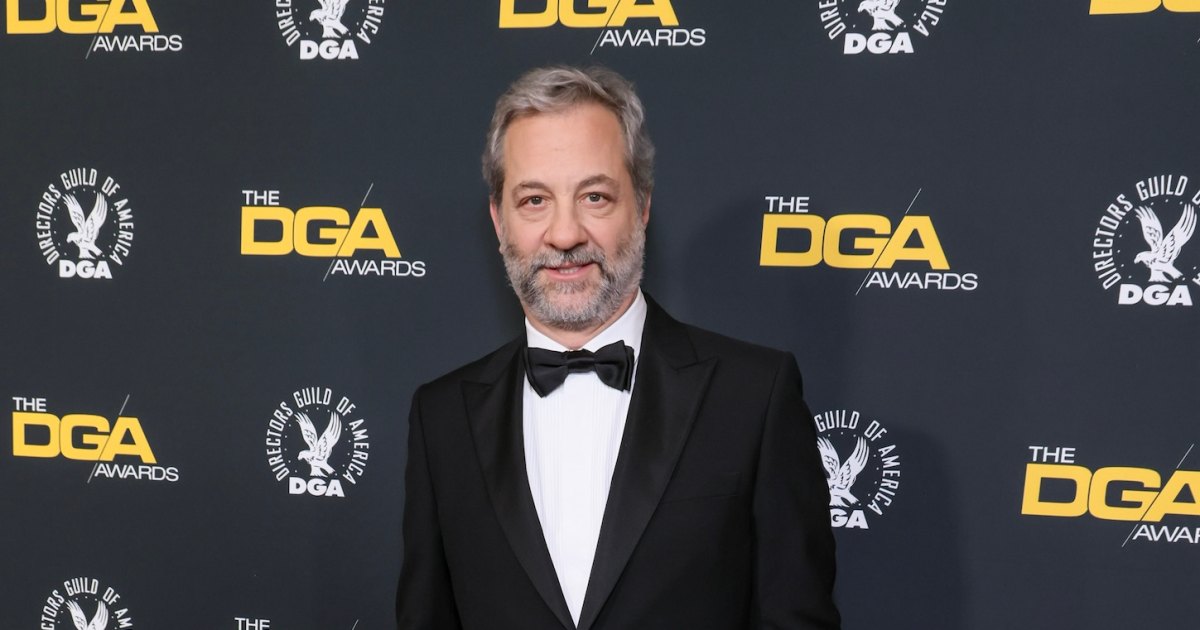
At the 2025 Directors Guild Awards, Judd Apatow, a prominent figure in the film industry known for his sharp comedic style and compelling storytelling, stirred controversy with his candid remarks about the romantic drama **‘It Ends With Us’.** His assertion that the film is a “terrible movie” has ignited a passionate discussion among audiences and critics alike regarding the narrative choices and emotional impact of this adaptation of Colleen Hoover’s best-selling novel.
The Context Behind the Critique
To understand Apatow’s critique, it’s essential to look at the background of **‘It Ends With Us’**. The film, directed by Justin Baldoni, is based on Hoover’s 2016 novel, which explores complex themes of love, abuse, and resilience. Starring Blake Lively and Justin Baldoni, the narrative dives deep into the life of Lily Bloom as she navigates her tumultuous relationship with Ryle Kincaid, revealing the multifaceted nature of love and the harsh realities of domestic abuse.
While the source material has garnered a massive following, Apatow’s comments suggest that the film’s translation onto the big screen may have missed the mark, particularly in how it portrays sensitive issues and resonates with viewers. He argued that the film oversimplifies the complexities of its themes, leading to a disservice to both the source material and the audience.
Analyzing Apatow’s Concerns
Apatow’s criticisms can be broken down into several key points:
- Shallow Character Development: Apatow feels that the characters, particularly Lily and Ryle, lack depth and nuance, making it difficult for audiences to connect with their struggles meaningfully. He believes that the film’s portrayal of their relationship fails to capture the emotional turmoil present in the book.
- Romanticizing Toxic Relationships: One of the most contentious aspects of **‘It Ends With Us’** is its depiction of toxic love. Apatow argues that the film inadvertently romanticizes an abusive relationship, which could send harmful messages to viewers about love and acceptance.
- Inadequate Handling of Serious Themes: Apatow expressed concern that the film does not adequately address the ramifications of domestic abuse, potentially glossing over the severity of the issue. He emphasizes that films dealing with such heavy themes should prioritize authenticity and depth in their storytelling.
The Impact of Apatow’s Comments on the Film’s Reception
Following Apatow’s remarks, there has been a notable shift in how audiences and critics perceive **‘It Ends With Us’**. While many fans of the book were excited about the film’s release, Apatow’s critique has led some to reassess their views. The film has received mixed reviews, with some praising its emotional performances while others echo Apatow’s sentiments regarding its narrative shortcomings.
Critics have pointed out that while the film might have a strong performance from its lead actors, the underlying message may not resonate as intended. Many viewers are now questioning whether the film successfully conveys the gravity of its themes or simply skims the surface of a complex issue.
Counterarguments and Support for the Film
While Apatow’s criticisms are significant, it’s important to consider the film’s supporters. Many fans argue that **‘It Ends With Us’** bravely tackles important issues, providing a platform for discussions about love, loss, and resilience. Some points in favor of the film include:
- Emotional Resonance: Supporters argue that the film effectively captures the emotional highs and lows of a romantic relationship, bringing the story’s heart to life through powerful performances.
- Awareness of Domestic Abuse: Advocates for the film suggest that it raises awareness about domestic violence, encouraging conversations that might not have occurred otherwise. The film’s portrayal of Lily’s journey can be seen as a source of inspiration for those experiencing similar situations.
- Visual Storytelling: The film’s cinematography and direction have been praised for their aesthetic qualities, creating a visually appealing narrative that draws audiences in.
The Broader Implications of Apatow’s Critique
Apatow’s bold critique of **‘It Ends With Us’** not only highlights the challenges filmmakers face when adapting complex narratives but also underscores an essential conversation about the responsibilities of storytelling in cinema. As films increasingly explore sensitive topics, filmmakers must balance the need for authentic representation with the desire for commercial success.
This discussion serves as a reminder that the impact of a film extends beyond entertainment; it shapes societal perceptions and can influence viewers’ understanding of critical issues. Judd Apatow’s comments invite filmmakers to reflect on their storytelling choices and the potential effects their narratives can have on audiences.
Conclusion
In the end, Judd Apatow’s critique of **‘It Ends With Us’** has ignited a necessary conversation about the portrayal of complex relationships in cinema. While the film has its supporters, Apatow’s insights challenge creators to delve deeper into the stories they tell, ensuring they do justice to the subjects they explore. As audiences continue to engage with the film, the dialogue surrounding it may foster a greater understanding of the themes of love, abuse, and resilience, proving that even when a film is labeled a “terrible movie,” it can still spark crucial conversations.
As the film industry evolves, it remains vital for filmmakers to consider the implications of their work, striving for authenticity and depth in storytelling. Apatow’s critique serves as a reminder that cinema can be a powerful tool for change, and with that power comes the responsibility to portray the complexities of human experiences accurately and thoughtfully.
See more CNET Live