
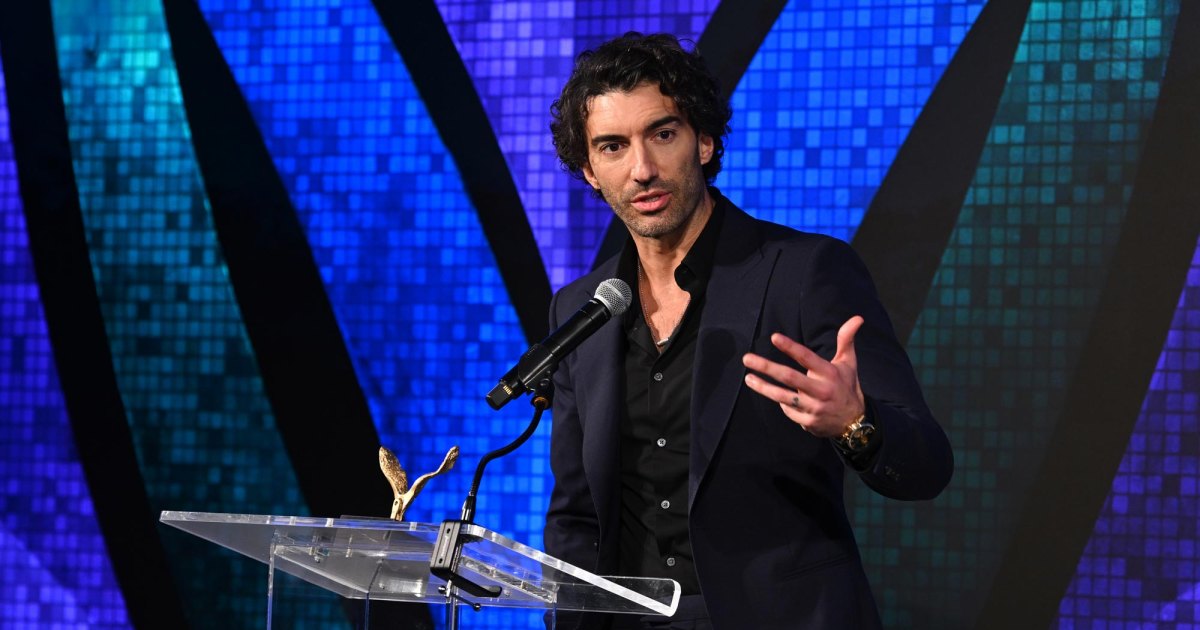
New Developments in Justin Baldoni’s $250 Million Lawsuit Against The New York Times
In a high-profile clash that has captivated media and celebrity watchers alike, actor Justin Baldoni has taken legal action against The New York Times, seeking a staggering $250 million in damages. This lawsuit raises significant questions about media accountability, celebrity rights, and the ethical obligations of journalists in the digital age. As the case unfolds, new developments continue to emerge, shedding light on the implications of this legal battle not just for Baldoni, but for the media landscape as a whole.
The Basis of the Lawsuit
Justin Baldoni, best known for his role in the hit television series *Jane the Virgin*, filed the lawsuit in response to an article published by The New York Times that he claims misrepresented his views and presented false information about his character. Baldoni asserts that this misrepresentation has caused him significant emotional distress and has harmed his career. The lawsuit, which seeks $250 million in damages, underscores his belief that public figures should be protected from defamatory statements made by media outlets.
- Allegations of Defamation: Baldoni alleges that the article contained factual inaccuracies that mischaracterized his statements and intentions.
- Impact on Reputation: The actor argues that the publication of such misleading information can irreparably damage his public persona and professional opportunities.
- Media Accountability: Baldoni’s legal team contends that news organizations must adhere to a higher standard of truthfulness when reporting on public figures.
Legal Maneuvering: The New York Times’ Response
In response to Baldoni’s lawsuit, The New York Times has filed a motion to dismiss the case, claiming that Baldoni has not sufficiently demonstrated that the article was defamatory. Their legal team argues that the article in question falls under the protection of the First Amendment, which safeguards freedom of speech and the press. The newspaper contends that the statements made in the article were either opinions or interpretations of Baldoni’s public persona, rather than outright falsehoods.
The implications of this legal maneuvering could be profound, as it raises critical questions about the balance between free expression and the protection of individual reputations. The outcome of this case could set a precedent for how celebrity defamation lawsuits are handled in the future.
The Broader Implications of the Lawsuit
The lawsuit filed by Justin Baldoni is not just a personal battle; it reflects larger societal issues concerning media ethics and the treatment of public figures. Here are some key aspects to consider:
- Media Responsibility: As digital platforms proliferate, the responsibility of media outlets to provide accurate and fair reporting becomes even more crucial. The public relies on journalists to verify facts and present information in a balanced manner.
- Impact of Social Media: The rapid dissemination of information through social media can amplify the effects of misleading articles, making it essential for media organizations to be vigilant in their reporting.
- Cultural Shifts: As society increasingly scrutinizes the actions and statements of public figures, the line between opinion and fact can become blurred, leading to potential misunderstandings and misrepresentation.
The Celebrity Perspective
For celebrities like Baldoni, the stakes in such lawsuits are incredibly high. Their careers often depend on public perception, and any negative portrayal can have a lasting impact on their professional lives. Many in the entertainment industry have expressed support for Baldoni, noting that such legal battles are essential for holding media outlets accountable.
Moreover, this case taps into a broader dialogue about the rights of public figures versus the freedom of the press. While artists and entertainers are often subject to scrutiny, they also deserve protection against false narratives that can harm their reputations. Baldoni’s lawsuit serves as a reminder that the voices of celebrities carry weight, and their right to defend themselves should be respected.
Potential Outcomes of the Lawsuit
As the legal battle unfolds, several potential outcomes could arise from Baldoni’s lawsuit against The New York Times:
- Dismissal of the Case: If the court sides with The New York Times and grants the motion to dismiss, it might signal to other public figures that pursuing defamation lawsuits can be challenging.
- Settlement: Both parties might consider a settlement out of court, which could involve a public apology or retraction, allowing Baldoni to reclaim some control over his narrative.
- Legal Precedent: If the case goes to trial and Baldoni prevails, it could establish a new legal precedent regarding the responsibilities of media outlets when reporting on public figures.
Public Reaction and Media Coverage
The public response to Baldoni’s lawsuit has been mixed. Many supporters have rallied behind him, viewing the lawsuit as a necessary step in the fight for media accountability. Social media platforms have been abuzz with discussions about the implications of the case, with some users advocating for greater protections for public figures against defamation.
However, critics argue that celebrities must accept a certain level of scrutiny due to their public status. They contend that pursuing legal action against a major news outlet could be seen as an attempt to silence legitimate journalism. This ongoing debate highlights the complexities of navigating celebrity culture in an age of instant information sharing.
Conclusion
As Justin Baldoni’s $250 million lawsuit against The New York Times continues to make headlines, it serves as a pivotal moment in the conversation surrounding media ethics and celebrity rights. The legal proceedings will likely draw attention not only to the specifics of Baldoni’s case but also to the broader implications for how the media interacts with public figures. This lawsuit could play a significant role in shaping the future landscape of journalism and celebrity culture, emphasizing the need for responsibility, transparency, and accountability in media reporting.
In the end, this case is not just about a single actor seeking justice; it’s about establishing the principles that govern how we engage with the truth in a society where information travels faster than ever before. As we await further developments in this landmark case, one thing is clear: the conversation about media accountability is far from over.
See more CNET Live