
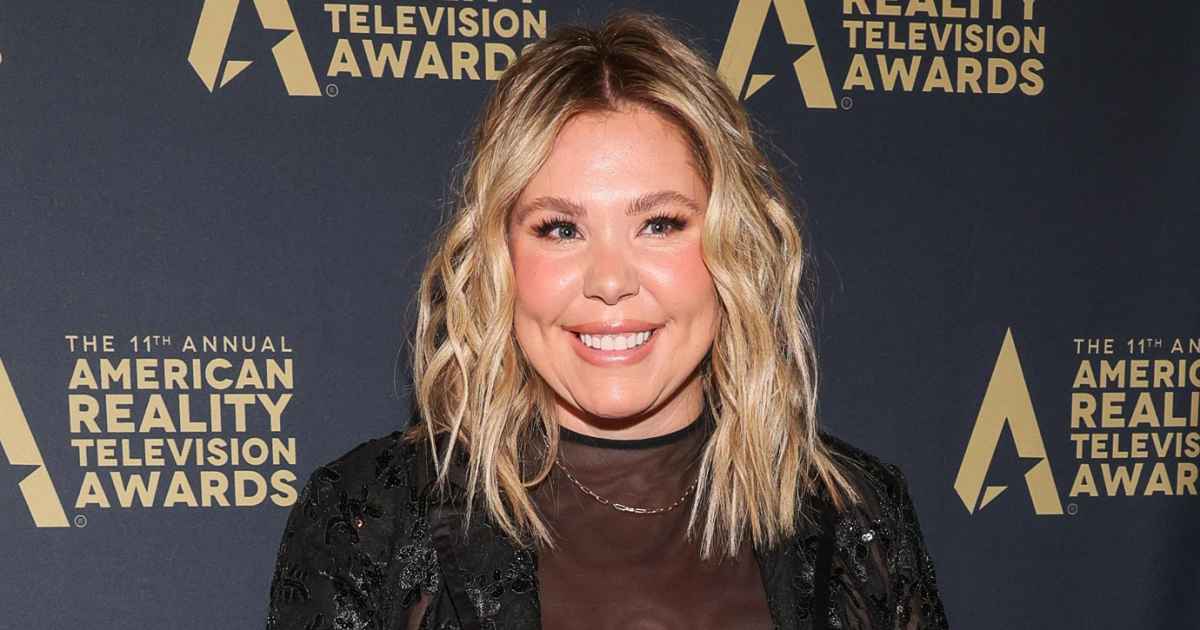
Kailyn Lowry Unveils the Surprising Reason Behind Her Friends’ NDAs
In a world where privacy seems to be a luxury, Kailyn Lowry, the outspoken star of “Teen Mom,” has taken an unconventional approach to safeguarding her personal life. Recently, she revealed her practice of requiring her friends to sign non-disclosure agreements (NDAs). This intriguing revelation not only sheds light on Lowry’s desire for privacy but also raises important questions about the boundaries of friendship, personal branding, and the complexities of life in the public eye.
The Context of NDAs in Modern Relationships
Non-disclosure agreements are typically associated with corporate environments or celebrity relationships, where sensitive information might be at risk of leaking. However, in Kailyn’s case, it highlights an interesting intersection between friendship and personal branding. As a reality TV star, Kailyn has navigated the challenges of living under public scrutiny, making her approach to privacy particularly relevant.
By asking her friends to sign NDAs, Kailyn is taking proactive steps to protect herself and her brand. This practice, while perhaps surprising to some, reflects a growing trend among public figures who seek to maintain control over their narratives. In an age where social media can amplify any minor detail, the need for confidentiality becomes paramount for those whose lives are constantly under a microscope.
Understanding the Need for Privacy
Living in the public eye often means that individuals must manage not only their personal lives but also the perceptions of others. For Kailyn, her past experiences with betrayal and public gossip have likely influenced her decision to implement NDAs. By ensuring that her friends are legally bound to confidentiality, she aims to mitigate the risk of personal information being leaked or misrepresented.
- Previous Experiences: Kailyn has faced numerous challenges throughout her time on “Teen Mom,” including public feuds and personal revelations that have been sensationalized by the media.
- Protecting Her Children: As a mother, Kailyn is likely even more protective of her children’s privacy. The implications of her friends discussing her family dynamics could have lasting effects.
- Control Over Narrative: In a world where misinformation can spread rapidly, having NDAs allows Kailyn to maintain some control over how her life is portrayed.
The Boundaries of Friendship and Trust
At first glance, requiring friends to sign NDAs may seem like a breach of trust. However, for Kailyn, it could be a necessary boundary that helps define her relationships. The reality is that friendships can evolve, and the line between private life and public persona can blur. By establishing clear expectations through legal agreements, Kailyn may be attempting to foster deeper, more trustworthy relationships.
Additionally, this practice might encourage her friends to respect her privacy and understand the unique challenges faced by someone in the public eye. It can also serve as a reminder that while friendships are built on trust, they can also be affected by external pressures, especially when fame is involved.
The Impact of Social Media
Social media has transformed the way we share our lives. For public figures like Kailyn Lowry, platforms like Instagram and Twitter can amplify both the positive and negative aspects of their reality. With followers eager for insights and updates, the temptation for friends to share personal anecdotes can be overwhelming.
Here are a few ways social media influences the need for NDAs:
- Instant Sharing: Friends might inadvertently share personal stories or photos that could compromise Kailyn’s privacy.
- Public Interest: The public’s fascination with celebrity lives means that even benign details can become headline news.
- Pressure to Perform: Friends may feel pressured to share experiences or opinions about Kailyn, leading to potential conflicts and misunderstandings.
Legal and Ethical Considerations
While NDAs are a practical solution for many public figures, they also raise ethical questions. Are friendships built on contracts less genuine? Can trust exist alongside legal obligations? For Kailyn, the answers to these questions likely depend on her individual experiences and the nature of her relationships.
Legally, NDAs are enforceable contracts that can protect individuals from breaches of confidentiality. However, they can also create a sense of distance. It’s crucial for Kailyn to balance her need for privacy with the genuine connections she seeks to maintain. Open communication about her reasons for implementing NDAs can help in preserving the integrity of her friendships.
The Future of Personal Branding and Privacy
Kailyn Lowry’s decision to utilize NDAs may set a precedent for others in similar situations. As the landscape of celebrity culture continues to evolve, the need for privacy will likely remain a hot topic. Personal branding, especially for reality stars, intertwines with public perception, making privacy a critical asset.
As audiences become more aware of the complexities involved in the lives of public figures, there may be a growing understanding and acceptance of practices like NDAs. For Kailyn, this could mean more support from fans who appreciate her initiative to safeguard her personal life while continuing to share her journey authentically.
Conclusion
Kailyn Lowry’s revelation about requiring friends to sign NDAs offers a fascinating glimpse into the intricacies of friendship and personal branding in the age of social media. While it may seem unconventional, her approach underscores the importance of privacy for public figures. As she navigates her roles as a mother, a friend, and a reality TV star, Kailyn continues to redefine the boundaries of personal and public life.
As we move forward, the conversation surrounding privacy and the implications of fame will undoubtedly evolve. Kailyn’s story serves as a reminder that while friendships are vital, the context in which they exist can significantly shape their dynamics. Ultimately, it’s about finding a balance between trust, privacy, and authenticity in an ever-watchful world.
See more CNET Live