
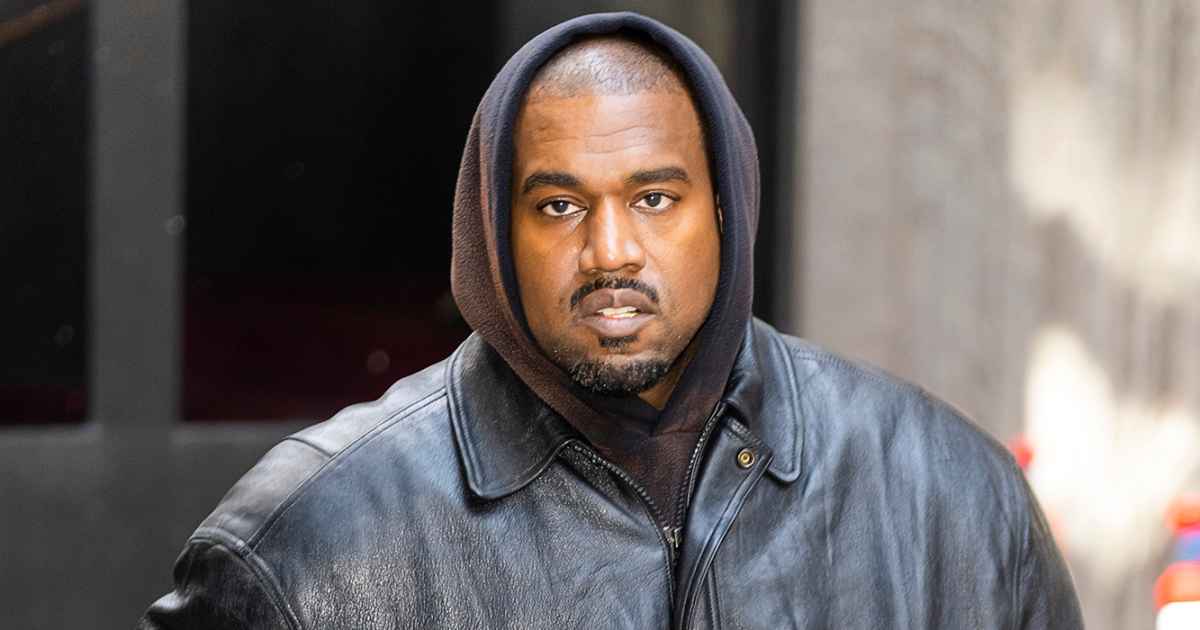
Kanye West’s Controversial Album Title Sparks Debate Over Parenting and Creativity
Kanye West has once again stirred the pot with his latest album title, “Bully.” This unexpected choice has ignited a flurry of discussions around the intersection of art, parenting, and societal norms. Allegedly inspired by an incident involving his son, Saint, who reportedly kicked another child, the title raises important questions about the implications of such a choice in today’s context.
The Context Behind “Bully”
To understand the controversy surrounding the album title, it’s essential to delve into the background of the incident that purportedly inspired it. Reports suggest that Saint West, Kanye’s son with Kim Kardashian, was involved in a playground altercation. While children often engage in rough play, the notion of labeling a child’s behavior as “bullying” can carry significant weight. With the increasing awareness of bullying and its repercussions in contemporary society, the choice of “Bully” as an album title feels particularly provocative.
Kanye’s decision to name his album after a term that is often associated with negative behavior raises eyebrows. Critics argue that it trivializes the serious nature of bullying, while supporters may contend that it reflects an honest exploration of a complex issue. This dual perspective highlights how art can serve as a mirror to societal issues, prompting reflection and dialogue.
The Role of Parenting in Artistic Expression
At the heart of this debate lies the question of parenting and how personal experiences shape artistic expression. Kanye West, known for his boundary-pushing creativity, often draws from his personal life and experiences in his music. This has led to some of his most compelling works, but it also opens him up to scrutiny regarding the messages he conveys.
- Parental Influence: Parents often grapple with how their choices affect their children. In the case of Kanye, his artistic decisions could influence how his children perceive concepts like bullying, creativity, and self-expression.
- Social Responsibility: Public figures have a certain responsibility to be mindful of the messages they broadcast. By naming the album “Bully,” Kanye risks normalizing aggressive behavior or conflating childhood mischief with serious bullying.
- Freedom of Expression: On the other hand, artists should feel free to explore controversial themes. Kanye’s choice could be viewed as a bold commentary on the complexities of childhood behavior rather than a glorification of bullying.
The Impact of Language in Art
The language we use in art has profound implications. The word “bully” carries connotations of aggression, dominance, and psychological harm. When used as a title, it provokes strong reactions, both positive and negative. The interplay between language and creativity invites a broader discussion about how titles and themes can shape public perception.
In today’s society, where discussions around mental health and emotional well-being are more pronounced, the impact of language in art cannot be overstated. Titles can frame narratives and influence how audiences interpret a work. For example, if “Bully” is viewed through the lens of a parent reflecting on their child’s behavior, it might inspire empathy and understanding. Conversely, if seen as an endorsement of negative behavior, it could provoke outrage.
Public Reaction and the Debate Over Parenting
The public reaction to Kanye’s album title has been mixed. Some fans appreciate the candidness and the opportunity for deeper conversations about childhood behavior and creativity. Others express concern that the title may send the wrong message to impressionable audiences.
- Supporters: Many fans argue that Kanye is simply reflecting the realities of parenting in a raw and unfiltered manner. They appreciate his willingness to tackle difficult subjects through his art.
- Critics: Detractors worry that the title could trivialize the serious nature of bullying, especially in a time when anti-bullying campaigns are more critical than ever. They argue that such a title could inadvertently glamorize bullying behavior.
The Broader Implications for Society
The conversation surrounding Kanye West’s album title extends beyond his personal experiences. It reflects broader societal issues regarding parenting, creativity, and the cultural narratives we construct around childhood behavior. As parents navigate the complexities of raising children in a fast-paced, often judgmental society, they face difficult questions about how to address issues like bullying.
In this context, Kanye’s title could serve as a catalyst for discussions about how we define and respond to aggressive behavior among children. Rather than simply condemning behaviors, it might prompt parents to engage in open dialogues with their children about empathy, conflict resolution, and the consequences of their actions.
Conclusion: Art as a Reflection of Life
In conclusion, Kanye West’s controversial album title “Bully” serves as a powerful reminder of the intricate relationship between art, parenting, and societal values. While it undoubtedly raises challenging questions, it also offers an opportunity for reflection and dialogue. As parents, artists, and members of society, we must navigate these discussions thoughtfully, recognizing that creativity often thrives in the space where personal experiences meet broader societal issues.
Ultimately, Kanye’s choice to name his album “Bully” may be seen as an invitation to explore the complexities of childhood behavior and the responsibilities that come with both parenting and artistic expression. Whether one views the title as a critique or a celebration, it undeniably sparks a necessary conversation about how we understand and address the challenges our children face today.
See more CNET Live