
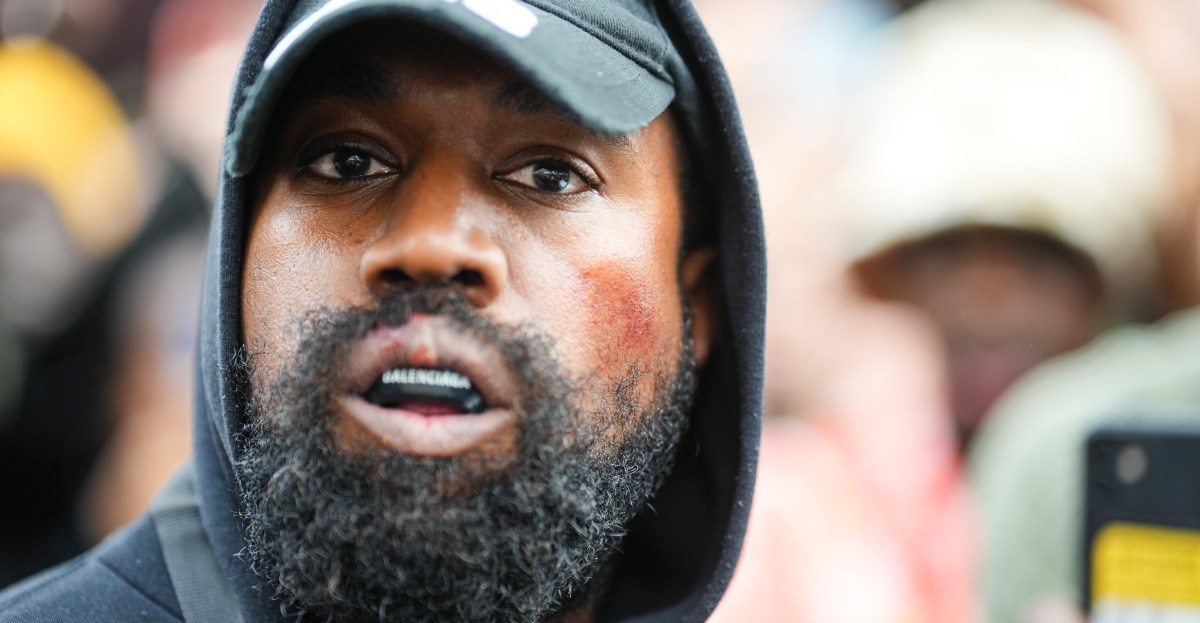
Unpacking Kanye West’s Controversial Descent into Antisemitism
Kanye West, a figure who has long captivated the public imagination with his innovative music and bold fashion statements, has recently found himself at the center of a storm over antisemitism. This troubling spiral into antisemitism raises questions not only about West’s intentions and motivations but also about the broader cultural and societal implications of his remarks. In this article, we’ll explore the complex factors contributing to Kanye West’s controversial descent, examining his statements, their impact, and the reactions from various communities.
The Genesis of Controversy
The trajectory of Kanye West’s public persona has always been marked by volatility and unpredictability. Over the years, he has made headlines for everything from his music and fashion to his public outbursts and controversial statements. However, his recent comments regarding Jewish people have ignited a particularly intense backlash, prompting discussions about the resurgence of antisemitism in contemporary society.
In late 2022, during a series of interviews and public appearances, West made statements that were widely condemned as antisemitic. These comments included conspiracy theories suggesting that Jewish people control the media and financial systems. Such rhetoric is not only harmful but also echoes historical tropes that have fueled discrimination and violence against Jewish communities for centuries.
Understanding the Motivations Behind the Statements
To unpack Kanye West’s controversial descent into antisemitism, it’s crucial to consider the potential motivations behind his remarks. A few factors may be at play:
- Mental Health Struggles: West has been open about his battles with mental health issues, including bipolar disorder. Some analysts suggest that these struggles may influence his behavior and decision-making, possibly leading to erratic statements that do not reflect his true beliefs.
- Desire for Attention: Throughout his career, Kanye has often employed shock value as a tactic to maintain public interest. By making incendiary comments, he may seek to position himself at the forefront of media coverage, regardless of the consequences.
- Influence of Personal Experiences: West’s experiences within the entertainment industry, including feelings of marginalization, could lead him to lash out against perceived oppressors, which he mistakenly identifies as Jewish people.
These motivations do not excuse his comments but provide context for understanding how such rhetoric can emerge from a complex interplay of personal and societal factors.
The Role of Social Media in Amplifying Antisemitism
In today’s digital age, social media plays a significant role in shaping public discourse. Kanye West’s statements gained traction across various platforms, allowing them to spread rapidly and reach a global audience. This phenomenon raises concerns about how influential figures can perpetuate harmful ideologies, often without accountability.
For instance, platforms like Twitter and Instagram can amplify fringe beliefs and conspiracy theories, enabling them to penetrate mainstream discussions. West’s following, which includes millions of fans, means that his words can have a profound impact, especially among younger audiences who may be more susceptible to these ideas.
Reactions from the Jewish Community and Beyond
The backlash against Kanye’s comments has been swift and severe. Prominent Jewish organizations, such as the Anti-Defamation League (ADL), have condemned his statements, emphasizing the danger of perpetuating stereotypes and conspiracy theories. In a world where antisemitism is on the rise, West’s comments are particularly alarming.
Community leaders and advocates have called for greater accountability and education regarding antisemitism. They argue that public figures have a responsibility to understand the historical context of their words and the potential harm they can inflict.
Furthermore, the broader implications of West’s statements extend beyond the Jewish community. Antisemitism often intersects with other forms of hate, making it crucial for all marginalized groups to stand in solidarity against bigotry. Many activists emphasize that combating antisemitism is part of a larger fight against all forms of discrimination.
The Cultural Impact of Kanye West’s Antisemitic Remarks
Kanye West’s controversial descent into antisemitism underscores the cultural responsibility that comes with celebrity status. His influence spans music, fashion, and popular culture, making his words particularly impactful. As such, his remarks can contribute to a culture that normalizes hate speech and undermines efforts to promote diversity and inclusion.
Moreover, the normalization of such rhetoric can have real-world consequences, potentially leading to increased incidents of hate crimes and discrimination. This cycle of hate can perpetuate division and animosity, making it imperative for society to address these issues head-on.
Moving Forward: The Need for Dialogue and Education
As we unpack Kanye West’s controversial descent into antisemitism, it’s essential to focus on solutions. Education and dialogue are crucial in combating hate and promoting understanding among different communities. Here are some steps that can be taken:
- Promoting Educational Initiatives: Schools and organizations should implement educational programs that address antisemitism and other forms of hate. By fostering understanding and empathy, we can combat ignorance and prejudice.
- Encouraging Open Dialogue: Creating spaces for open discussions about race, religion, and identity can help bridge divides. Engaging with diverse perspectives fosters a culture of respect and understanding.
- Holding Public Figures Accountable: It is vital to hold influential individuals accountable for their words. This includes pushing back against harmful rhetoric and demanding that public figures take responsibility for their statements.
In conclusion, Kanye West’s troubling spiral into antisemitism highlights the complex interplay of personal, cultural, and societal factors that contribute to the proliferation of hate speech. By understanding the motivations behind such remarks and acknowledging their broader implications, we can work towards a more inclusive and respectful society. It is only through education, dialogue, and accountability that we can hope to combat antisemitism and foster a culture of understanding.
See more CNET Live