
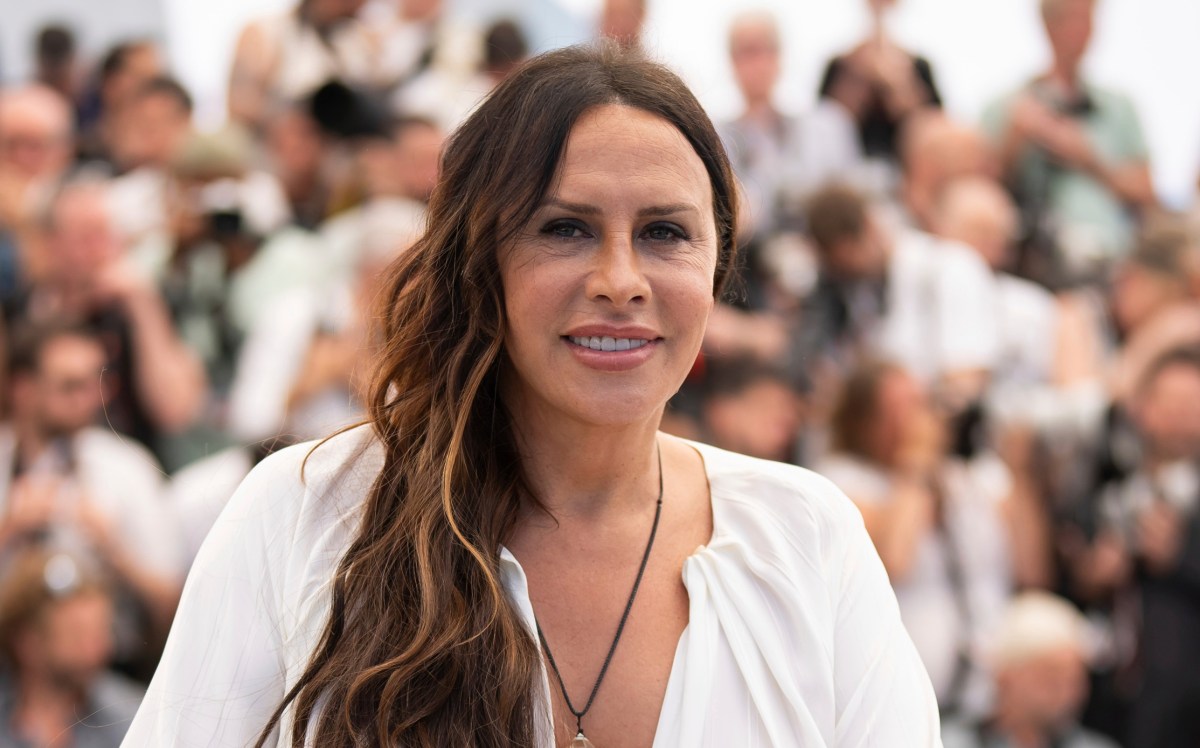
Controversy Strikes: The Cancellation of Karla Sofía Gascón’s Book
The literary world is currently reeling from the unexpected cancellation of Karla Sofía Gascón’s latest book, a decision that has reignited conversations surrounding artistic freedom and societal values. This controversy has sparked widespread debate among authors, publishers, and readers alike about the implications of such cancellations on literary expression and the publishing industry as a whole. What led to this fallout, and what could it mean for future publications? Let’s delve into the details.
The Background of the Controversy
Karla Sofía Gascón, an emerging voice in contemporary literature, is known for her bold narratives that challenge societal norms and provoke thought. Her latest book, which was highly anticipated, was abruptly canceled by her publisher due to concerns over its content. Reports indicate that the book contained themes that some deemed controversial, raising questions about censorship and the boundaries of artistic expression.
In recent years, we have witnessed a growing trend where publishers are increasingly cautious about the content they choose to release. This sensitivity often stems from a desire to avoid backlash from readers, critics, or advocacy groups. In Gascón’s case, the publisher cited potential backlash as a primary reason for the cancellation, claiming the themes explored in her book could alienate certain segments of the audience.
What Were the Themes?
The specifics of Gascón’s book remain largely under wraps, but leaks suggest it tackled issues such as identity, race relations, and socio-political commentary. These subjects, while essential to contemporary discourse, can often provoke strong reactions. The decision to pull the book has left many wondering whether the publisher acted out of prudence or fear.
- Identity Politics: Gascón’s exploration of personal and collective identity may have struck a nerve with those sensitive to current debates around race and privilege.
- Social Commentary: The book’s critical stance on societal issues could have been perceived as incendiary in today’s polarized climate.
- Artistic Freedom: Many advocates argue that art should challenge the status quo, rather than conform to it.
The Reaction from the Literary Community
The cancellation of Karla Sofía Gascón’s book has prompted a wave of reactions from writers, critics, and readers. Many have come forward to express their disappointment, viewing the decision as an affront to artistic freedom. Notable authors have taken to social media to voice their support for Gascón, emphasizing the importance of allowing writers to express their truths without fear of reprisal.
On the other hand, some argue that publishers have a responsibility to consider the potential implications of releasing controversial material. They suggest that the goal of literature should be to foster dialogue, but also to ensure that such dialogue does not lead to harm or division. This perspective highlights a critical tension within the literary community: the balance between freedom of expression and social responsibility.
Implications for Future Publications
The fallout from this cancellation raises significant questions about the future of publishing. Will publishers become more risk-averse, opting for safer, more palatable content? Or will there be a resurgence of support for authors who challenge societal norms, regardless of the potential backlash?
- Increased Self-Censorship: If publishers continue to shy away from controversial topics, it could lead to a homogenization of literature, where only ‘safe’ narratives are published.
- Emergence of Independent Publishing: Authors may turn to self-publishing or independent presses that are more willing to take risks, potentially leading to a vibrant underground literary scene.
- Reader Activism: Readers can play a crucial role by supporting authors who tackle difficult subjects, thus encouraging publishers to take bolder steps.
The Broader Cultural Conversation
The situation surrounding Karla Sofía Gascón’s canceled book also feeds into a larger cultural conversation about censorship, political correctness, and the role of art in society. In a world where social media amplifies voices, the repercussions of controversial works can be magnified, leading to a chilling effect on creativity.
However, this moment also presents an opportunity for reflection and growth. The literary community can engage in meaningful discussions about the nature of art, the responsibilities of artists, and the expectations of audiences. Here are some avenues for fostering a healthier discourse:
- Facilitated Dialogues: Hosting discussions and panels that explore the nuances of censorship and artistic freedom can help bridge gaps between differing viewpoints.
- Support Networks: Establishing networks for authors who tackle controversial subjects can provide them with the support they need to navigate these challenges.
- Educational Initiatives: Encouraging critical thinking about literature in educational settings can empower readers to engage with difficult topics constructively.
Conclusion: A Call for Balance
The cancellation of Karla Sofía Gascón’s book serves as a poignant reminder of the delicate balance between artistic freedom and societal values. As the literary community grapples with this issue, it is crucial to foster an environment where diverse voices can be heard and where literature can continue to challenge and inspire. The future of publishing hangs in the balance, but by advocating for open dialogue and creative expression, we can ensure that the literary landscape remains rich, diverse, and vibrant.
As we move forward, let us champion the courage it takes for authors to tell their stories, regardless of the potential for controversy. After all, literature has always been a mirror to society, reflecting our complexities and prompting us to think critically about our world.
See more CNET Live