
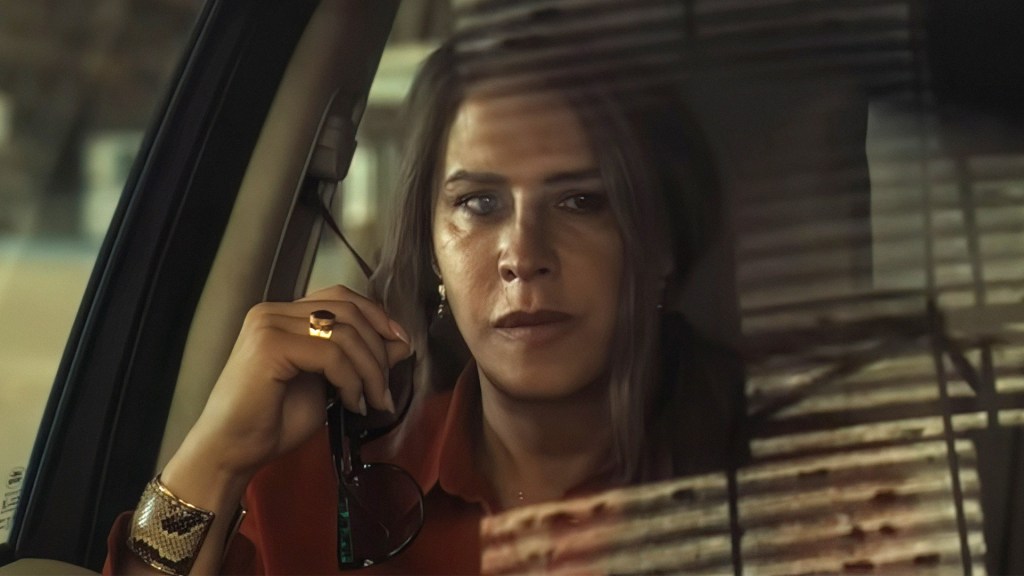
Karla Sofía Gascón Breaks Silence: A Bold Response to ‘Emilia Pérez’ Director
As the Oscars buzz intensifies, Karla Sofía Gascón has chosen to break her silence regarding the director of her film, Emilia Pérez, making waves in the film industry. In a landscape often dominated by noise and speculation, Gascón’s measured response to the pressures of awards season reflects not only her artistic integrity but also the broader challenges faced by artists in a competitive field. This moment invites deeper reflection on the nature of artistic expression and the expectations surrounding it.
The Context of the Oscars Buzz
The Oscars, often regarded as the pinnacle of achievement in the film industry, bring with them a whirlwind of excitement, anxiety, and scrutiny. As films vie for recognition, the narratives surrounding their creators and performers tend to overshadow the works themselves. In this context, Gascón’s decision to articulate her thoughts speaks volumes about the delicate balance between personal expression and public perception. With Emilia Pérez gaining traction in discussions about potential nominations, the pressure mounts not only on the film but also on its key players.
Karla Sofía Gascón’s Measured Silence
Gascón’s response to the director of Emilia Pérez was not an outburst but rather a carefully considered statement. She emphasized the importance of allowing her work to speak for itself, suggesting that the merit of a film should not be solely defined by awards or accolades. This stance resonates with many artists who contend that the essence of their work can be diluted by the overwhelming noise of the awards season.
In her statement, Gascón highlighted the creative process, noting, “Art is an extension of ourselves. It’s about the journey, the struggles, and the stories we tell.” This perspective challenges the conventional wisdom that equates artistic success with recognition, urging audiences and critics alike to delve deeper into the narratives that films present. The film industry, she argues, should celebrate the artistry rather than merely the accolades.
The Pressures of Awards Season
Every year, as awards season approaches, the film industry witnesses a surge in promotional campaigns, interviews, and red-carpet appearances designed to showcase talent and garner votes. This experience can be overwhelmingly stressful for many artists, who often feel the weight of expectation pressing down on them. Gascón’s measured approach serves as a stark contrast to this frenzy, reminding us that the essence of art lies in its authenticity rather than its marketability.
Some key pressures artists face during awards season include:
- Media Scrutiny: Every statement, every appearance can be dissected and analyzed, leading to immense pressure to conform to public expectations.
- Competition: As numerous films compete for attention, each artist feels the need to distinguish themselves in a crowded field.
- Public Perception: The narrative surrounding a film can often overshadow its quality, leading to disappointment or disillusionment among creators.
Artistic Integrity vs. Commercial Success
The dichotomy between artistic integrity and commercial success is a longstanding debate within the film industry. Gascón’s bold response underscores the importance of maintaining one’s vision amidst external pressures. For many artists, creating authentic work that resonates with their personal experiences is far more rewarding than chasing awards.
In her view, the film industry should foster an environment that values originality and creativity over mere accolades. “I want my work to inspire and provoke thought,” she stated. “If it happens to win awards, that’s an added bonus, but it’s not the goal.” This mindset challenges young filmmakers and actors to prioritize their artistic vision and emotional truths rather than succumbing to the allure of trophies and recognition.
Reactions from the Industry
Gascón’s response has sparked a conversation within the film community. Fellow artists and filmmakers have expressed support for her perspective, emphasizing the need for a culture that values artistic authenticity. Many have shared their own experiences of feeling overwhelmed by the demands of awards season, echoing Gascón’s sentiments.
In a recent interview, acclaimed filmmaker Juan Carlos Medina remarked, “Karla’s words resonate with many of us. It’s a reminder that we create because we love the craft, not just for the accolades.” Such support highlights a growing movement within the industry to prioritize artistic expression over commercial validation.
The Future of Artistic Expression
As the conversation around Gascón’s response continues, it raises important questions about the future of artistic expression in a rapidly evolving industry. The landscape of cinema is changing, with new platforms and methods of storytelling emerging every day. Artists must navigate these changes while staying true to their visions.
Gascón’s bold stand serves as a beacon for aspiring filmmakers, reminding them that it’s possible to carve out a space for genuine artistic expression even within an industry that often prioritizes commercial success. As more artists embrace this philosophy, the industry may slowly shift towards a model that celebrates innovation and authenticity.
Conclusion: A Call for Reflection
Karla Sofía Gascón’s decision to break her silence and address the pressures surrounding her work in Emilia Pérez invites a broader dialogue about the nature of art, recognition, and the true purpose of creativity. As awards season unfolds, her measured response serves as a poignant reminder that the value of art transcends trophies and accolades. In celebrating the stories we tell, we honor the journey of creation and the artistic spirit that fuels it.
In an age where the noise of awards can overshadow the art itself, Gascón’s perspective encourages all artists to stay true to their voices, trusting that their work will ultimately resonate with audiences in profound ways. As the Oscars loom on the horizon, her call for reflection challenges us all to consider what we value in art and the narratives we choose to uplift.
See more CNET Live