
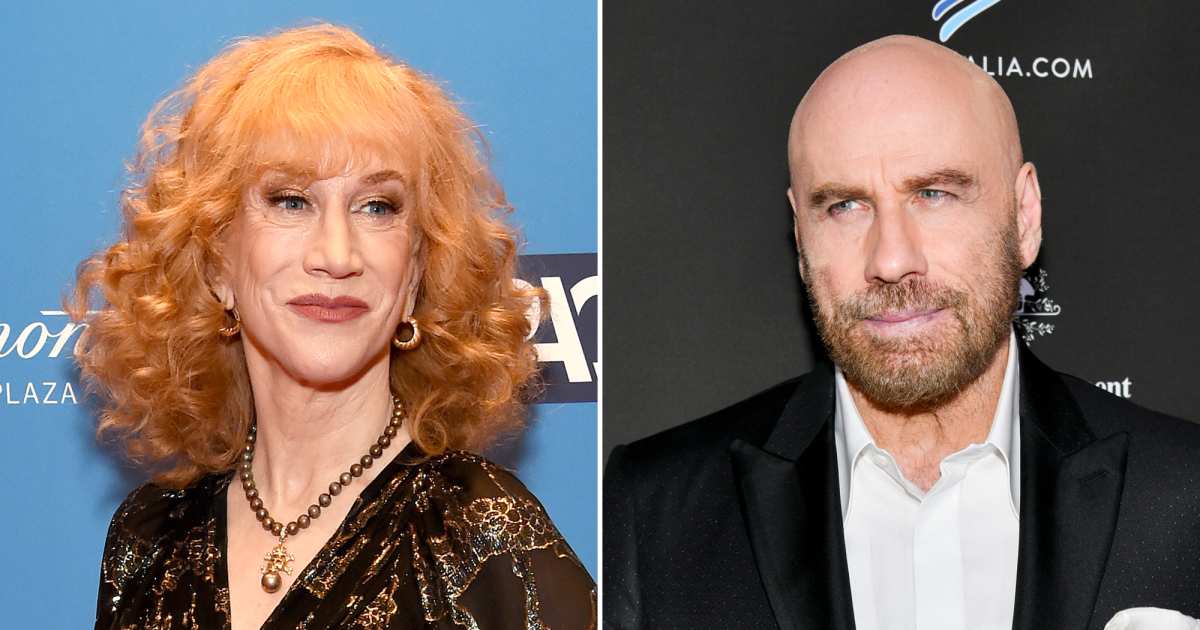
Inside Kathy Griffin’s Bold Plan to Free John Travolta from Scientology
Comedian Kathy Griffin recently revealed her past efforts to help actor John Travolta leave the Church of Scientology, sparking renewed debate about celebrity influence and religious freedom. In candid interviews, Griffin detailed her 2016 campaign to persuade Travolta—a high-profile Scientologist since 1975—to abandon the controversial organization, shedding light on the complex dynamics of faith and fame in Hollywood.
The Comedian’s Controversial Intervention
Griffin, known for her unfiltered commentary, disclosed that she orchestrated meetings with Travolta through mutual friends and even considered staging an intervention. “I genuinely believed John was trapped,” Griffin stated in a recent podcast. “I had this whole plan involving former Scientologists who could help him see the truth.” Her efforts ultimately proved unsuccessful, but they highlight the persistent concerns about Scientology’s influence on its celebrity members.
According to a 2021 Pew Research study, 61% of Americans view Scientology as “dangerous” or “a cult”—a perception the church vehemently denies. Meanwhile, the organization boasts approximately 25,000 members worldwide, with prominent figures like Travolta serving as its most visible ambassadors.
Scientology’s Celebrity Strategy
Experts note that high-profile members like Travolta play a crucial role in Scientology’s public image. “Celebrities are the organization’s best PR tools,” explains Dr. Sarah Jenkins, religious studies professor at UCLA. “When someone of Travolta’s stature remains devoted despite controversies, it lends legitimacy to the church.”
The Church of Scientology has long cultivated Hollywood connections through its Celebrity Centre network, offering specialized programs for entertainers. Internal documents leaked in 2015 revealed meticulous strategies for retaining celebrity members, including:
- Dedicated handlers for high-profile adherents
- Customized spiritual counseling sessions
- Exclusive social events to reinforce community ties
Travolta’s Complex Relationship with Scientology
Travolta joined Scientology at age 22, crediting its teachings with curing his dyslexia. However, his commitment has faced scrutiny—particularly after his wife Kelly Preston’s 2020 death from breast cancer, as Scientology discourages conventional psychiatric treatments. While Travolta has never publicly wavered, former church members claim private doubts.
“There’s always been speculation about John’s true feelings,” says Mark Fisher, a former Scientology executive turned critic. “The organization invests heavily in keeping its stars from leaving, using everything from spiritual blackmail to legal threats.” The church denies these allegations, calling them “baseless attacks.”
The Challenges of Leaving Scientology
Griffin’s failed attempt underscores the difficulties celebrities face when exiting the organization. Former members describe an intensive “disconnection” policy that often severs relationships with family and colleagues. A 2019 study by the International Cultic Studies Association found that 78% of ex-Scientologists reported experiencing harassment after leaving.
Why High-Profile Departures Matter
When prominent members like Leah Remini or Jason Beghe defect, it creates ripples through Scientology’s carefully managed ecosystem. “Celebrity departures can trigger mass exits,” notes Dr. Jenkins. “That’s why the church fights so hard to prevent them—especially with foundational members like Travolta.”
The psychological and financial stakes are equally high. Former members estimate that lifelong adherents like Travolta may have invested millions in Scientology services and donations. Meanwhile, the organization’s tax-exempt status in the U.S. remains a contentious issue, with critics arguing it shouldn’t qualify as a religion.
Broader Implications for Hollywood and Beyond
Griffin’s revelation has reignited discussions about ethical boundaries in celebrity interventions. While some applaud her concern, others question whether such personal crusades cross lines. “It’s a slippery slope when public figures try to ‘save’ each other from legal belief systems,” argues cultural commentator David Lee. “However well-intentioned, these efforts can become performative.”
Looking ahead, the episode raises important questions:
- How should friends intervene when loved ones are in potentially harmful organizations?
- What responsibilities do celebrities have regarding the groups they endorse?
- When does personal concern become public overreach?
As Scientology continues facing scrutiny, Travolta remains a symbol of its enduring Hollywood presence. While Griffin’s plan didn’t succeed, her disclosure adds another layer to the ongoing conversation about faith, fame, and personal freedom in the entertainment industry.
For those interested in learning more about religious movements in Hollywood, consider subscribing to our culture newsletter for weekly in-depth analyses.
See more CNET Live