
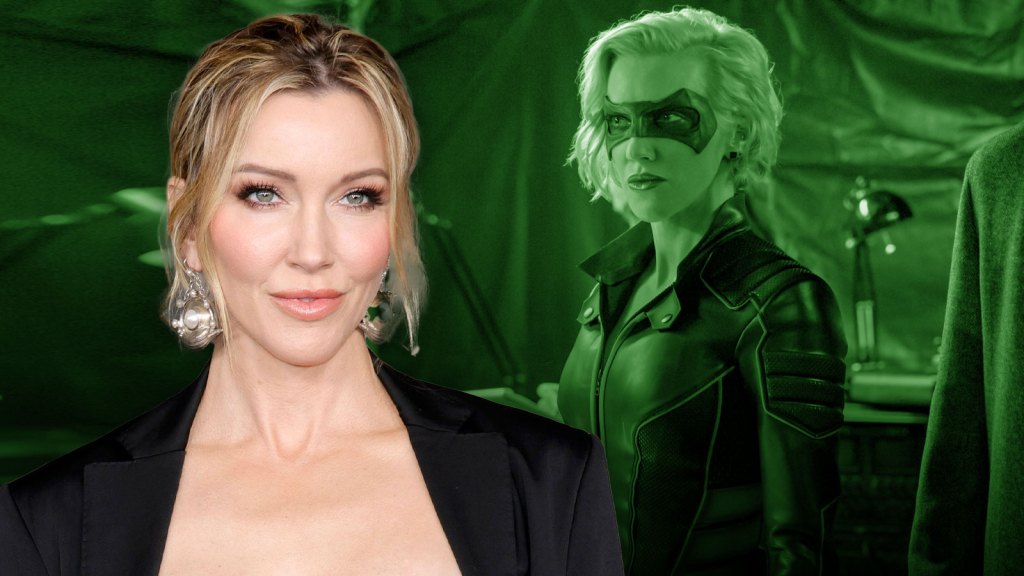
Katie Cassidy Opens Up About the Political Fallout of Her ‘Arrow’ Exit
In a candid discussion, Katie Cassidy, known for her role as Laurel Lance in the hit series ‘Arrow,’ recently laid bare her feelings regarding the controversial decision to kill off her character. In her exclusive interview, she articulated the emotional turmoil she experienced and hinted at underlying political motivations that influenced the storyline. This revelation sheds light on the often tumultuous relationship between actors and the creative decisions made in the television industry, particularly in the realm of superhero narratives.
The Initial Reaction: Anger and Disappointment
When Cassidy first learned about her character’s demise, her reaction was one of anger. “I felt betrayed,” she shared. Many fans of ‘Arrow’ were equally shocked by the turn of events, as Laurel Lance had been a pivotal character since the show’s inception. Cassidy’s performance resonated with audiences, making her exit all the more jarring.
“It wasn’t just about losing a job; it was about losing a part of myself that I had invested so much into,” she expressed. The emotional weight of her character’s journey, which included significant growth and development, made the narrative decision particularly hard to swallow. Cassidy’s frustration was palpable as she delved into the intricacies of character arcs in contemporary television.
The Political Dimension of Character Arcs
As Cassidy reflected on her exit from ‘Arrow,’ she suggested that the decision may have been influenced by political motivations within the show’s hierarchy. “There are many layers to storytelling, and sometimes those layers are influenced by factors beyond the character or the actor,” she noted. The complexities of character arcs can often intertwine with the external pressures of network decisions, audience reception, and even behind-the-scenes politics.
In the competitive landscape of television, where shows vie for ratings and critical acclaim, decisions are frequently made that prioritize the overarching narrative or the network’s strategic interests. Cassidy’s insights point to a broader conversation about how such dynamics can impact character development and, ultimately, the story being told.
The Role of Female Characters in Superhero Narratives
Cassidy’s departure from ‘Arrow’ also brings to light a critical discussion about the representation and treatment of female characters in superhero narratives. Historically, female superheroes have often been sidelined or killed off, a trend that has sparked widespread criticism within the fandom and beyond.
“It’s frustrating to see that pattern repeating itself,” Cassidy remarked. “We need strong, complex female characters who can stand on their own and not just serve as plot devices.” Cassidy’s experience exemplifies a larger trend where female characters are frequently marginalized in favor of male counterparts, raising important questions about gender equality in storytelling.
- Character Depth: Female characters should be given the same depth and agency as their male counterparts.
- Representation: Diverse narratives can lead to richer storytelling, benefiting both audiences and creators.
- Industry Influence: The decisions made by showrunners should reflect a commitment to inclusivity and character integrity.
The Impact of Fan Reactions
Throughout her time on ‘Arrow,’ Cassidy developed a deep connection with the show’s fanbase. The immediate backlash following Laurel Lance’s death was a testament to this bond. Fans expressed their outrage across social media platforms, creating a dialogue that transcended the show itself. “Seeing the fans rally together was incredible,” Cassidy acknowledged. “It showed how much they cared about the character and the story.”
This fan engagement not only highlighted the importance of audience feedback but also underscored the power that viewers hold in shaping narratives. In many ways, Cassidy’s departure became a rallying point for discussions regarding character agency and the direction of superhero stories, leading to a broader discourse on the portrayal of women in media.
Lessons Learned and Moving Forward
In the aftermath of her exit from ‘Arrow,’ Cassidy has taken the opportunity to reflect on her journey and the lessons learned. “Every experience, no matter how difficult, teaches you something,” she stated. “I’ve grown so much from this, both as an actress and as a person.”
Her experience on ‘Arrow’ has equipped her with valuable insights that she hopes to carry into future projects. “I want to be part of stories that empower women and showcase their strength and complexities,” she said. This desire aligns with a growing movement in the industry toward more authentic and nuanced portrayals of female characters.
The Future of Television Storytelling
Cassidy’s reflections on her exit from ‘Arrow’ not only illuminate the personal challenges faced by actors but also highlight the broader implications for storytelling in the television industry. As the landscape evolves, there is a palpable shift towards more inclusive narratives that prioritize character integrity and audience engagement.
Writers and producers are increasingly recognizing the value of diverse voices and perspectives, leading to richer storytelling that resonates with viewers on multiple levels. Cassidy’s journey serves as a reminder of the importance of advocating for characters that reflect the complexities of real life, particularly in genres like superhero narratives that have a significant cultural impact.
Conclusion: A New Chapter
As Katie Cassidy moves forward from her ‘Arrow’ experience, she carries with her a wealth of knowledge and a renewed sense of purpose. Her insights into the political fallout of her character’s exit not only resonate with her personal journey but also contribute to a larger conversation about the evolution of television storytelling.
In an industry often marked by its challenges, Cassidy’s optimism and determination shine through. She remains committed to pursuing roles that inspire and empower, reflecting the changing tides of the television landscape. “I’m excited about the future,” she concluded. “There are so many stories left to tell, and I can’t wait to be a part of them.”
As audiences continue to demand richer, more inclusive narratives, Cassidy’s voice adds a valuable perspective to the ongoing dialogue about character representation and development in the entertainment industry.
See more CNET Live