
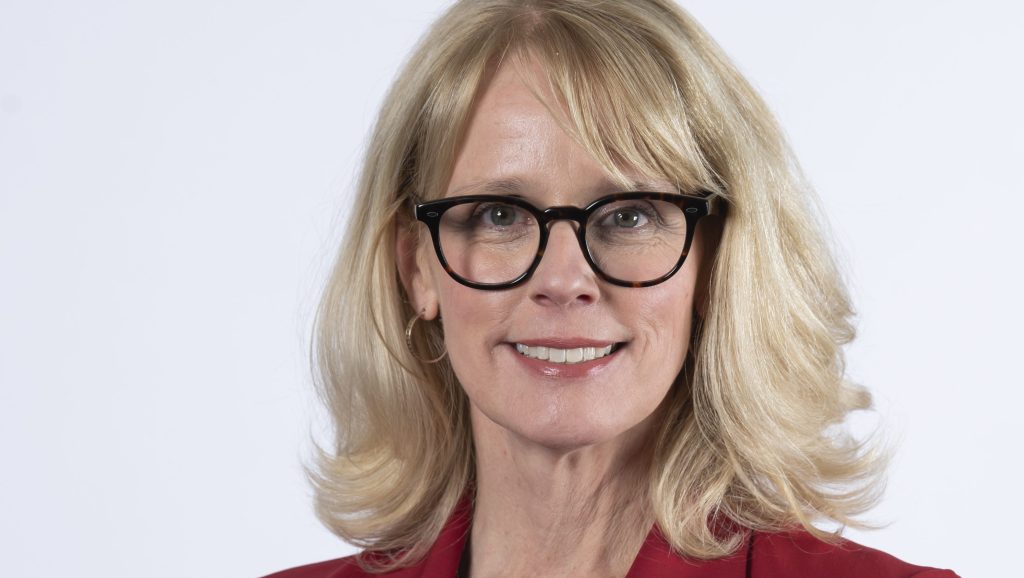
Kelly Day’s Ascension: A New Era for Prime Video
In a strategic move signaling Prime Video’s global ambitions, Kelly Day has stepped into an expanded international leadership role following Jennifer Salke’s departure. The transition, effective immediately, positions Day to oversee worldwide operations as the streaming giant doubles down on international content and market penetration. Industry analysts view this shift as critical for Amazon’s bid to compete with Netflix and Disney+ in the increasingly crowded streaming landscape.
A Strategic Leadership Shift
Kelly Day, previously Vice President of Prime Video International, now assumes broader responsibilities, including content acquisition, original programming, and regional expansion. Her promotion comes as Prime Video seeks to capitalize on its $465 million investment in international content in 2023—a 34% increase from the previous year. Day’s deep expertise in global markets, honed during her tenure at Scripps Networks and Discovery Communications, makes her a natural fit for the role.
“Kelly’s ability to navigate diverse markets and her track record in scaling streaming services internationally are unparalleled,” says media analyst Rebecca Cole of Bernstein Research. “This move suggests Amazon is prioritizing localized content to drive subscriber growth outside the U.S.”
The Global Streaming Wars Heat Up
Prime Video’s leadership overhaul reflects the intensifying battle for global dominance in streaming. Key competitors have made significant strides:
- Netflix leads with 260 million subscribers worldwide, 60% of whom are outside the U.S.
- Disney+ has aggressively expanded its EMEA and APAC footprint, adding 46 million international subscribers since 2020.
- Prime Video, while boasting 200 million subscribers, trails in non-English-language originals compared to rivals.
Day’s appointment signals a shift toward remedying this gap. Under her leadership, Prime Video recently greenlit 20 new international series, including a high-budget Spanish thriller and an Indian cricket documentary. “The future of streaming isn’t just about Hollywood hits,” Day remarked in a recent internal memo. “It’s about telling stories that resonate locally while appealing globally.”
Challenges and Opportunities Ahead
Despite Prime Video’s vast resources, Day faces hurdles. Regional competitors like Germany’s Joyn and India’s JioCinema have entrenched audiences. Moreover, profitability remains elusive for many global streaming ventures due to high production and licensing costs.
However, analysts highlight Prime Video’s unique advantages:
- Bundling: Ties to Amazon Prime’s 200 million members provide a built-in subscriber base.
- Infrastructure: Amazon’s cloud and logistics networks streamline content distribution.
- Data: Viewer insights from Amazon’s e-commerce platform can inform content decisions.
Industry Reactions and Future Outlook
While some question whether Day’s promotion will lead to a more fragmented content strategy, others argue it’s a necessary evolution. “Streaming can’t be a one-size-fits-all model anymore,” notes entertainment consultant Mark Loughrey. “Kelly’s focus on hyper-localized content could be Prime Video’s differentiator.”
Looking ahead, Day’s priorities are clear:
- Boost international originals by 40% by 2025.
- Strengthen partnerships with regional studios and creators.
- Leverage Amazon’s ad-supported tier to monetize emerging markets.
As the streaming wars enter their next phase, all eyes will be on whether Day’s vision can translate into sustained growth—and whether Prime Video can finally close the gap with Netflix. For now, the message is clear: Amazon is betting big on going global.
What’s next? Follow our Streaming Wars series for updates on how Day’s strategy unfolds in key markets like Japan, Brazil, and Nigeria.
See more CNET Live