
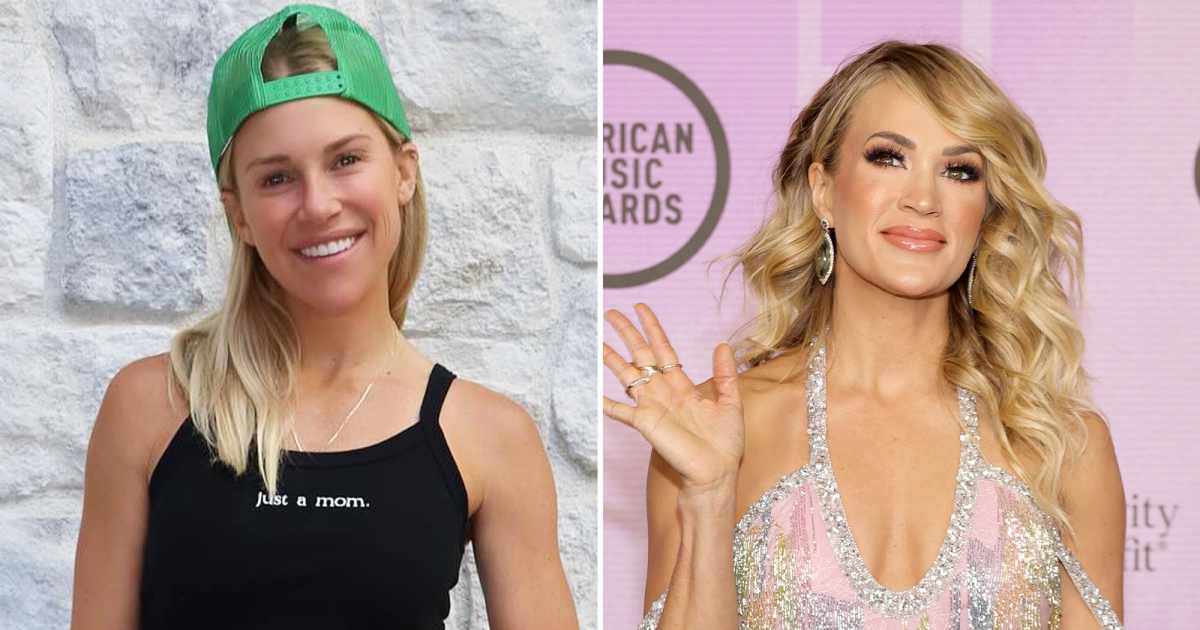
Kelly Stafford Stands Up for Carrie Underwood: A Defense of Artistic Expression
In recent events surrounding the inauguration, Carrie Underwood’s performance has sparked a wave of mixed reactions, reflecting the broader discourse on the role of celebrity in significant national moments. Amid this backdrop, Kelly Stafford, wife of NFL quarterback Matthew Stafford, has stepped forward to defend Underwood, emphasizing the vital role that artistic expression plays in such occasions. This article delves into the context of Underwood’s performance, Stafford’s defense, and the intricate relationship between celebrity culture, politics, and public sentiment.
The Significance of Inaugural Performances
Inaugural performances are not merely entertainment; they are symbolic moments that reflect the ethos of a nation. They embody the spirit of unity, hope, and the promise of a new beginning. Artists like Underwood carry the weight of public expectation, which can be both a privilege and a burden. As the nation tunes in, these performances become a collective experience that transcends individual opinions.
Kelly Stafford highlights that, at such pivotal moments, the performance becomes a canvas for artistic expression. This expression can take many forms, from the poignant lyrics of a song to the visual elements of a stage design. In Underwood’s case, her choice of songs and the emotional depth she brings to her performance resonate deeply with audiences who seek connection in uncertain times.
Kelly Stafford’s Perspective
In the wake of the polarized responses to Underwood’s performance, Kelly Stafford took to social media to articulate her thoughts. She pointed out that while not everyone may resonate with Underwood’s style or message, it is essential to recognize the effort and heart that artists pour into their craft. Stafford emphasized that art often serves as a reflection of societal sentiments, and performers like Underwood play a crucial role in voicing those feelings.
“Art is subjective, and we must respect the diversity of expression,” Stafford wrote. This statement underscores a significant aspect of artistic performances—what resonates with one person may not resonate with another. However, the freedom to express oneself through art is foundational to a democratic society.
The Intersection of Celebrity and Politics
As public figures, celebrities often find themselves navigating the complex intersection of politics and artistry. Carrie Underwood, a country music icon, is no stranger to this dynamic. Her performances often carry undertones of social commentary and reflect the values she holds dear. However, this openness to engage with political themes can invite scrutiny and criticism from various factions of the public.
- Artistic Freedom: Celebrities like Underwood utilize their platforms to address significant issues and share their perspectives with a broad audience.
- Public Expectations: Fans often have specific expectations based on an artist’s previous work, which can lead to disappointment if those expectations are not met.
- Political Climate: The political environment can shape how a performance is received, as audiences may project their views onto the artist’s work.
Stafford’s defense of Underwood emphasizes the importance of allowing artists the freedom to express themselves, regardless of public opinion. In times of division, these performances can serve as unifying moments, allowing audiences to come together, even if just for the duration of a song.
Mixed Reactions: A Reflection of Society
The mixed reactions to Underwood’s performance at the inauguration highlight a broader societal trend where art and politics collide. Some viewers praised her for her emotional delivery and the choice of songs that resonated with themes of resilience and hope. Others, however, criticized the performance as being out of touch or overly sentimental.
This spectrum of opinions showcases the diverse perspectives that exist within a population. It is a testament to the fact that art is not created in a vacuum; it is influenced by the sociopolitical climate and the personal experiences of both the artist and the audience. Kelly Stafford’s defense serves as a reminder that while we may not all agree on the effectiveness of an artistic expression, the dialogue it sparks is invaluable.
Art as a Catalyst for Conversation
Art has the unique ability to provoke thought, inspire change, and foster conversation. In the context of inaugural performances, this role becomes even more pronounced. As citizens engage with the performance, they often reflect on their beliefs, hopes, and fears for the future. The discussions that arise from these moments can lead to greater understanding and empathy among individuals with differing viewpoints.
Stafford’s advocacy for Underwood emphasizes the importance of creating a space where artists can express their truth without fear of backlash. In doing so, she calls upon audiences to embrace the diversity of artistic expression and engage with it in a constructive manner. This approach can pave the way for richer conversations about the state of the nation and the role of art within it.
Conclusion: The Power of Artistic Expression
Kelly Stafford’s passionate defense of Carrie Underwood encapsulates a vital conversation about the role of artists in significant national events. In a time when divisions seem pronounced, performances like Underwood’s can serve as a reminder of our shared humanity and the power of artistic expression to unite us. The dialogue surrounding these performances is crucial; it encourages us to reflect not only on the art itself but also on the values and beliefs that shape our society.
Ultimately, the defense of artistic expression, as championed by Stafford, reinforces the notion that in a democracy, every voice matters. Whether one agrees with Underwood’s performance or not, the mere act of engaging in conversation about it highlights the importance of allowing art to flourish. After all, it is through these artistic endeavors that we can begin to bridge our differences and find common ground in our shared experiences.
See more CNET Live