
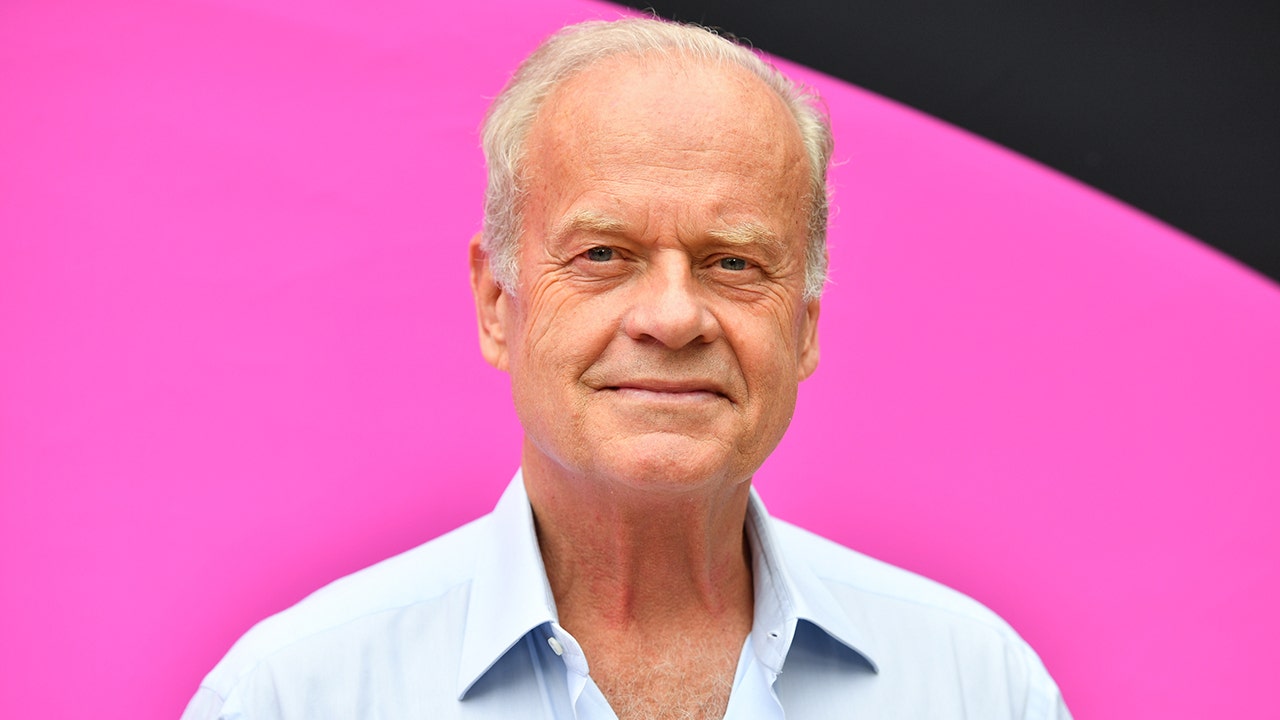
Kelsey Grammer: Hollywood’s Surprising Shift Toward Conservatism
In recent years, the entertainment industry has been characterized by a predominantly liberal narrative, often leaving little room for voices that espouse conservative values. However, Kelsey Grammer, the acclaimed actor known for his iconic roles in “Frasier” and “Cheers,” has made headlines by bringing attention to a surprising shift within Hollywood toward conservatism. This assertion not only challenges the status quo but also opens up an essential dialogue about the evolving landscape of cultural representation in the entertainment sphere.
The Changing Face of Hollywood
Hollywood has long been viewed as a bastion of liberalism, with many of its leading figures openly supporting progressive policies and candidates. However, as society becomes increasingly polarized, there seems to be a growing appetite for conservative viewpoints. Kelsey Grammer’s perspective is particularly noteworthy, as he asserts that conservative values are gaining traction among audiences and creators alike.
Grammer’s comments reflect a broader trend observed in various sectors of the entertainment industry, which includes:
- Increased Representation: There’s a noticeable uptick in productions that include conservative themes and characters, moving away from the traditional narratives that dominated the industry.
- Audience Demand: Viewers are beginning to express a desire for content that resonates with their values, leading to a shift in what studios are willing to produce.
- Changing Narratives: Many filmmakers are exploring stories that challenge progressive ideologies, creating a more balanced representation of diverse viewpoints.
Kelsey Grammer’s Journey and Insights
Kelsey Grammer’s journey within Hollywood has been marked by both triumph and adversity. His rise to fame came through his roles that often embodied a blend of humor and depth, showcasing his range as an actor. However, his personal experiences and beliefs have led him to embrace a more conservative viewpoint, which he is now vocal about.
In interviews, Grammer has emphasized the value of individualism, personal responsibility, and a strong work ethic—principles that resonate deeply within conservative circles. He believes that these values can lead not only to personal success but also to a more cohesive society. His stance has sparked conversations among peers in the industry, prompting many to reconsider their own beliefs and the narratives they promote.
The Implications for Future Productions
The implications of Grammer’s perspective are profound. As Hollywood begins to embrace a more diversified ideological spectrum, several potential outcomes may arise:
- New Storytelling Opportunities: With an increase in conservative themes, writers and directors may find fresh narratives that appeal to a wider audience, ultimately enriching the cinematic landscape.
- Broader Audience Engagement: By acknowledging and representing conservative values, productions may engage viewers who have felt alienated by the predominantly liberal content in the past.
- Shift in Industry Dynamics: The acceptance of diverse viewpoints could lead to a more balanced creative environment, fostering collaboration among artists with varying perspectives.
The Role of Social Media in Shaping Opinions
Social media has become a powerful tool for shaping public opinion and providing a platform for diverse voices. As Kelsey Grammer and others speak out about conservative values, social media allows these discussions to reach wider audiences. This dynamic has several implications:
- Amplified Voices: Conservative figures in Hollywood can leverage social media to share their views, gaining support and fostering dialogue.
- Audience Interaction: Engaging with viewers directly enables artists to understand audience needs better, facilitating the creation of content that resonates.
- Counter-Narratives: Social media provides a space for alternative narratives to flourish, challenging the dominant liberal discourse traditionally seen in Hollywood.
The Future of Cultural Representation
As Kelsey Grammer’s insights highlight, the shift toward conservatism in Hollywood could significantly alter the landscape of cultural representation. This evolution may lead to a more nuanced portrayal of characters and stories, reflecting the diverse beliefs and experiences of the audience. It raises important questions about how stories are told and who gets to tell them:
- Who Gets to Create? As conservative narratives become more visible, the industry must grapple with the question of representation in storytelling—who is given the platform to tell their stories?
- What Stories Are Worth Telling? The shift could lead to a reevaluation of what constitutes a “worthy” story in Hollywood—challenging the criteria that have traditionally been upheld.
- How Will Audiences Respond? The success of conservative-themed content will depend on the audience’s reception—will viewers embrace this new direction, or will it lead to further division?
Conclusion
Kelsey Grammer’s bold assertion regarding the rise of conservative values in Hollywood marks a pivotal moment in the entertainment industry. As the landscape shifts, it invites a reevaluation of cultural representation, storytelling, and audience engagement. The change may be gradual, but the implications are significant—potentially leading to a richer, more diverse narrative tapestry that reflects the multifaceted beliefs of society. As Hollywood evolves, it will be fascinating to observe how these dynamics shape the future of film and television, paving the way for a new era of storytelling that honors a broader spectrum of human experience.
See more CNET Live