
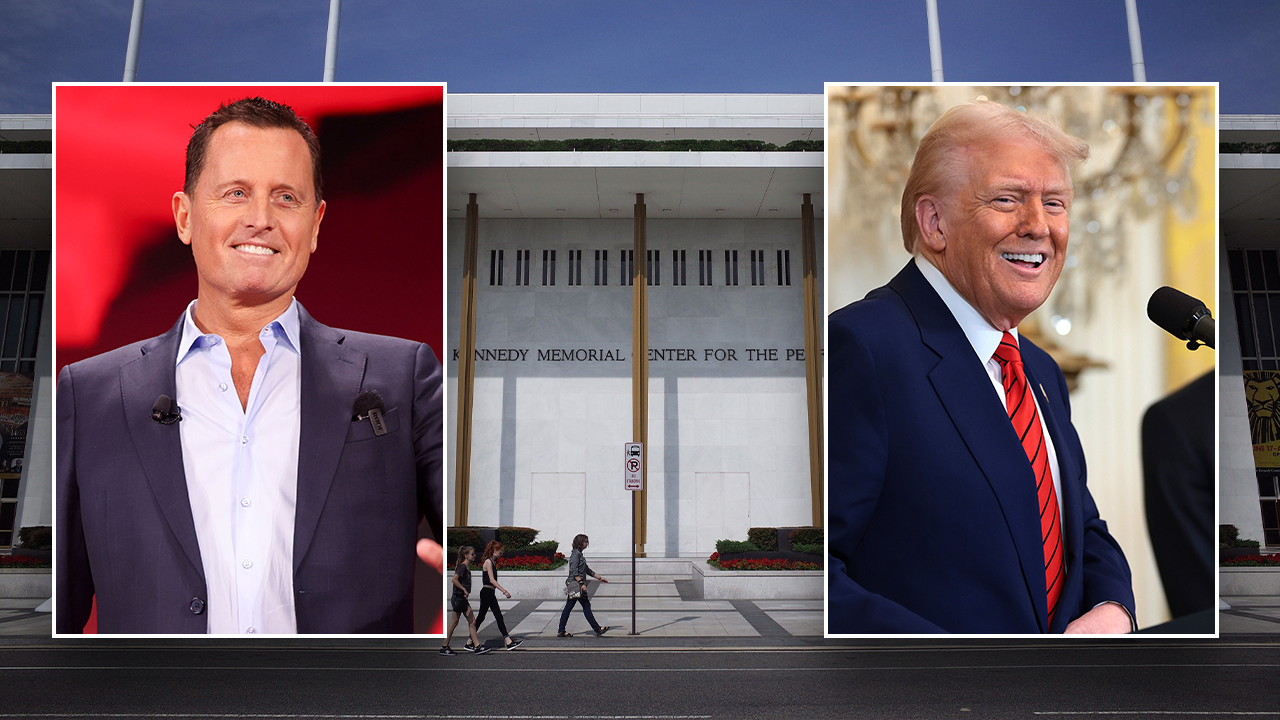
A New Era for the Arts: Transforming the Kennedy Center Under Trump’s Leadership and Ric Grenell’s Vision
The Kennedy Center has long been a beacon of artistic excellence and cultural significance in the United States. As we stand on the brink of a new chapter, significant leadership changes loom on the horizon, signaling a transformative period for this iconic institution. At the forefront of this evolution is Ric Grenell, whose ambitious vision promises to redefine the American arts landscape. With the influence of Donald Trump, the Kennedy Center is not just entering a new era; it is poised to usher in a potential ‘Golden Age’ for the arts.
The Current Landscape of the Kennedy Center
Established in 1971, the John F. Kennedy Center for the Performing Arts has been a cornerstone of American culture, showcasing a diverse range of performances from theater and dance to music and visual arts. However, like many institutions, it has faced challenges in recent years, including financial constraints, evolving audience demographics, and the need for modernization in both programming and outreach efforts.
Under previous leadership, the Kennedy Center made strides in expanding its programming and accessibility, but critics argue that it has not fully embraced the changing landscape of the arts in America. As audiences become more diverse and technology continues to reshape how art is consumed, the need for innovative leadership becomes paramount.
Ric Grenell: A Visionary Leader for the Arts
Ric Grenell, known for his role as the U.S. Ambassador to Germany and as a prominent political strategist, is set to bring a fresh perspective to the Kennedy Center. His leadership style is characterized by a boldness that aligns well with the needs of the arts in the current era. With a background that combines diplomatic experience and a strong understanding of media, Grenell is uniquely positioned to navigate the complexities of the arts sector.
Grenell’s vision for the Kennedy Center revolves around several key pillars:
- Increased Accessibility: One of Grenell’s primary goals is to make the Kennedy Center more accessible to diverse audiences. This includes expanding outreach programs and community engagement initiatives that resonate with underrepresented groups.
- Innovative Programming: He aims to diversify the programming to include a wider range of artistic expressions, catering to both traditional art forms and contemporary innovations.
- Leveraging Technology: Understanding the importance of technology in today’s world, Grenell plans to utilize digital platforms to enhance the audience experience and reach individuals who may not be able to visit the center physically.
Trump’s Influence on the Arts: A Controversial Yet Impactful Legacy
Donald Trump’s leadership has been a focal point of discussion across various sectors, including the arts. While his administration faced criticism for its stance on cultural funding and support, it also sparked conversations about the role of art in political discourse. Under Trump’s influence, the Kennedy Center is likely to experience a shift in priorities that could lead to both challenges and opportunities.
Some potential impacts of Trump’s leadership on the Kennedy Center include:
- Funding Opportunities: Trump’s administration may open doors for new funding avenues, particularly through private donations and partnerships with business leaders who align with his vision.
- National Pride in the Arts: A renewed focus on American culture and patriotism could inspire programming that celebrates national achievements and artistic heritage, appealing to a wider audience.
- Political Engagement: The Kennedy Center could become a platform for engaging in political conversations through art, hosting performances and events that reflect current societal issues.
The Promise of a ‘Golden Age’ for the Arts
As Grenell steps into his role, the potential for a ‘Golden Age’ in American arts is tantalizingly close. This era could be characterized by a flourishing of creativity, increased collaboration between artists and institutions, and a vibrant cultural dialogue that resonates across the nation.
Key components of this ‘Golden Age’ may include:
- Collaborative Projects: Grenell envisions partnerships between the Kennedy Center and other cultural organizations, fostering a spirit of collaboration that enhances artistic expression.
- Emergence of New Artists: By prioritizing emerging talent, the Kennedy Center could serve as a launchpad for the next generation of artists, ensuring a dynamic and evolving arts landscape.
- Cultural Diplomacy: With Grenell’s diplomatic experience, the Kennedy Center could play a pivotal role in cultural diplomacy, showcasing American art while also inviting international collaborations.
While the vision for transformation is ambitious, several challenges must be addressed. The arts sector is often at the mercy of political tides, and securing consistent funding is critical. Additionally, engaging a younger audience that is increasingly distracted by digital media requires innovative approaches to programming and outreach.
Moreover, the Kennedy Center will need to balance tradition with innovation, honoring its rich history while adapting to the contemporary cultural milieu. This delicate balancing act will be central to Grenell’s leadership as he seeks to redefine the center’s role in American culture.
Conclusion: A Transformative Future Awaits
The Kennedy Center stands on the precipice of a new era, one that promises to be marked by innovation, accessibility, and a renewed dedication to the arts. Under the leadership of Ric Grenell and the influence of Donald Trump, the center is positioned to become a transformative force in the American arts landscape.
As we look to the future, the potential for a ‘Golden Age’ is not just a dream—it is a tangible possibility. With a commitment to diversity, creativity, and cultural engagement, the Kennedy Center could indeed fulfill its promise as a national treasure, inspiring generations to come.
See more CNET Live