
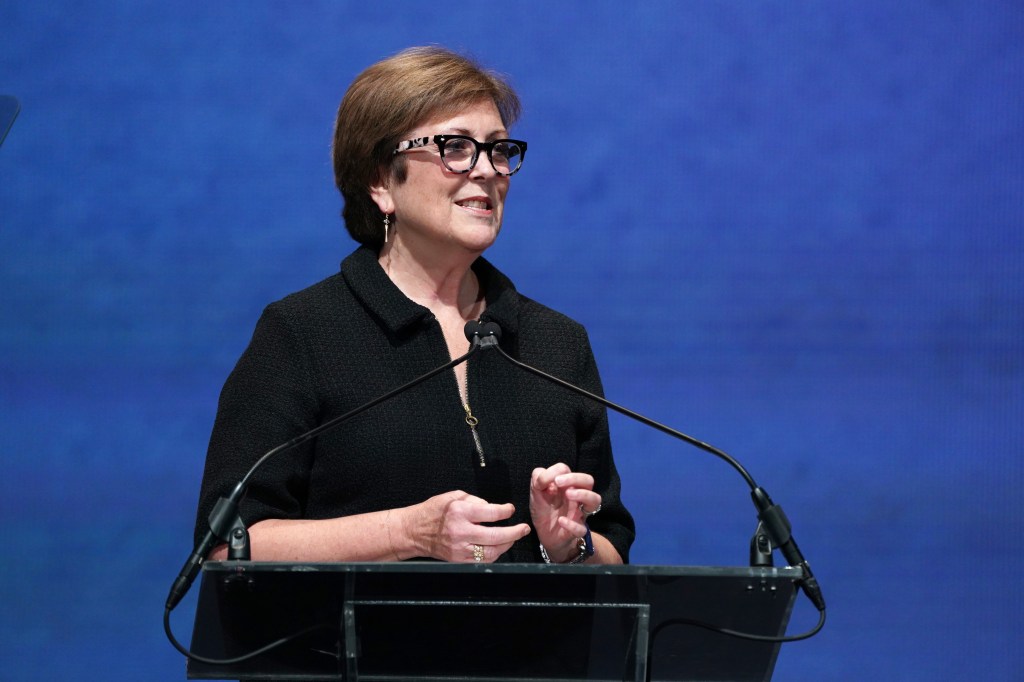
A New Era Begins: Kennedy Center’s Deborah Rutter Announces Departure
Deborah Rutter’s decision to step down as President of the Kennedy Center marks a significant transition for the renowned cultural institution. Her tenure has been characterized by innovative programming, outreach initiatives, and a commitment to the arts that has resonated deeply within the community. As she prepares to leave her role, discussions surrounding her impact and the future direction of the center have become increasingly prominent.
The Legacy of Deborah Rutter
Deborah Rutter took the helm of the John F. Kennedy Center for the Performing Arts in 2014, making history as the first woman to lead the institution. Under her leadership, the Kennedy Center has not only expanded its artistic offerings but has also become a beacon for community engagement and educational outreach. Rutter’s vision was clear: to make the arts accessible to everyone, regardless of their background or experience.
During her tenure, Rutter championed various initiatives that pushed the boundaries of traditional programming. The Kennedy Center’s efforts to present diverse voices in the arts were particularly noteworthy. Rutter’s focus on inclusivity led to the creation of innovative programs that spotlighted underrepresented artists and explored contemporary issues through performance.
- Expansion of Programs: Rutter oversaw the introduction of new series and performances that reflected a wide array of artistic disciplines, from theater and dance to classical music and visual arts.
- Community Engagement: She launched initiatives aimed at engaging local communities, including free performances and educational programs designed to inspire the next generation of artists.
- Digital Innovation: Under her leadership, the Kennedy Center embraced digital platforms, making performances accessible to a global audience and adapting to challenges posed by the pandemic.
Impact on the Arts Community
Rutter’s influence extended beyond the walls of the Kennedy Center. Her collaborative spirit fostered partnerships with various arts organizations, both locally and nationally. This not only enriched the programming at the Kennedy Center but also invigorated the broader arts community. Rutter’s leadership style emphasized collaboration, understanding that the arts thrive in an ecosystem of shared resources and ideas.
One of Rutter’s most significant achievements was the establishment of the Kennedy Center’s Arts Across America series, which highlighted the vibrant arts scene across the United States. This initiative underscored her belief in the power of the arts as a unifying force and a critical component of American culture.
The Future of the Kennedy Center
As Deborah Rutter prepares to step down, discussions about the future direction of the Kennedy Center are at the forefront. The question on many minds is, “What’s next?” The new leadership will inevitably face the challenge of maintaining the momentum that Rutter has built while also navigating the evolving landscape of the arts in a post-pandemic world.
While the search for Rutter’s successor is underway, several key areas will likely shape the Kennedy Center’s future:
- Adapting to Change: The arts sector has been profoundly affected by the COVID-19 pandemic, leading to new ways of engaging audiences. The incoming leadership will need to prioritize adaptability and innovation.
- Fostering Inclusivity: Continuing Rutter’s commitment to inclusivity will be essential. The new president will need to ensure that diverse voices are not only represented but celebrated.
- Strengthening Community Ties: The Kennedy Center must maintain and expand its role as a community hub, engaging local residents and offering programs that resonate with their experiences.
Reflections from the Arts Community
As news of Rutter’s departure spreads, many arts leaders and community members have expressed their reflections on her impactful leadership. Renowned artists and directors have praised her for her vision and dedication to the arts. They highlight how she has not only transformed the Kennedy Center but has also inspired countless individuals to engage with the performing arts.
For instance, a prominent director noted, “Deborah Rutter didn’t just lead the Kennedy Center; she redefined what it means to be a cultural institution in the 21st century. Her commitment to inclusivity and innovation has set a standard for all of us.” Such sentiments reflect a widespread appreciation for Rutter’s contributions and the profound mark she leaves on the arts community.
Looking Ahead
The announcement of Rutter’s departure has undoubtedly stirred a mix of emotions—gratitude for her accomplishments and anticipation for what lies ahead. As the Kennedy Center enters this new chapter, it is essential to remember that change can lead to growth and new opportunities. The arts have always been about evolution, and this moment is no different.
Potential candidates for Rutter’s role will need to bring a fresh perspective while respecting the foundation she has built. They will have to navigate the complexities of a changing cultural landscape while upholding the Kennedy Center’s mission to serve as a national center for the performing arts.
In conclusion, Deborah Rutter’s decision to step down as President of the Kennedy Center represents both an end and a beginning. Her legacy will undoubtedly influence the center for years to come, inspiring future leaders to continue championing the arts and fostering a vibrant, inclusive cultural landscape. As we look to the future, one thing is certain: the Kennedy Center will continue to be a vital part of America’s artistic fabric, evolving and adapting to meet the needs of its community and the nation.
See more CNET Live