
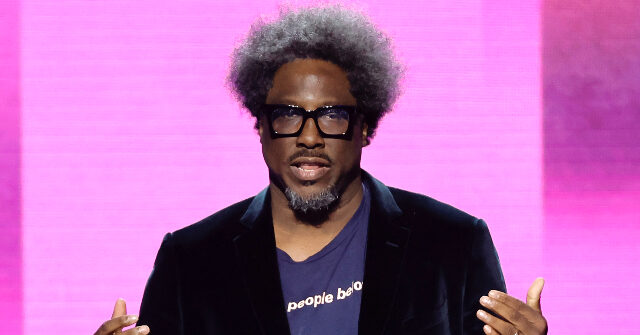
Artists and Celebrities Take a Stand: The Kennedy Center’s Protest Wave Against Trump
In a striking display of solidarity, a growing number of artists and celebrities have chosen to cancel their performances at the esteemed Kennedy Center. This movement serves as a bold act of protest against former President Donald Trump, reflecting significant shifts in the cultural landscape of America. It sparks not only conversations about art and politics but also highlights the power of public figures to influence societal norms and values.
The Rise of Cultural Activism
The intersection of art and politics is not a new phenomenon. Throughout history, artists have used their platforms to voice dissent and advocate for change. However, the recent wave of cancellations at the Kennedy Center marks a pivotal moment in this ongoing dialogue. Artists are increasingly recognizing their influence and are willing to leverage it for causes they believe in.
Several high-profile figures have been at the forefront of this protest. The likes of Lin-Manuel Miranda, Lady Gaga, and Robert De Niro have made headlines by withdrawing from scheduled performances. Their actions resonate with a broader sentiment among artists who feel that their work and personal beliefs are incompatible with the political climate fostered during Trump’s presidency.
Understanding the Motivations
But what exactly drives these artists to take such a public stance? The motivations can be multifaceted:
- Political Discontent: Many artists feel that Trump’s policies and rhetoric undermine fundamental democratic values. Issues such as immigration reform, environmental policies, and social justice have spurred outrage among creatives who believe in a more inclusive and equitable society.
- Personal Connection: For some artists, the stakes are personal. Many come from marginalized communities that have been disproportionately affected by the Trump administration’s policies. Their art often reflects the struggles of these communities, making it difficult for them to perform in venues that seem to endorse a contradictory political stance.
- Solidarity with Peers: The entertainment industry is interconnected. When one artist takes a stand, it often encourages others to follow suit. This camaraderie fosters a collective movement that amplifies their individual voices.
The Kennedy Center’s Role
The Kennedy Center, as a national cultural institution, finds itself at the center of this storm. Founded to celebrate and promote the performing arts, it has a responsibility to reflect the values and sentiments of the artists it hosts. The decision by artists to cancel their performances is not only a personal statement but also a challenge to the institution to reconsider its political affiliations and the messages it conveys.
The Kennedy Center has historically been a platform for diverse artistic expressions, and this recent wave of protests poses a dilemma: should it remain a neutral ground, or should it take a stand against political figures whose actions are perceived as harmful? This question is further complicated by the center’s reliance on public funding and private donations, which can be influenced by the political landscape.
The Impact on the Arts Community
This protest wave has stirred discussions within the broader arts community. Many artists are now contemplating their own roles in the political sphere. Some are inspired to create works that directly address social issues, while others are examining their relationships with institutions that may not align with their values.
- Increased Activism: Artists are increasingly using their platforms to raise awareness about social justice issues, engage in community organizing, and support various causes through their art.
- Redefining Success: The traditional measures of success in the arts—such as ticket sales and awards—are being reevaluated. Many artists now prioritize social impact over commercial success.
- Building New Alliances: The protest has also led to collaborations among artists, activists, and organizations dedicated to social change, creating a more unified front against perceived injustices.
Broader Cultural Implications
The actions taken by these artists are indicative of a larger cultural shift. The willingness to engage in political discourse is becoming a norm rather than an exception among public figures. This trend challenges the long-standing notion that artists should remain apolitical or neutral.
Moreover, this movement is inspiring a new generation of artists and audiences. Young creatives are increasingly aware of the social responsibilities that come with their art. They are using their voices to advocate for change, whether through social media, community projects, or performances that address contemporary issues.
The Role of Social Media
In today’s digital age, social media plays a crucial role in shaping public opinion and mobilizing support. Artists are using platforms like Twitter, Instagram, and TikTok to express their views and reach wider audiences. These platforms allow them to connect directly with fans, fostering a sense of community around shared values.
- Amplifying Voices: Social media enables artists to amplify their messages and reach sympathetic audiences quickly.
- Creating Dialogue: Online platforms encourage discussions about art, politics, and social issues, engaging fans in conversations that transcend traditional boundaries.
- Building Movements: Social media has been instrumental in organizing protests, fundraisers, and awareness campaigns, demonstrating the power of collective action.
Conclusion: A New Era for Artists and Celebrities
The decision by artists and celebrities to cancel performances at the Kennedy Center in protest against Donald Trump marks a significant moment in the ongoing relationship between art and politics. As this wave of activism continues to grow, it highlights the importance of artistic expression as a form of social commentary. Artists are taking a stand, using their influence to advocate for change, and inspiring others to do the same.
Ultimately, this movement reflects a broader cultural shift towards accountability and activism. As artists redefine their roles within society, the intersection of creativity and politics will likely continue to evolve, forging new paths for engagement and expression. The Kennedy Center, and other cultural institutions alike, may need to adapt to this changing landscape, recognizing that the voices of artists are not just for entertainment but also for enlightenment and advocacy.
See more CNET Live