
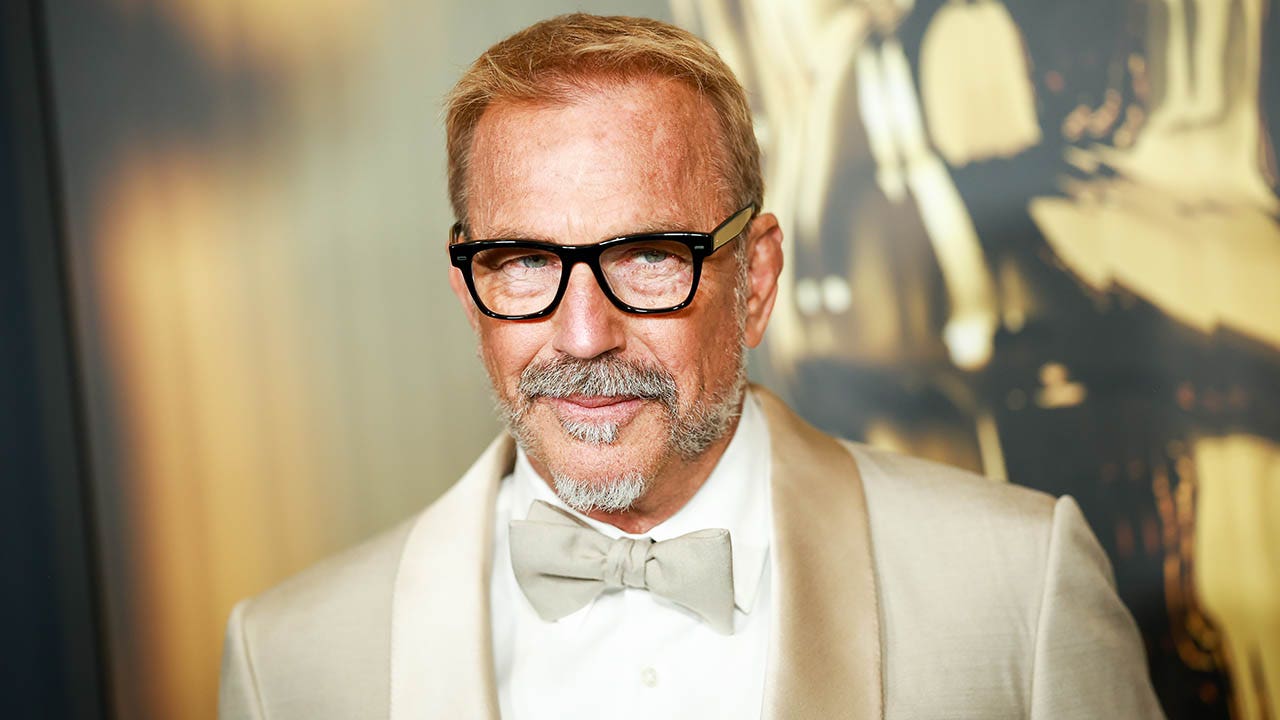
Kevin Costner’s Bold Stance: The Politics of Filmmaking Unveiled
In a recent interview, celebrated actor and filmmaker Kevin Costner made waves by challenging the widespread belief that politics heavily influences the film industry. His bold stance brings to light the ongoing debate about the intersection of art and politics, inviting audiences to reconsider the true essence of filmmaking. Costner argues that at its core, filmmaking transcends political affiliations, focusing instead on the art of storytelling and creativity.
Understanding Costner’s Perspective
Costner’s assertion that filmmaking should remain an apolitical endeavor is not merely a reflection of personal belief; it stems from his extensive experience in the industry. With iconic films like “Dances with Wolves,” “The Bodyguard,” and “Field of Dreams” under his belt, Costner has witnessed firsthand how the creative process can be overshadowed by external pressures, including political commentary and societal expectations.
In his interview, Costner emphasized the importance of storytelling as the backbone of cinema. He stated that filmmakers should prioritize crafting compelling narratives that resonate with audiences rather than allowing political agendas to dictate their work. This perspective aligns with the traditional view of cinema as an art form, one that should evoke emotions, provoke thought, and transport viewers into different worlds.
The Historical Context of Politics in Film
To fully appreciate Costner’s stance, it’s essential to explore the historical context in which films have been produced. Throughout cinematic history, filmmakers have often grappled with the influence of politics. From the social commentaries in films of the 1960s—like “Bonnie and Clyde” and “The Graduate”—to the politically charged narratives of modern blockbusters, the relationship between film and politics has been complex and multifaceted.
However, there have also been periods when filmmakers sought to distance their work from political ideologies, focusing instead on universal themes of love, loss, and redemption. Costner’s films often embody these timeless narratives, appealing to a broad audience regardless of political affiliation. In this sense, his bold stance advocates for a return to these core storytelling values.
Audience Reception and Expectations
Another critical aspect of Costner’s argument lies in audience expectations. Viewers often bring their own political biases into the cinema, which can shape their interpretation of a film. Costner urges audiences to approach films as standalone pieces of art, rather than as vehicles for political discourse.
- Understanding the Narrative: Costner believes that audiences should focus on the narrative itself, rather than the political undertones that might be present.
- Emotional Connection: By prioritizing storytelling, filmmakers can foster deeper emotional connections with their viewers, transcending political divides.
- Encouraging Open Dialogue: Costner hopes that by separating art from politics, audiences can engage in healthier discussions about the themes presented in films.
The Role of Filmmakers in Society
While Costner’s perspective is compelling, it raises questions about the role of filmmakers in society. Can filmmakers truly remain apolitical in a world where social issues are prevalent? Or should they embrace their platform to raise awareness about important topics? This tension between artistry and activism is a recurring theme in discussions about the film industry.
Many filmmakers, including directors like Ava DuVernay and Spike Lee, have used their films as a means to address pressing social issues, highlighting injustices and sparking conversations about race, gender, and inequality. These filmmakers argue that cinema can be a powerful tool for social change, enabling audiences to confront uncomfortable truths and consider new perspectives.
Finding a Balance: Art vs. Activism
Costner’s bold stance invites us to ponder where the line should be drawn between art and activism. Is it possible for a filmmaker to create art that resonates on a personal level while also addressing significant political issues? Many would argue that the best films often do both—crafting intricate narratives that reflect societal realities without sacrificing artistic integrity.
As viewers, we have the power to elevate films that challenge the status quo while also celebrating those that focus purely on storytelling. This duality enriches the cinematic landscape, allowing for a diverse array of voices and visions. Filmmakers can choose to engage with politics or to create art that stands apart from it, and both paths can yield profound results.
Conclusion: The Future of Filmmaking
Kevin Costner’s bold stance on the politics of filmmaking prompts a necessary dialogue about the role of art in society. By advocating for storytelling as the essence of cinema, he encourages filmmakers and audiences alike to reflect on their individual motivations and expectations. While politics may inevitably seep into the fabric of filmmaking, it is crucial to recognize the power of storytelling as a fundamental human experience.
As the film industry continues to evolve, the challenge remains: how do we honor the artist’s vision while also addressing the pressing issues of our time? Costner’s perspective serves as a reminder that amidst the chaos of political discourse, the heart of filmmaking lies in its ability to tell compelling stories that resonate with all of us. By embracing this philosophy, filmmakers can create works that transcend political divides, inviting audiences to connect with the narratives that bind us together as human beings.
See more CNET Live