
Introduction
In the world of television, few series have made as significant an impact as Yellowstone. The show, which premiered in 2018, has garnered a massive following and critical acclaim, largely thanks to its compelling storytelling, rich character development, and the star power of Kevin Costner. However, behind the glitz and glamour lies a more vulnerable side of the celebrated actor. During the initial table read for Yellowstone, Costner openly shared his fears and anxieties about the project, revealing the emotional stakes that come with such a high-profile role. This candid moment not only underscores Costner’s human side but also provides a deeper understanding of the pressures faced by actors in the industry.
Kevin Costner: A Legacy of Performance
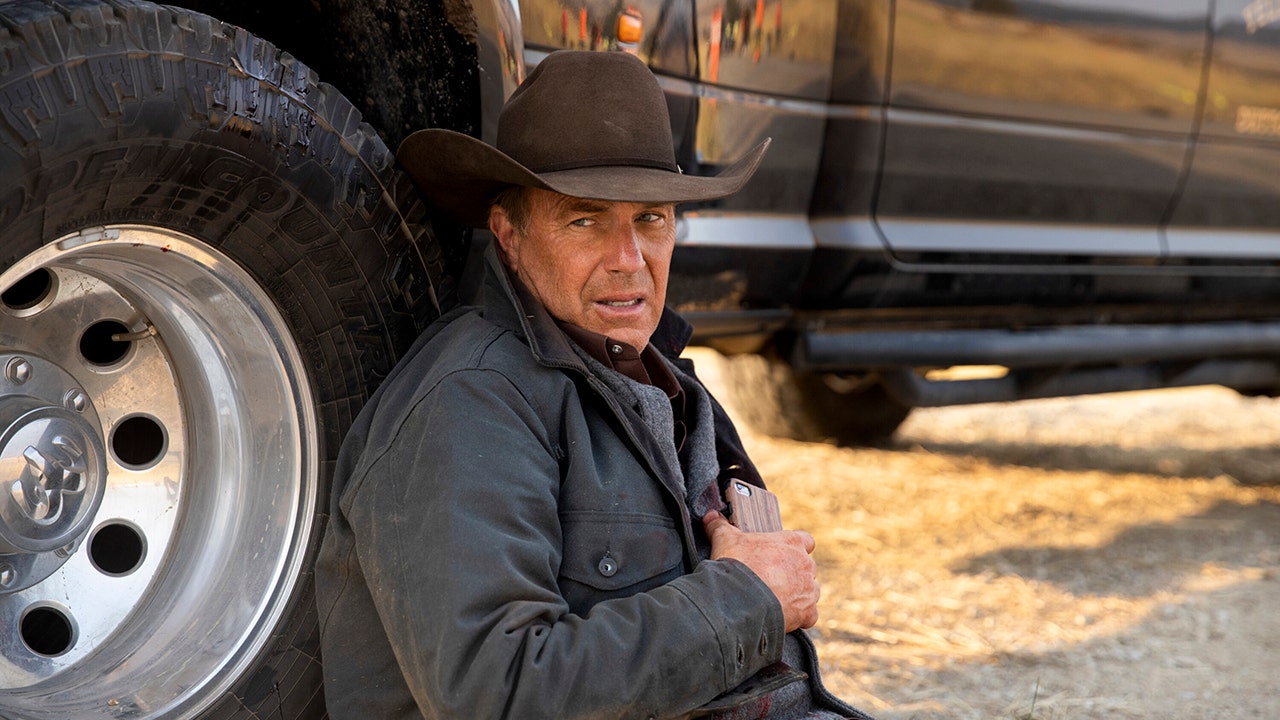
Kevin Costner has built a remarkable career over several decades, starring in iconic films such as Dances with Wolves, Field of Dreams, and Robin Hood: Prince of Thieves. His transition from film to television with Yellowstone marked a significant turning point in his career. As the patriarch of the Dutton family, Costner portrays John Dutton, a complex character grappling with the challenges of family loyalty, land ownership, and the ever-present threat of modernity encroaching on the traditional ways of life in Montana.
This role is not just another part for Costner; it’s a deep dive into a character that resonates with themes of loss, legacy, and the struggle for identity. Given Costner’s illustrious career, the expectations were sky-high, and during the table read, he expressed his concerns about living up to the audience’s expectations and delivering a performance that honors the depth of the character.
The Emotional Weight of Acting
Acting is often seen as a glamorous profession, but it comes with its own set of challenges, particularly for actors stepping into roles that demand emotional vulnerability. Costner’s fears during the table read reflect the reality many actors face: the pressure to embody a character authentically while also meeting the expectations of fans and critics alike.
Some of the key emotional challenges he faced included:
- Fear of Failure: Costner’s extensive experience does not exempt him from the universal fear of not meeting expectations. Every new project carries the weight of previous successes and failures.
- Character Connection: The need to connect with John Dutton on a personal level. Understanding the character’s motivations and struggles is essential for a believable performance.
- Impact on Legacy: As a seasoned actor, Costner is acutely aware of how each role contributes to his legacy. The thought of how Yellowstone might shape his career loomed large in his mind.
The Significance of the Table Read
The table read is a crucial step in the production process, serving as an opportunity for the cast to come together and hear the script aloud for the first time. It sets the tone for the series and allows actors to explore their characters in a collaborative environment. For Costner, this was a moment of raw honesty where he could confront his fears in front of his peers, fostering a sense of camaraderie among the cast.
During this session, Costner’s vulnerability likely resonated with other cast members, who may have faced their own insecurities about the project. Such moments of openness can strengthen the bond between actors, fostering a collaborative atmosphere that is essential for a successful production.
Broader Implications in the Industry
Costner’s candidness about his fears at the table read highlights broader issues within the entertainment industry, particularly regarding mental health and the pressures faced by actors. As the industry evolves, there is a growing recognition of the importance of mental health support for performers. The stress of public scrutiny, coupled with the demands of portraying complex characters, can take a toll on an actor’s well-being.
Some implications include:
- Changing Industry Norms: The conversation around mental health in Hollywood is shifting, with more actors openly discussing their struggles.
- Support Systems: Productions are increasingly recognizing the need for mental health resources and support systems for their cast and crew.
- Encouraging Vulnerability: By sharing their fears, actors can encourage a culture of vulnerability and openness, fostering a healthier work environment.
The Impact of Yellowstone on Television
Yellowstone has undoubtedly made a significant impact on television, revitalizing the Western genre and drawing attention to issues related to land ownership, family dynamics, and cultural heritage. The series has sparked discussions about the American West, its history, and its contemporary relevance, particularly in light of environmental concerns and the tensions between tradition and modernity.
Furthermore, the success of Yellowstone has paved the way for a resurgence of interest in serialized storytelling, where character development and intricate plots take precedence over episodic formats. Costner’s portrayal of John Dutton serves as a cornerstone for this narrative, driving the show’s success and influencing subsequent projects within the genre.
Conclusion
Kevin Costner’s unfiltered fears during the initial table read of Yellowstone reveal the emotional complexities of acting and the pressures that accompany high-profile roles. His vulnerability not only humanizes the actor but also sheds light on the broader challenges faced by performers in the industry. As Yellowstone continues to captivate audiences, it serves as a reminder of the intricate dance between fear and artistry, showcasing how personal struggles can lead to powerful performances that resonate with viewers. The legacy of Yellowstone will not only be defined by its storytelling but also by the authentic portrayals of its characters, driven in part by the very fears that make such performances relatable and profound.
See more CNET Live