
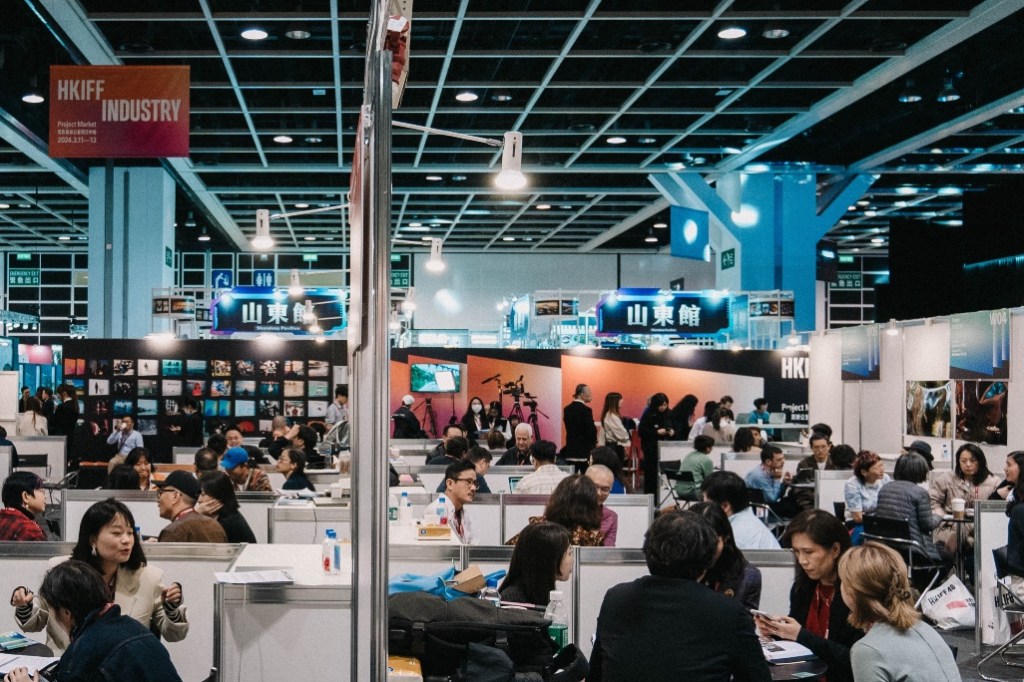
Behind the Scenes: Kore-Eda, Sengupta, and Pialat Collaborate on Innovative HAF Projects
The Hong Kong International Film Festival (HKIFF) has long been a beacon of cinematic innovation, and this year, it has stepped into the spotlight with groundbreaking development projects led by three renowned filmmakers: Hiroshi Kore-Eda, Rima Sengupta, and Maurice Pialat. Their collaboration under the Hong Kong Asia Film Financing Forum (HAF) is reshaping the landscape of contemporary cinema, offering fresh perspectives and narratives that resonate with audiences worldwide.
Visionary Filmmakers: A Brief Overview
Each of these directors brings a unique voice and style to the table, contributing to the rich tapestry of global cinema. Kore-Eda, known for his poignant storytelling and exploration of family dynamics, has captivated audiences with films like Shoplifters and After Life. His ability to blend realism with emotional depth has earned him critical acclaim and numerous awards.
Rima Sengupta, a rising star in the film industry, is celebrated for her innovative narratives that often challenge societal norms. Her works delve into the complexities of human relationships, making her a compelling voice in contemporary cinema.
Maurice Pialat, although not as active in recent years, is revered for his distinctive approach to filmmaking, characterized by an unflinching look at life’s raw truths. His classics, such as Under Satan’s Sun and Van Gogh, showcase his commitment to authenticity and emotional resonance.
The HAF: A Platform for Innovation
The Hong Kong Asia Film Financing Forum serves as a crucial platform for filmmakers seeking to develop and finance their projects. This year’s edition has witnessed a surge of creative collaborations, with Kore-Eda, Sengupta, and Pialat at the forefront. Their joint projects are not only innovative but also represent a fusion of diverse cultural influences, making them particularly noteworthy.
Collaborative Projects: A Glimpse into the Future
Behind the scenes, the collaboration between these filmmakers is characterized by a shared vision of pushing boundaries and exploring new storytelling techniques. Here are some highlights of their projects:
- Intercultural Dialogues: One of the most exciting aspects of their collaboration is the emphasis on intercultural dialogues. By bringing together narratives from Japan, India, and France, these filmmakers aim to create films that resonate on a universal level while highlighting regional nuances.
- Innovative Storytelling Techniques: Utilizing cutting-edge technology, the trio is exploring interactive storytelling methods that engage audiences in unique ways. This could involve immersive experiences that allow viewers to influence the narrative direction.
- Social Commentary: Each filmmaker has a penchant for social issues, and their projects are no exception. From familial bonds to societal expectations, their films promise to provoke thought and spark conversation, tackling themes that are relevant across cultures.
The Impact of Collaboration on Filmmaking
Collaboration in filmmaking can lead to remarkable outcomes. When visionaries like Kore-Eda, Sengupta, and Pialat come together, the fusion of their unique styles and perspectives can result in films that are both innovative and relatable. This is especially important in today’s globalized world, where audiences crave authentic stories that reflect diverse experiences.
Moreover, such collaborations often inspire upcoming filmmakers, showcasing the power of unity in creativity. By working together, these directors set a precedent for future generations, encouraging them to explore cross-cultural narratives and collaborative projects.
Challenges and Opportunities in the Film Industry
While the collaboration between Kore-Eda, Sengupta, and Pialat is exciting, it is not without its challenges. The film industry has faced numerous hurdles, especially in the wake of the COVID-19 pandemic. Here are a few challenges and the corresponding opportunities they present:
- Funding Issues: Securing funding for innovative projects can be daunting. However, platforms like HAF are crucial in providing filmmakers with the financial backing they need to bring their visions to life.
- Distribution Challenges: With the rise of streaming platforms, traditional distribution channels are evolving. This shift presents opportunities for filmmakers to reach broader audiences through digital platforms, thereby enhancing the visibility of their work.
- Cultural Sensitivity: Navigating cultural nuances is essential in cross-cultural collaborations. However, this challenge can lead to richer storytelling, as filmmakers learn from each other’s backgrounds and experiences.
The Future of Cinema: Embracing Change
The collaboration of Kore-Eda, Sengupta, and Pialat heralds a new era in cinema, one that embraces change and innovation. As they continue to develop their projects, the film community eagerly anticipates the outcomes of this unique partnership. By blending their distinct artistic voices, these filmmakers are poised to create works that not only entertain but also provoke thought and inspire dialogue.
Moreover, their efforts underscore the importance of supporting diverse narratives in cinema. In an increasingly interconnected world, stories that reflect a multitude of experiences are essential for fostering empathy and understanding among audiences.
Conclusion: A New Chapter in Filmmaking
As we look forward to the fruits of this innovative collaboration, it is clear that Kore-Eda, Sengupta, and Pialat are not just creating films; they are shaping the future of cinema. Their commitment to storytelling that transcends cultural boundaries and challenges societal norms will undoubtedly leave a lasting impact on audiences around the globe. The Hong Kong International Film Festival’s Industry section is not just a platform for showcasing talent; it is a space where the future of filmmaking is being forged, one visionary project at a time.
See more CNET Live