
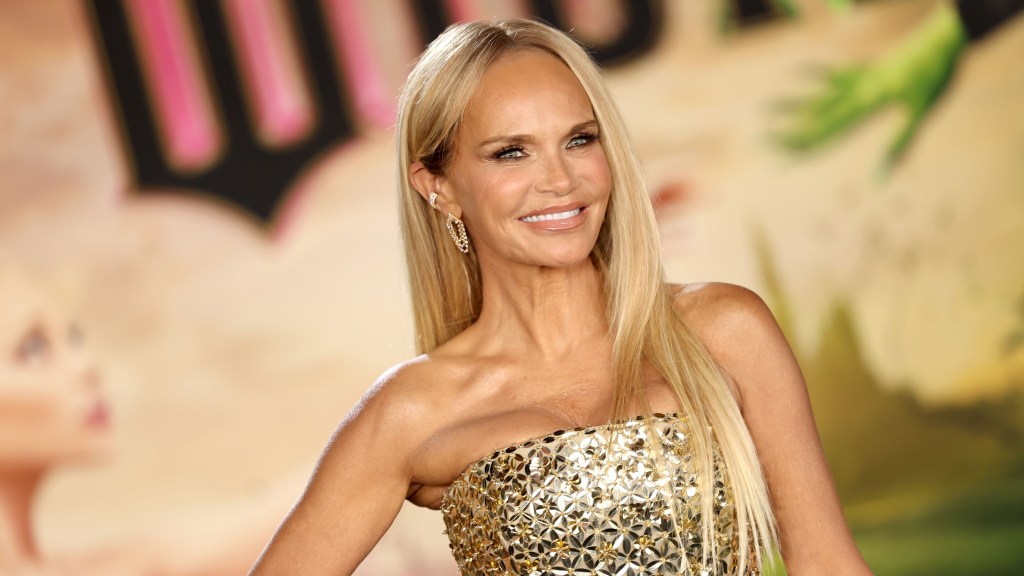
Kristin Chenoweth Defends ‘Wicked’ Amid One Million Moms Controversy
In a fervent display of support for the iconic musical “Wicked,” actress and singer Kristin Chenoweth has publicly addressed the recent backlash from the conservative group One Million Moms. This group has taken issue with certain themes and representations within the show, igniting a larger conversation about artistic expression, censorship, and inclusivity in the arts. Chenoweth’s remarks resonate not only with fans of the musical but also with advocates for creative freedom across various artistic disciplines.
The Heart of the Controversy
One Million Moms, an organization known for its campaigns against media they deem inappropriate, has voiced its concerns regarding “Wicked,” particularly focusing on its depiction of LGBTQ+ themes and societal challenges. Their arguments often stem from a desire to protect traditional values, but critics argue that such stances can lead to censorship, stifling artistic creativity and expression.
Chenoweth’s Stand for Artistic Expression
Kristin Chenoweth, who originated the role of Glinda in “Wicked,” has taken a firm stance against the backlash. In her response, she emphasized the importance of embracing diverse narratives and the transformative power of theatre. Chenoweth stated, “Art is meant to provoke thought, inspire dialogue, and foster understanding. We must not shy away from complexity but rather celebrate it.”
Her passionate defense highlights a crucial aspect of modern artistic endeavors: the balance between cultural sensitivity and creative freedom. As society evolves, so too do the narratives that artists choose to explore. Chenoweth’s remarks underscore the notion that art reflects the complexities of real life, including issues of identity, discrimination, and acceptance.
The Broader Implications of Censorship in the Arts
The discourse surrounding “Wicked” is emblematic of a larger trend in the arts where certain groups attempt to impose limitations on creative works. This phenomenon raises several important questions:
- Who gets to decide what is appropriate? Censorship often arises from a specific worldview, which can marginalize alternative perspectives.
- What are the consequences of censorship? Limiting artistic expression can lead to a homogenized culture that fails to represent the diversity of human experience.
- How does public sentiment shape the arts? Artists often navigate public opinion in their work, which can either enrich a piece or suppress its potential impact.
As Chenoweth points out, theatre has always served as a platform for underrepresented voices. By engaging with challenging themes, artists invite audiences to confront uncomfortable truths and foster empathy. Censorship, therefore, poses a risk not only to the individual artist but to society as a whole, as it curtails opportunities for meaningful dialogue.
Historical Context of Censorship in the Arts
Censorship in the arts is not a new phenomenon. Throughout history, artists have faced backlash for their work, whether it be literature, visual art, or performance. For instance:
- Henrik Ibsen’s “A Doll’s House” was controversial in its time for its critique of marriage and gender roles, leading to bans in several countries.
- Pablo Picasso’s “Guernica” faced criticism for its stark depiction of the horrors of war, challenging viewers to confront the impact of violence.
- Modern films and television shows continue to encounter pushback for their portrayals of race, gender, and sexuality, often drawing ire from conservative groups.
In each of these instances, the push against censorship has led to broader discussions about freedom of expression and the role of art in society. The controversy surrounding “Wicked” fits within this historical context, reaffirming that the struggle for artistic freedom is ongoing.
The Role of Social Media in Current Debates
The rise of social media has transformed the landscape of artistic discourse. Platforms like Twitter, Instagram, and TikTok allow artists and audiences to engage in real-time discussions, amplifying voices that may have been marginalized in traditional media. This democratization of conversation can also lead to swift backlash against perceived offensive content, placing additional pressure on artists to navigate public sentiment carefully.
In the case of “Wicked,” social media has played a pivotal role in mobilizing supporters and critics alike. Hashtags and trending topics can quickly draw attention to specific issues, creating a dynamic environment where artistic works are discussed, dissected, and sometimes attacked. While this can be empowering, it also raises concerns about the potential for mob mentality and the chilling effect it can have on creators.
Advocating for Inclusivity in the Arts
As Chenoweth advocates for inclusivity, it is essential to recognize the importance of representation in the arts. Diverse stories enrich our cultural landscape and foster understanding among different communities. The inclusion of LGBTQ+ themes in “Wicked” not only reflects contemporary societal issues but also provides a platform for dialogue on acceptance and love.
Moreover, the success of “Wicked” as a cultural phenomenon speaks to the audience’s desire for narratives that challenge the status quo. The musical has been praised for its complex characters and moral ambiguity, inviting viewers to explore the notions of good and evil beyond simplistic labels.
Conclusion: The Call for Courage in Artistic Expression
Kristin Chenoweth’s response to the One Million Moms controversy serves as a rallying cry for artists and advocates of free expression everywhere. It emphasizes the vital role of the arts in promoting dialogue, understanding, and compassion in an increasingly divided world. As the debate over censorship continues, it is essential for artists to stand firm in their commitment to tell diverse stories that reflect the complexities of human experience.
In a time when many artists face scrutiny for their work, Chenoweth’s passionate advocacy is a reminder that the arts must remain a space for exploration and expression. As audiences, we must support these endeavors, recognizing that the stories we engage with can shape our perceptions and inspire change.
Ultimately, the challenge lies in balancing sensitivity with the freedom to create. By fostering environments where diverse narratives can flourish, we can ensure that art continues to be a catalyst for growth, understanding, and change in society.
See more CNET Live