
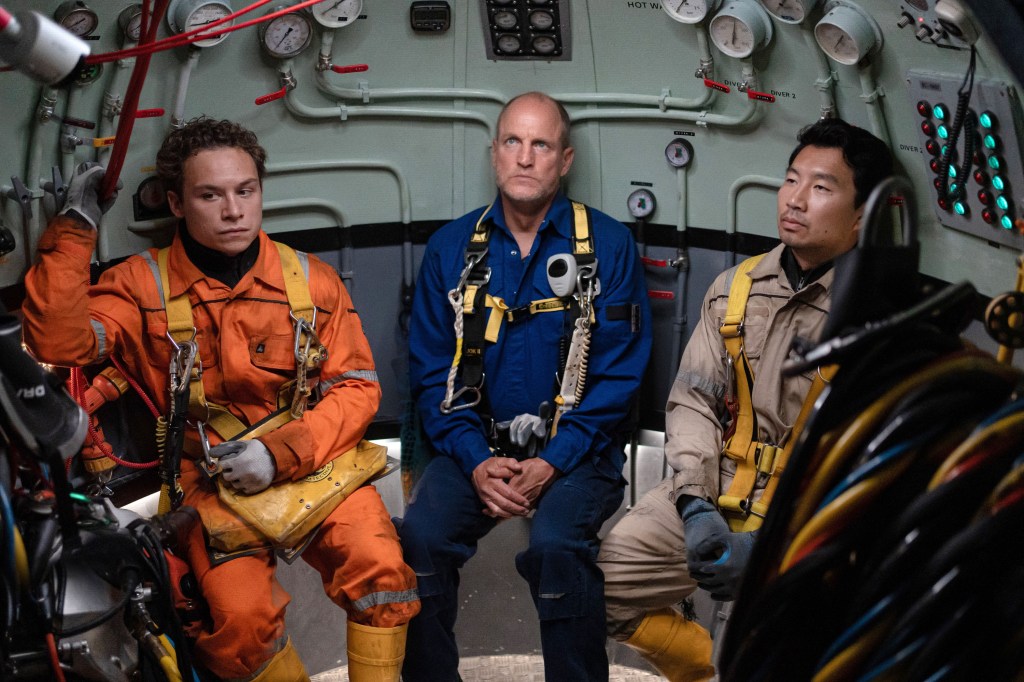
“Last Breath” is a gripping documentary that immerses viewers in the harrowing reality of a deep-sea diving accident, where survival hangs by a thread. This film not only recounts the factual elements of a true survival story but also delves deep into the emotional experiences of those involved. It raises important questions about the balance between authenticity and drama in storytelling. As we dive into the depths of this narrative, we’ll explore how “Last Breath” achieves this balance while also examining the criticisms that arise from its commitment to truth.
The True Story Behind “Last Breath”
At the heart of “Last Breath” is the extraordinary and terrifying experience of a commercial diver trapped underwater. The film is based on the events surrounding the near-fatal incident involving Chris Lemons, a diver who became trapped at the bottom of the North Sea during a routine operation. The documentary chronicles his struggle for survival against overwhelming odds, emphasizing the dangers of deep-sea diving and the human spirit’s resilience.
Chris Lemons was working on an underwater project when a series of unfortunate events led to his oxygen supply being cut off. The documentary provides a detailed account of the events leading up to the incident, including interviews with Lemons, his colleagues, and the rescue teams involved. This multi-faceted approach enriches the narrative, offering insights into both the technical aspects of diving and the personal experiences of those involved.
Balancing Fact and Drama
One of the most notable aspects of “Last Breath” is its commitment to presenting a factual recounting of the events while simultaneously engaging viewers on an emotional level. The film employs a variety of storytelling techniques to achieve this balance:
- Interviews: The film features candid interviews with Chris Lemons, his friends, and rescue personnel, providing a first-hand account of the ordeal. These personal testimonies imbue the narrative with emotional weight.
- Reenactments: To illustrate the depth of the situation, the documentary uses reenactments that depict the perilous moments of Lemons’s dive. These visual elements enhance the drama without overshadowing the factual basis of the story.
- Expert Commentary: The inclusion of experts in diving safety and marine technology helps to contextualize the events and educate viewers about the dangers of deep-sea diving.
This blend of factual storytelling with dramatic reenactments allows “Last Breath” to keep audiences on the edge of their seats while remaining true to the events that transpired. It successfully draws viewers into the psychological and physical challenges faced by divers, making the experience relatable even for those who have never dived before.
Critical Reception and Controversies
Despite its acclaim, “Last Breath” is not without its critics. Some argue that the film’s commitment to factual accuracy might inadvertently diminish the dramatic impact of certain moments. While the documentary seeks to honor the real-life events and experiences of those involved, some viewers feel that it sometimes comes off as overly clinical or restrained.
This tension between fact and drama is a recurring theme in documentary filmmaking. The challenge lies in crafting a narrative that resonates emotionally while staying grounded in reality. Critics argue that in striving for authenticity, “Last Breath” occasionally sacrifices the heightened emotional impact that viewers might expect from a survival story.
Emotional Depth: The Human Element
What sets “Last Breath” apart from other survival documentaries is its deep exploration of the human element. The film delves into the psychological aspects of survival, fear, and hope. Chris Lemons’s reflections on his experience provide a profound insight into the mind of someone who has faced death and emerged with a new perspective on life.
As audiences watch Lemons recount his struggles—fighting against panic, the cold, and the dwindling supply of air—they are invited to empathize with his situation. The film captures the essence of what it means to confront mortality, exploring themes such as:
- The Will to Survive: Lemons’s determination to stay conscious and fight for his life serves as a testament to the human spirit’s resilience.
- Community and Support: The film highlights the role of teamwork and communication in rescue operations, emphasizing how crucial human connections are in times of crisis.
- Life After Trauma: Lemons shares how the experience changed him, providing a reflective lens on how such traumatic events can reshape one’s outlook on life.
The Educational Aspect of “Last Breath”
In addition to its emotional narrative, “Last Breath” serves an educational purpose. The film raises awareness about the risks associated with deep-sea diving and the importance of safety protocols. It provides valuable insights into the technology used in diving operations and the critical nature of emergency response in underwater scenarios.
Through expert commentary and practical illustrations, viewers gain a deeper understanding of the complexities involved in commercial diving. This educational aspect enhances the film’s value, making it not just a thrilling survival story, but also a resource for those interested in marine safety and diving practices.
The Future of Survival Documentaries
As the genre continues to evolve, it will be interesting to see how future films navigate this balance. Will they lean more heavily into dramatization for emotional impact, or will they prioritize authenticity at the risk of pacing? The discussion sparked by “Last Breath” will undoubtedly influence how these stories are told in the years to come.
Conclusion
“Last Breath” is more than just a recounting of a harrowing survival story; it is a powerful exploration of the human experience in the face of adversity. By balancing fact with drama, the film captures the essence of survival while honoring the real-life experiences of those involved. As audiences navigate the depths of this narrative, they are reminded of the fragility of life and the strength of the human spirit.
Ultimately, “Last Breath” invites viewers to reflect on their own lives and the stories of resilience that emerge from tragic circumstances. It stands as a testament to the power of storytelling, illuminating the depths of human experience and the unwavering will to survive.
See more CNET Live