
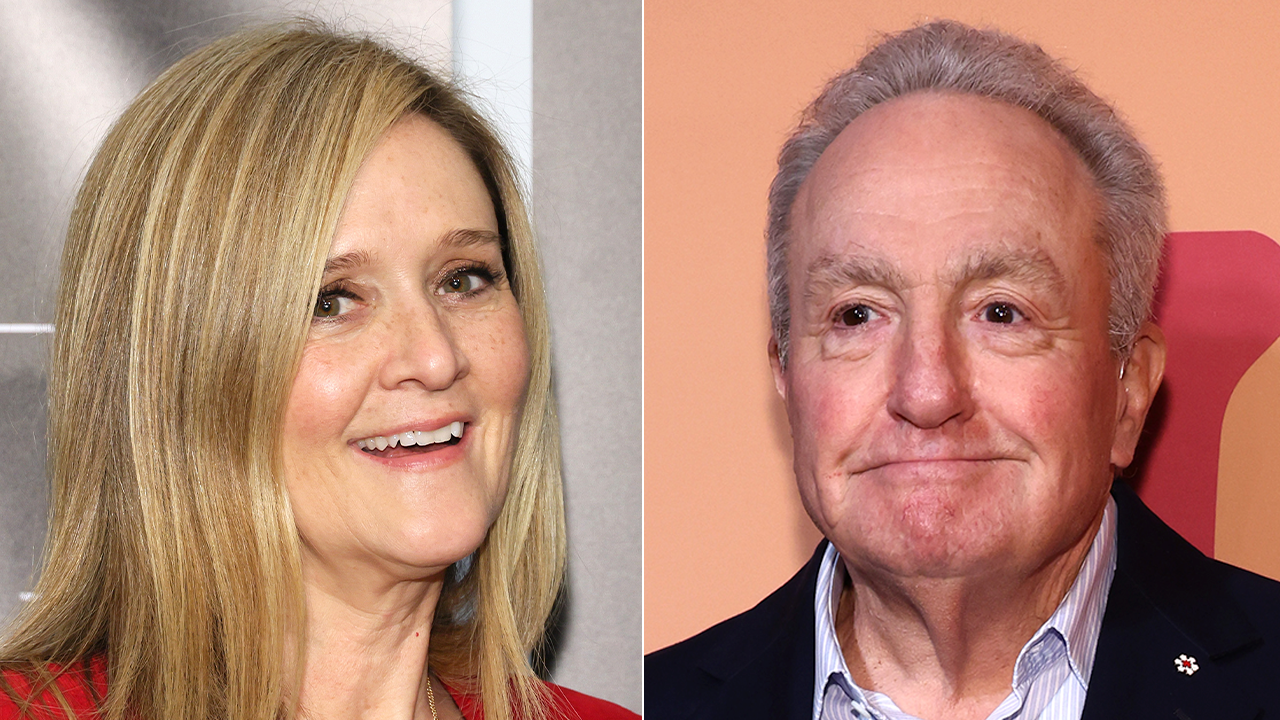
Controversy Erupts as Ex-Late Night Host Critiques ‘SNL’ Creator’s New Book
The world of late-night television has always been a hotbed for both comedy and controversy. Recently, a former late-night host has stirred the pot by publicly critiquing the newest memoir from the creator of ‘Saturday Night Live’ (SNL), Lorne Michaels. This clash has ignited discussions about authenticity, creative direction, and the evolving landscape of comedy—a topic that has implications for both creators and audiences alike.
The Backstory: A Memoir That Raises Eyebrows
Lorne Michaels, a titan in the comedy world, recently released a memoir that provides an intimate look at his life, career, and the inner workings of SNL. The book offers insights into his creative process, relationships with cast members, and the philosophy behind some of the most iconic sketches in television history. However, it is the advice he gives to the cast that has drawn fire from a notable former late-night host, whose identity continues to be the subject of speculation.
This critique has not only put a spotlight on Michaels but has also revived age-old debates about the authenticity of comedic voices in a rapidly changing media landscape. The ex-late night host argues that Michaels’ guidance encourages a formulaic approach to comedy, potentially stifling the unique voices of cast members. This perspective has sparked outrage among fans and industry insiders, leading to a broader conversation regarding the balance between creative direction and individual expression in comedy.
A Clash of Perspectives: The Critique
The former late-night host’s critique centers around several key points:
- Authenticity vs. Commercial Viability: The host argues that Michaels’ advice leans too heavily towards what is commercially viable, potentially sidelining authentic comedic expression.
- Generational Shift in Comedy: With the rise of alternative comedy and social media platforms, the host believes that the traditional SNL format may not resonate with younger audiences. They argue that Michaels’ approach may be outdated.
- Impact on Cast Creativity: By promoting a specific style or formula, the host believes that Michaels risks limiting the creative freedom of up-and-coming comedians within the SNL framework.
The Repercussions of the Critique
The fallout from this critique has been palpable. Social media platforms have erupted with opinions from fans, fellow comedians, and critics alike. Some have sided with the former late-night host, praising the need for authenticity in comedy, while others defend Michaels, arguing that his decades of experience provide invaluable guidance for aspiring comedians.
This controversy highlights a significant divide within the comedy community regarding the evolution of humor. As audiences become more diverse and discerning, the question of what constitutes genuine comedy becomes increasingly complex.
Exploring Authenticity in Comedy
Authenticity is a term that gets thrown around a lot in creative fields, particularly in comedy. For many, it represents a comedian’s ability to weave personal experiences and perspectives into their work. The challenge, however, lies in how this authenticity is perceived by audiences and how it aligns with mainstream expectations.
In recent years, we’ve seen a shift towards more personal, narrative-driven comedy, as exemplified by the rise of comedians like Hannah Gadsby and John Mulaney. These artists have found success by sharing their unique stories, often at the expense of traditional comedic structures. The question then becomes: Is there room for both styles in a world dominated by quick laughs and viral moments?
Industry Reactions: Support for Both Sides
Insiders from the comedy industry have expressed a mix of support and criticism for both the ex-late night host and Lorne Michaels. Many believe that while Michaels’ experience is crucial, there’s an undeniable need for fresh perspectives that reflect contemporary societal issues and diverse voices.
Notably, several current SNL cast members have weighed in, stating that while Michaels has provided a solid foundation for comedy, they also value the freedom to explore their own comedic styles. This sentiment echoes a broader trend in the comedy landscape, where individual expression is not just encouraged but celebrated.
The Future of Comedy: Bridging the Gap
As the debate continues, the future of comedy may very well depend on finding a balance between the established norms set by veterans like Lorne Michaels and the innovative voices that seek to challenge those norms. Here are some potential pathways for the future of comedy:
- Incorporating Diverse Voices: Encouraging a wider range of voices and perspectives can lead to a richer comedic landscape that resonates with broader audiences.
- Adapting to New Platforms: With the rise of digital platforms, comedians have the opportunity to reach audiences in new and unique ways, allowing for more experimental and varied forms of comedy.
- Fostering Collaboration: Bridging the gap between traditional formats and new styles may involve collaborative efforts between seasoned veterans and emerging talent, creating a fusion that respects the past while innovating for the future.
Conclusion: A Comedy Landscape in Flux
The clash between the ex-late night host and Lorne Michaels over the creator’s new book has opened up a vital conversation about authenticity and creative direction in comedy. As the industry continues to evolve, it is essential for both seasoned veterans and new voices to engage in dialogue that promotes understanding and collaboration.
Ultimately, the future of comedy will likely depend on the ability of creators to adapt, innovate, and remain true to their unique voices while honoring the traditions that have shaped the genre. In this ever-changing landscape, there’s room for both authenticity and commercial viability, and the best comedy will likely come from a blend of both worlds.
See more CNET Live