
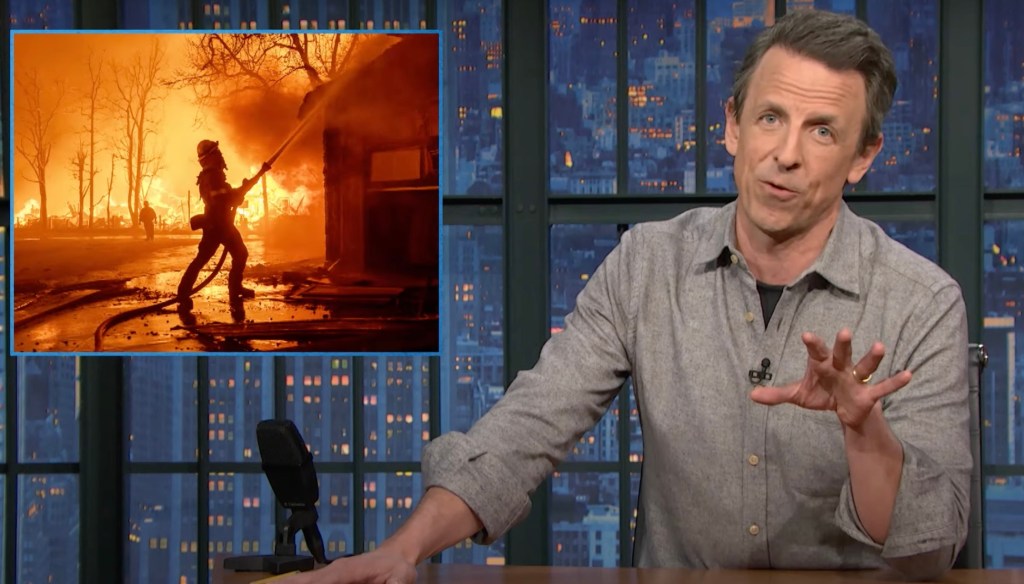
Late-Night Hosts Rally for LA’s Heroes Amid Government Criticism
In the bustling heart of Los Angeles, where the sun sets over the Pacific, late-night television hosts have taken it upon themselves to shine a spotlight on the unsung heroes of the city—its emergency workers. Their heartfelt tributes come at a time when the city faces significant crises, and their criticisms of the government’s response, particularly that of former President Donald Trump, have ignited crucial conversations about accountability and support for first responders.
The Power of Late-Night Television
Late-night television has long been a platform for both entertainment and social commentary. Hosts like Jimmy Kimmel, Stephen Colbert, and Jimmy Fallon wield their influence to bring attention to pressing social issues, often blending humor with serious topics. Recently, they have dedicated segments to praising Los Angeles’ emergency workers—firefighters, paramedics, and police officers—who have tirelessly responded to crises, from wildfires and floods to the ongoing challenges brought about by the pandemic.
These hosts have highlighted the bravery and dedication of first responders, emphasizing their critical role in maintaining public safety. Their remarks serve not just as commendation but as a necessary reminder of the sacrifices these individuals make daily, often with little recognition.
Criticism of Trump’s Response to Crisis
Amid their tributes, the late-night hosts have not shied away from addressing the inadequacies of government response during crises. They have been particularly vocal about the perceived failures of Trump’s administration, particularly during natural disasters and public health emergencies. Comments made by Kimmel and Colbert resonated with viewers, as they pointed out the disconnect between the needs of frontline workers and the governmental support provided to them.
In one memorable segment, Kimmel remarked, “While our heroes are out there risking their lives, the leadership we need seems to be on a permanent vacation.” Such statements not only entertain but also provoke thought about the accountability of those in power. The ongoing dialogue has encouraged citizens to reflect on how their leaders respond in times of need.
The Need for Better Support for First Responders
The calls for better support for first responders are becoming increasingly urgent. Emergency workers face a multitude of stressors, from physical danger to mental health challenges. The late-night hosts have used their platforms to advocate for improved funding and resources for these heroes, stressing that adequate support is essential for their well-being and effectiveness.
- Increased Funding: Advocating for more government funding dedicated to training, equipment, and mental health resources.
- Public Awareness: Promoting awareness campaigns to educate citizens about the challenges faced by first responders.
- Policy Changes: Urging lawmakers to implement policies that protect and support emergency workers.
This rallying cry for support underscores a broader conversation about the responsibilities of both citizens and leaders. The late-night hosts have effectively turned their shows into platforms for advocacy, encouraging viewers to engage with their local representatives and demand change.
Engaging the Audience: The Role of Humor in Advocacy
Humor has always been a powerful tool in late-night television, and its role in advocacy cannot be understated. By using comedy to address serious issues, hosts can engage audiences who might otherwise tune out. This approach allows for a unique blend of entertainment and education, making complex topics more accessible.
For instance, Colbert once quipped, “If only we could call 911 for a better government.” Such humor not only draws laughter but also highlights the frustrations many feel towards governmental ineffectiveness during crises. It serves as a unifying thread, reminding viewers that they are not alone in their concerns.
The Impact of Social Media
In today’s interconnected world, the influence of late-night hosts extends beyond television screens. Their messages resonate on social media platforms, where clips and quotes from their shows can go viral in an instant. This amplifies their reach, allowing them to connect with younger audiences who might not typically watch late-night television.
Social media has transformed how these hosts communicate with their fans, providing a space for real-time reactions and discussions. This engagement further solidifies the importance of their messages, as viewers share their thoughts and experiences related to the topics discussed. The result is a dynamic conversation that can lead to real change.
Rallying Community Support
The late-night hosts’ advocacy for LA’s heroes isn’t just about pointing fingers at the government; it also encourages community support. By highlighting local emergency workers, they foster a sense of pride within the community and inspire citizens to express gratitude for these individuals’ sacrifices.
Many viewers have taken to social media to share their own stories about first responders, creating a grassroots movement of appreciation. This collective acknowledgment can lead to initiatives that support emergency workers, such as fundraisers for mental health resources or community events honoring their service.
Looking Ahead: The Future of Advocacy in Late-Night Television
As late-night television continues to evolve, the role of hosts as advocates for social issues is likely to expand. The intersection of entertainment and activism is an increasingly vital part of the media landscape, and late-night shows can be at the forefront of this movement. By consistently addressing the needs of first responders and critiquing governmental responses, these hosts can influence public opinion and inspire action.
The commitment to rallying for LA’s heroes is a testament to the power of media in shaping societal values. It reminds us that while laughter is essential, so is accountability and support for those who protect our communities. As long as late-night hosts continue to use their platforms for good, the conversation about the importance of first responders will remain alive and relevant.
In conclusion, the rallying cry of late-night hosts for LA’s heroes serves as both a tribute and a critique. Their poignant remarks highlight the need for better support for first responders while igniting a vital conversation about accountability and appreciation. As we reflect on their words, it becomes clear that the voices of these television personalities can lead to significant change, encouraging a society that values and supports its heroes.
See more CNET Live