
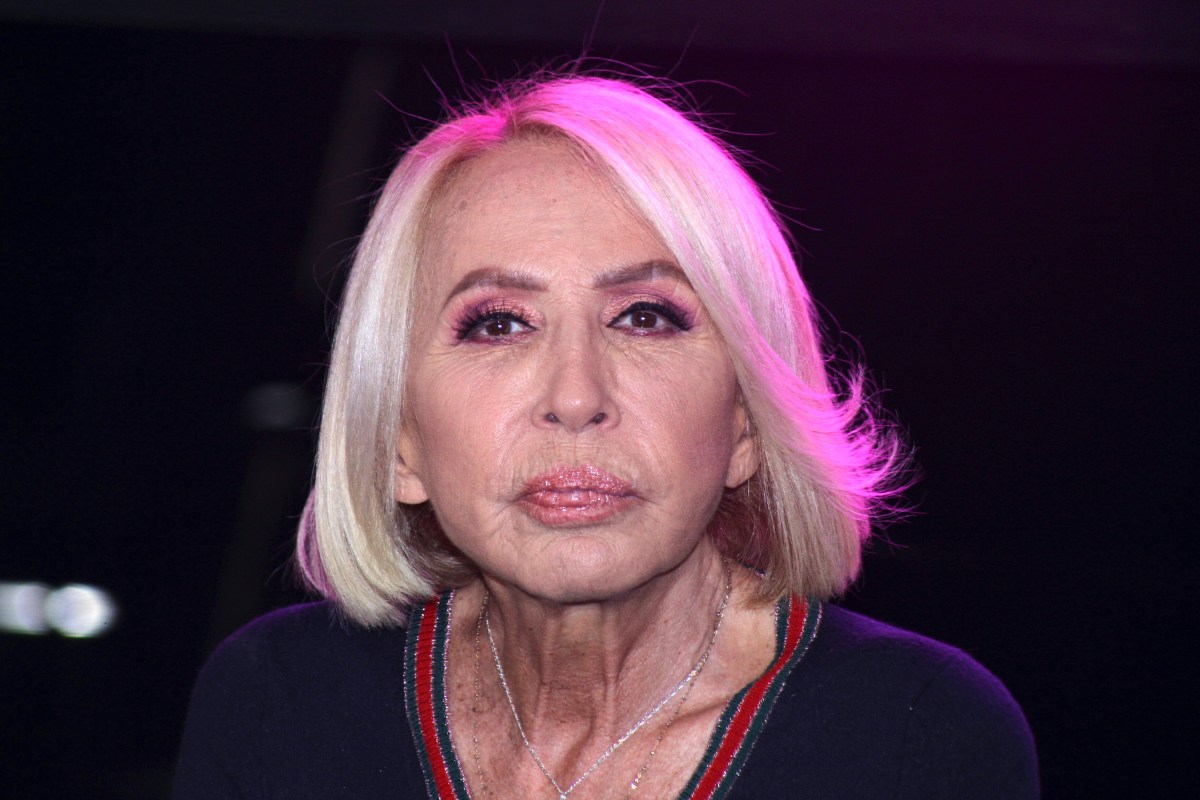
Laura Bozzo Weighs In on Maribel Guardia’s Grandson
In a recent discussion, renowned television personality Laura Bozzo shared her thoughts on Maribel Guardia’s family situation, particularly focusing on the implications for children in today’s society. The well-being of children is not just a familial concern; it’s a societal responsibility that demands our attention. Bozzo’s insights prompt a vital conversation about prioritizing the needs of the younger generation and the role they play in shaping our future.
The Importance of Children’s Well-Being
Bozzo emphasizes that children are the cornerstone of society. Their emotional, physical, and psychological well-being is crucial for fostering a healthy future. “When we invest in our children, we are investing in the future,” she remarked. This perspective resonates deeply in a world that often overlooks the challenges faced by the younger generation. Issues such as mental health, education, and safety are paramount, and the responsibility to address them lies with us all.
Maribel Guardia, a beloved figure in Latin America, has been in the public eye not only for her talent but also for her family dynamics. Her grandson’s situation has sparked discussions about how public figures navigate personal challenges while still upholding their roles as guardians. Bozzo’s comments shed light on the delicate balance of fame and family, reinforcing the idea that children’s needs should always come first.
Understanding the Role of Family Support
Families play a pivotal role in the development of children. According to Bozzo, the support system provided by family members can significantly influence a child’s self-esteem and emotional health. Families must create environments that nurture growth, understanding, and unconditional love. This sentiment is echoed by child psychologists who assert that a child’s early experiences shape their future interactions and worldview.
- Emotional Support: Children thrive when they feel loved and valued. Providing emotional stability is essential.
- Educational Guidance: Families should prioritize education, encouraging curiosity and learning.
- Healthy Communication: Open lines of communication foster trust and understanding between parents and children.
Bozzo’s Call for Societal Responsibility
Bozzo’s reflections extend beyond family dynamics; she calls for a broader societal commitment to children’s welfare. “It’s not just about the immediate family; it’s about our community, our society, and how we support our future leaders,” she stated. This highlights the collective responsibility we share in ensuring that every child has access to the resources they need to thrive.
Communities can take several steps to support children and their families, including:
- Advocacy for Policies: Supporting local and national policies that prioritize education, health care, and child protection.
- Creating Safe Spaces: Ensuring that children have access to safe play areas and learning environments.
- Community Programs: Implementing programs that provide mentorship and educational resources for children from all backgrounds.
The Impact of Media and Public Figures
As a public figure, Laura Bozzo understands the influence that celebrities have on societal norms and values. Her discussion about Maribel Guardia’s grandson highlights the media’s role in shaping perceptions of family and childhood. “When celebrities share their family stories, they create a dialogue that can inspire others to prioritize their children’s needs,” Bozzo explained.
Media representation can either uplift or undermine societal values regarding children. Positive portrayals of family life can serve as models for others, encouraging healthy parenting practices and community involvement. Conversely, negative depictions can perpetuate harmful stereotypes and discourage proactive engagement in child welfare.
The Role of Education in Shaping Future Generations
Education is another critical aspect that Laura Bozzo emphasized in her discussion. It is the foundation upon which children build their futures. By equipping them with knowledge and skills, we enable them to contribute positively to society. Bozzo advocates for educational reforms that focus on holistic development, addressing not just academic needs but also emotional and social learning.
- Holistic Education: Schools should provide programs that promote mental health awareness and emotional intelligence.
- Inclusion: Education systems must strive for inclusivity, ensuring all children, regardless of background, have access to quality education.
- Parental Involvement: Encouraging parents to engage in their children’s education creates a supportive learning environment.
Fostering a Culture of Empathy and Responsibility
At the heart of Bozzo’s message is the need to cultivate a culture of empathy and responsibility towards children. In a world that often prioritizes individual success, we must remember the interconnectedness of our lives. Each child is a part of a larger community, and their well-being affects us all.
Encouraging children to develop empathy, resilience, and social responsibility will prepare them to face the challenges of tomorrow. Programs that focus on community service and social awareness can instill these values from a young age, fostering a sense of belonging and purpose.
Conclusion: A Collective Effort
Laura Bozzo’s insights regarding Maribel Guardia’s grandson serve as a powerful reminder of our shared obligations towards children. The well-being of the younger generation is not solely the responsibility of parents or guardians but of society as a whole. By prioritizing children’s needs, advocating for supportive policies, and fostering a culture of compassion, we can ensure that every child has the opportunity to thrive.
As we navigate the complexities of modern life, let us remember that investing in our children is investing in our future. Let’s commit to creating environments where they can flourish, knowing that our collective efforts will lead to a brighter tomorrow for generations to come.
See more CNET Live