
Lavender Scare Opera Exits Kennedy Center in Bold Protest Against Trump Administration
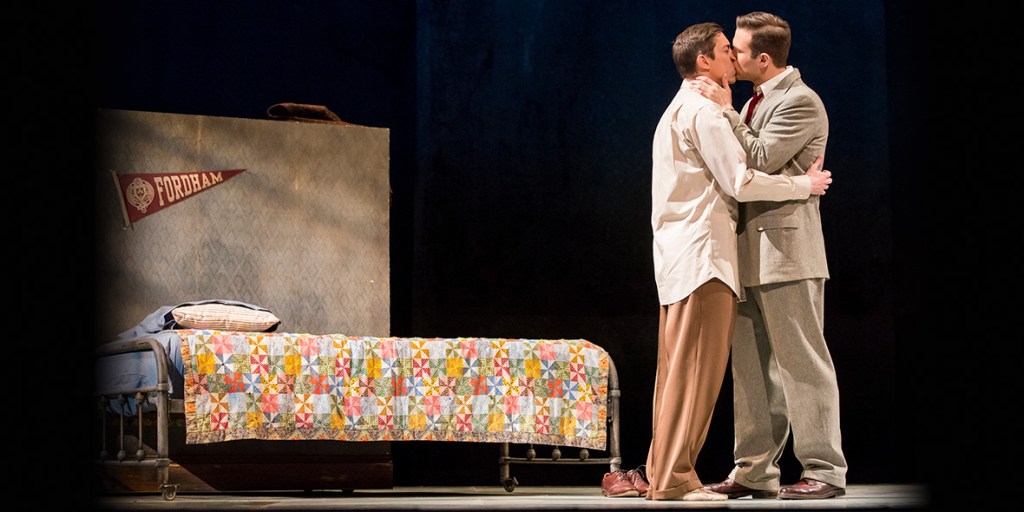
The celebrated opera “Fellow Travelers,” which poignantly delves into the historical persecution faced by LGBTQ+ individuals during the Lavender Scare of the 1950s, has made headlines with its recent withdrawal from the Kennedy Center. This unexpected decision, attributed to the current political climate under the Trump administration, raises significant questions about the role of art in activism and the responsibilities of artists in confronting societal injustices.
The Lavender Scare: A Brief Overview
The Lavender Scare refers to a period during the 1950s when thousands of government employees were fired or forced to resign due to their sexual orientation. This era marked a dark chapter in American history, highlighting the intersection of governmental policies and personal identities. “Fellow Travelers,” an opera by Greg Pierce and composer Gregory Spears, intricately weaves a narrative that reflects this turbulent period, showcasing the fear, persecution, and resilience of those affected.
Art as Activism: The Decision to Withdraw
The announcement of the opera’s exit from the Kennedy Center was met with mixed reactions. For many, it was a bold statement against the policies and rhetoric of the Trump administration, which many LGBTQ+ advocates have criticized for fostering an environment of intolerance. By stepping away from this prestigious venue, the creators of “Fellow Travelers” are not only making a statement about their art but also about the broader implications of current political discourse.
In an official statement, the producers expressed their belief that art should challenge the status quo and provoke thought and dialogue. They emphasized that in light of the ongoing social injustices, particularly against LGBTQ+ individuals, it was imperative to take a stand. This act of protest reflects a growing trend among artists who feel compelled to use their platforms to advocate for change.
The Intersection of Politics and the Arts
The intersection of politics and the arts is not a new phenomenon. Throughout history, artists have often taken stances against oppressive regimes or policies, using their work as a form of resistance. The decision by “Fellow Travelers” to exit the Kennedy Center is a contemporary example of this age-old tradition. The opera’s themes resonate deeply with current societal struggles, making its message even more relevant today.
Moreover, this withdrawal raises questions about the responsibilities of cultural institutions. Should venues like the Kennedy Center take a stand on political issues? Or should they remain neutral, providing a platform for all artistic expressions? The answer is complex and varies depending on individual perspectives. However, the dialogue surrounding these questions is crucial, especially in an era where the stakes for marginalized communities are higher than ever.
The Impact of the Trump Administration on LGBTQ+ Rights
The Trump administration’s policies have had a profound impact on the LGBTQ+ community, often reversing progress made in previous years. From banning transgender individuals from serving in the military to rolling back protections against discrimination, many have felt that the administration has fostered an environment of fear and uncertainty. This political backdrop makes the themes explored in “Fellow Travelers” all the more poignant.
The opera serves as a reminder of the historical struggles faced by LGBTQ+ individuals and the importance of vigilance in protecting rights that are often taken for granted. By withdrawing from the Kennedy Center, the creators of “Fellow Travelers” are not only shedding light on these issues but also urging audiences to reflect on the current state of affairs.
Artistic Expression and Community Response
The response to the opera’s withdrawal has been overwhelmingly supportive among LGBTQ+ activists and allies. Many view this move as a courageous act of solidarity with those still facing discrimination and persecution. Social media platforms have been flooded with messages of support, emphasizing the importance of standing up against injustice, regardless of the medium.
Furthermore, this situation has sparked discussions about the broader role of artists in society. Many believe that artists have a unique ability to influence public opinion and inspire change. The ability to convey complex emotions and narratives through art can transcend barriers and foster understanding, making it a powerful tool for activism.
Looking Ahead: The Future of “Fellow Travelers”
As “Fellow Travelers” exits the Kennedy Center, the future of the opera remains uncertain. Will it find a new home where its themes can continue to resonate? Or will this bold protest serve as a catalyst for further discussions about the role of art in activism? One thing is clear: the opera’s message is timeless, and its relevance will persist as long as the struggles it addresses continue to exist.
In the face of adversity, art has always been a means of expression and resistance. The withdrawal from the Kennedy Center serves not only as a protest but also as a reminder of the power of artistic expression in advocating for social change. As society grapples with ongoing issues of inequality and discrimination, the voices of artists like those behind “Fellow Travelers” will remain vital in the quest for justice.
Conclusion: The Power of Protest through Art
The departure of “Fellow Travelers” from the Kennedy Center is more than just a withdrawal from a venue; it is a powerful statement about the intersection of art, activism, and politics in today’s society. As the opera reflects on the persecution of the past, it simultaneously urges us to confront the realities of the present. In doing so, it invites audiences to engage with the themes of love, loss, and resilience in the face of oppression.
This bold act of protest serves as a reminder that art is not merely a reflection of society but also a catalyst for change. As we move forward, the conversations sparked by this withdrawal will undoubtedly continue, inspiring future generations of artists and activists to use their voices and platforms to advocate for equality and justice in all its forms.
See more CNET Live