
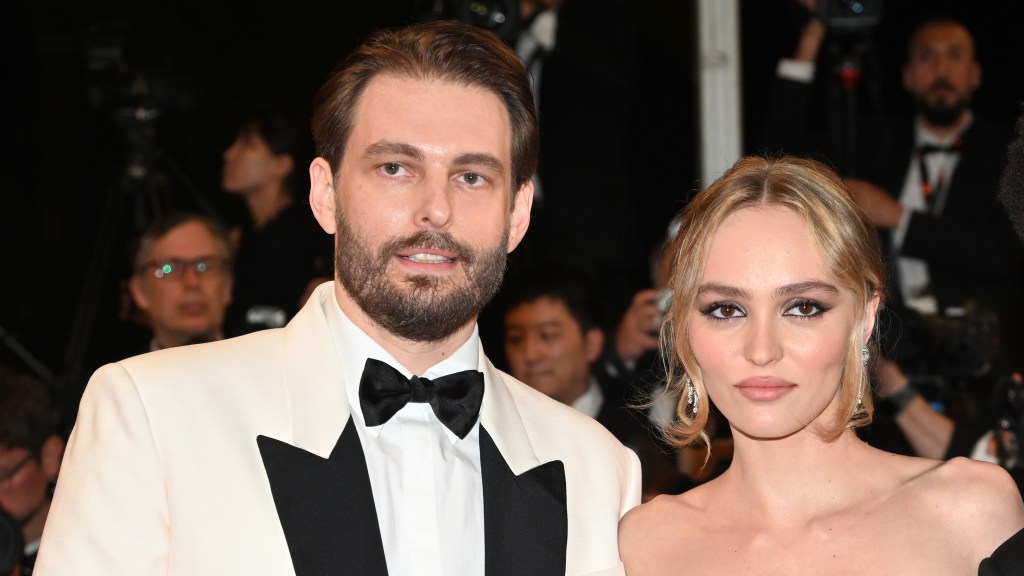
Lily-Rose Depp Defends Sam Levinson Against Misguided Criticism
In a world where public figures are often subjected to intense scrutiny, Lily-Rose Depp has taken a stand to defend Sam Levinson against what she describes as misguided criticism. This bold move not only highlights the complexities of artistic collaboration but also shines a light on the challenges artists face in the public eye. Depp’s remarks have sparked a broader conversation about the nature of criticism in the creative industries and the often-unfair perceptions that can arise from it.
The Backlash Against Sam Levinson
Sam Levinson, known for his work on the critically acclaimed series Euphoria, has faced a wave of backlash in recent months. Critics have taken issue with various aspects of his work, from storytelling choices to character portrayals. Some have accused him of promoting negative stereotypes and failing to handle sensitive topics with the necessary care. This criticism has raised questions about the responsibilities of creators in the modern media landscape.
Lily-Rose Depp, who stars alongside Levinson’s vision in the upcoming series The Idol, has stepped forward to counter these critiques. She argues that the criticisms directed at Levinson are not only unfounded but also misrepresentative of his true intentions as a creator. Depp’s defense emphasizes the importance of context and the multifaceted nature of storytelling.
The Complexity of Artistic Collaboration
Artistic collaboration is inherently complex. It involves a myriad of voices, perspectives, and interpretations that come together to create a cohesive narrative. In the case of Euphoria and The Idol, Levinson has collaborated with a diverse range of actors, writers, and production staff. Each individual’s artistic vision contributes to the final product, making it crucial to understand the collaborative process before passing judgment.
Depp highlights that Levinson’s work often reflects the harsh realities of contemporary life, capturing both the beauty and the chaos that coexist in today’s society. This nuance is often lost in simplified critiques that fail to appreciate the deeper themes and messages embedded within his narratives. She asserts that viewers should approach artistic content with an understanding of its complexity rather than reducing it to mere sensationalism.
Understanding Public Perception
Public perception can be a double-edged sword. On one hand, it provides artists with valuable feedback; on the other hand, it can distort the narrative surrounding their work. In the age of social media, where opinions can spread rapidly and widely, the impact of public criticism can be magnified. Artists like Levinson find themselves navigating a landscape where every decision is subject to intense analysis and interpretation.
- Social Media Amplification: Platforms like Twitter and Instagram allow for immediate audience reactions, which can lead to swift and sometimes harsh judgments.
- Miscommunication: Often, the subtleties of a creator’s intent can be lost in translation, leading to misinterpretations that fuel criticism.
- Echo Chambers: Online discussions can create echo chambers where negative opinions are reinforced, overshadowing positive or constructive critiques.
Depp’s defense of Levinson serves as a reminder that creators are human beings with intentions, emotions, and stories of their own. Recognizing the effort that goes into artistic endeavors can foster a more supportive environment for creators and audiences alike.
The Role of Criticism in the Arts
Criticism is an essential part of the artistic process, serving to challenge creators and push them toward greater heights. However, it is vital that this criticism is constructive rather than destructive. When criticisms are based on a lack of understanding or an oversimplified view of a complex narrative, they can be harmful not only to the creator but also to the discourse surrounding the art form.
Depp emphasizes the need for critics and audiences to engage with the work on a deeper level. This means taking the time to understand the themes, characters, and narratives at play rather than forming opinions based solely on headlines or snippets of information. By fostering an environment of informed discussion, the artistic community can thrive.
The Importance of Support in the Industry
In the competitive world of entertainment, support among peers is crucial. Lily-Rose Depp’s public defense of Sam Levinson underscores the importance of standing by one’s collaborators, especially in the face of adversity. This solidarity not only strengthens professional relationships but also contributes to a healthier and more encouraging creative environment.
- Encouraging Dialogue: Open communication among artists can lead to more profound insights and understanding of each other’s perspectives.
- Building Community: Supportive networks help to foster creativity and innovation, allowing artists to take risks without the fear of harsh backlash.
- Promoting Diversity: A strong community encourages diverse voices, ensuring that a wide range of experiences and stories are represented in the arts.
Conclusion
Lily-Rose Depp’s defense of Sam Levinson against misguided criticism is a powerful reminder of the complexities involved in artistic creation. Her remarks challenge audiences to look beyond surface-level interpretations and engage with the deeper meanings behind artistic works. In a world where public perception can shape the narrative, it is crucial to foster a culture of understanding and support within the creative community.
As we navigate the evolving landscape of entertainment, let’s remember that every piece of art is a reflection of its creator’s experiences, thoughts, and emotions. By embracing a more nuanced view of artistic collaboration, we can enhance our appreciation for the diverse stories that shape our cultural landscape. In doing so, we not only uplift the artists who bring these narratives to life but also enrich our own experiences as consumers of art.
See more CNET Live