
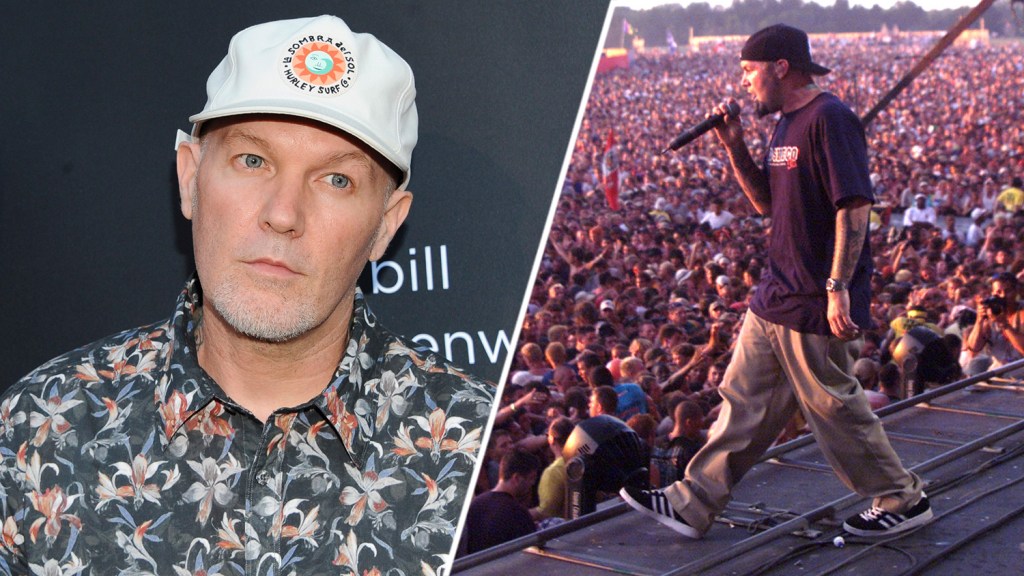
Limp Bizkit Takes a Stand: The $200 Million Legal Battle with Universal Music
Limp Bizkit, the iconic nu-metal band known for their energetic performances and genre-blending sound, is making headlines once again, but not for their latest album or tour. This time, they’re stepping into the courtroom, challenging Universal Music in a high-stakes lawsuit over a staggering $200 million in royalties. This legal confrontation could reshape the landscape for artists and their rights in the music industry, setting a precedent that may influence how contracts are structured and enforced in the years to come.
The Background of the Lawsuit
At the heart of this legal battle is a dispute over unpaid royalties. Limp Bizkit claims that Universal Music has failed to properly compensate them for the use of their music across various platforms, including streaming services, film soundtracks, and other media. The band argues that their contracts entitle them to a larger share of the profits generated from these uses, and they are determined to hold Universal accountable.
The lawsuit was filed after attempts to negotiate a settlement were unsuccessful. Limp Bizkit’s legal team asserts that the band’s contributions to the nu-metal genre, particularly in the late 1990s and early 2000s, have generated substantial revenue for Universal, yet the band has not seen a fair portion of these earnings. This discrepancy highlights a growing concern among artists about the transparency of financial dealings within the music industry.
The Impact on Artists’ Rights
The implications of Limp Bizkit’s lawsuit extend beyond the band itself. This case could mark a pivotal moment for artists’ rights within the music industry. For years, many musicians have expressed frustration over how record labels manage royalties, often leaving artists feeling undervalued and underpaid. Limp Bizkit’s bold move could inspire other artists to speak up and demand fair treatment.
Several key issues arise from this legal battle:
- Transparency in Royalties: Artists are increasingly calling for clearer accounting practices from record labels. Limp Bizkit’s case could push for changes that would require labels to provide detailed breakdowns of how royalties are calculated.
- Contract Negotiations: The outcome of this lawsuit may influence how contracts are negotiated in the future. If Limp Bizkit wins, it could lead to more favorable terms for artists entering into agreements with major labels.
- Streaming Revenue: With the rise of digital music consumption, how revenue is split between artists and labels has come under scrutiny. Limp Bizkit’s fight could highlight the need for fairer distribution of streaming royalties.
The Broader Context of the Music Industry
This legal confrontation comes at a time when the music industry is undergoing significant changes, particularly due to the growth of streaming services like Spotify and Apple Music. While these platforms have made music more accessible than ever, they have also raised questions about how much artists actually earn from their work. Many musicians, especially those who rely on streaming for income, have reported feeling the pressure of inadequate compensation.
Moreover, the pandemic has accelerated shifts in how music is consumed and monetized. Artists are searching for new revenue streams and ways to engage their fans, making the fairness of existing agreements all the more critical. Limp Bizkit’s lawsuit could serve as a catalyst for a larger conversation about the sustainability of the current music business model.
Limp Bizkit’s Legacy and Influence
Formed in 1994, Limp Bizkit quickly rose to fame with their unique blend of rock, hip-hop, and heavy metal. They became a defining band of the nu-metal genre, producing hits such as “Nookie,” “Break Stuff,” and “My Way.” Their influence can still be felt today, as many contemporary artists cite them as an inspiration.
Beyond the music, Limp Bizkit has always been known for their unapologetic attitude and willingness to push boundaries. This lawsuit is a continuation of that legacy. By taking a stand against a major label, they are not only fighting for their own rights but also for the rights of countless other artists who may feel powerless in the face of corporate giants.
What’s Next for Limp Bizkit?
The legal process can be lengthy and complex, and it remains to be seen how this lawsuit will unfold. Limp Bizkit is prepared for a long battle, and their fans are rallying behind them. The band has expressed their commitment to seeing this case through, emphasizing the importance of standing up for what they believe is right.
As the case progresses, it will be crucial for both the band and their legal team to present compelling evidence of their claims. This includes detailed financial records, testimonies from industry experts, and perhaps even insights from other artists who have faced similar challenges.
Potential Outcomes and Industry Repercussions
Should Limp Bizkit prevail, the ramifications for the music industry could be profound. A victory might lead to:
- Enhanced Artist Protections: Other artists may feel empowered to challenge their labels, potentially leading to changes in how contracts are structured and enforced.
- Increased Negotiation Power: Artists might gain more leverage in negotiations, ensuring they receive fair compensation for their work.
- Industry Reform: Labels may be prompted to reevaluate their royalty distribution models, leading to a more equitable system overall.
A Call to Action for Artists
As Limp Bizkit takes a stand, their battle serves as a rallying cry for artists everywhere. It’s a reminder that the music industry is an ever-evolving landscape, and artists deserve a fair share of the profits generated from their creativity and hard work. This lawsuit is not just about $200 million; it’s about the fundamental rights of artists and the future of the industry.
In conclusion, as Limp Bizkit navigates this legal challenge, the music world watches closely. Whether they win or lose, their actions are likely to inspire much-needed conversations about fairness and equity within the industry. Artists must unite and advocate for their rights, ensuring that their voices are heard and their contributions valued. The outcome of this case could very well shape the future of music for generations to come.
See more CNET Live