
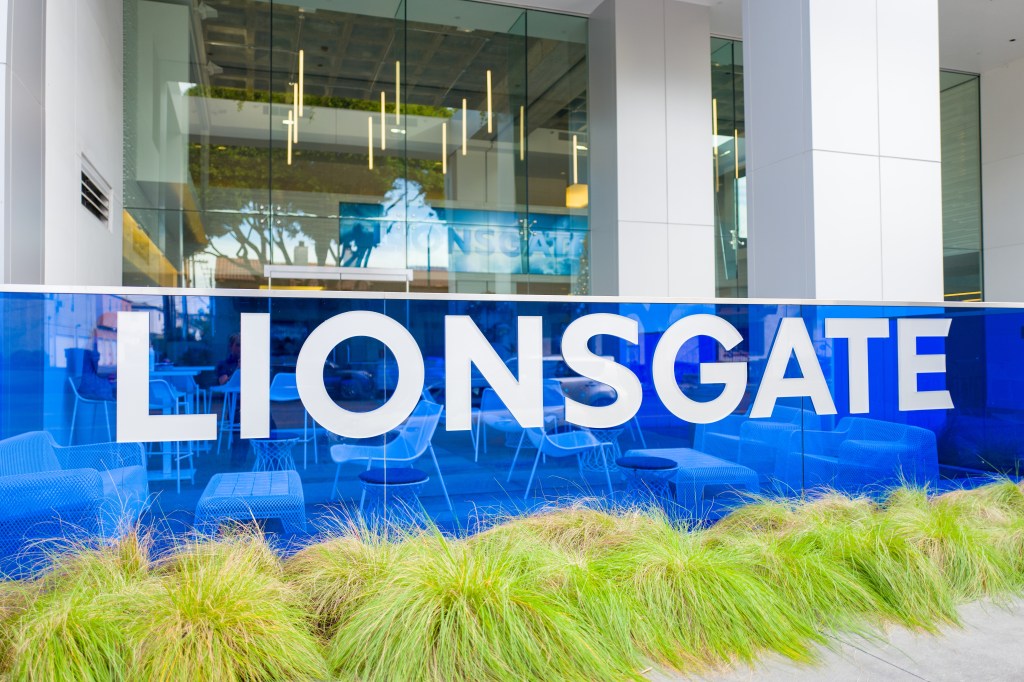
Lionsgate’s Strategic Shift: Analyzing the Implications for Studio and Starz
Lionsgate, a prominent player in the entertainment industry, is gearing up for a pivotal transformation as it contemplates a significant separation of its film and television studio from the Starz network. This strategic shift could have far-reaching implications not only for the company itself but also for the broader entertainment landscape. As the media environment continues to evolve, understanding the motivations behind this decision and its potential outcomes becomes crucial for industry stakeholders, investors, and consumers alike.
The Rationale Behind the Separation
The decision to consider a split between Lionsgate’s studio operations and Starz is rooted in several strategic considerations. First and foremost, the entertainment industry is undergoing a seismic shift characterized by rapid technological advancements and changing consumer preferences. Streaming services have transformed the way audiences consume content, leading to a competitive landscape where flexibility and adaptability are paramount.
By separating its studio from Starz, Lionsgate aims to enhance its focus on original content creation and distribution, ensuring that both entities can thrive independently. This move can potentially allow the studio to attract a broader audience through diversified content offerings while enabling Starz to concentrate on its subscription-based streaming model, which has shown resilience in recent years.
Financial Implications of the Strategic Shift
The financial ramifications of Lionsgate’s strategic shift are substantial. As the company evaluates this separation, it must consider the potential for increased revenue streams and improved operational efficiencies. Here are some key financial aspects to consider:
- Valuation Opportunities: A standalone studio could attract higher valuations as it focuses on blockbuster films and high-quality television series, capitalizing on its extensive library of intellectual properties.
- Investment Attraction: Investors might be more inclined to commit capital to specialized entities, leading to a potential increase in funding for innovative projects.
- Cost Management: Separating the two divisions could allow for more streamlined operations, reducing overhead costs and enhancing profitability.
Market Trends Influencing the Decision
Several market trends are influencing Lionsgate’s strategic shift. The rise of direct-to-consumer platforms has altered the dynamics of content consumption, pushing traditional networks and studios to adapt. Here are some trends worth noting:
- Streaming Dominance: Services like Netflix, Disney+, and Amazon Prime Video have set high standards for content delivery, forcing traditional networks to compete aggressively.
- Consumer Behavior: Viewers increasingly prefer on-demand content, leading to a surge in subscriptions to streaming platforms, which may incentivize Lionsgate to refine its offerings.
- Global Expansion: The appetite for international content is growing, presenting an opportunity for Lionsgate to leverage its global assets and develop culturally relevant programming.
Impact on Content Creation and Distribution
The separation of Lionsgate’s studio and Starz could significantly impact how content is created and distributed. For the studio, the focus can shift toward producing high-quality films and series that appeal to a wide audience. This could lead to:
- Increased Original Programming: A renewed emphasis on original storytelling that resonates with viewers, allowing Lionsgate to compete more effectively against rivals.
- Enhanced Marketing Strategies: Tailored marketing initiatives for both the studio and Starz could result in more effective audience targeting and engagement.
- Collaborative Opportunities: The potential for cross-collaboration between the two entities can lead to unique content offerings that blend theatrical releases with streaming exclusives.
The Future of Starz: A Closer Look
Starz, as a separate entity, will need to carve out its niche in the competitive streaming market. This will involve focusing on unique content, such as original series and films that cater to its specific audience demographics. The network has already made strides in this direction with successful shows like “Power” and “Outlander,” which have garnered dedicated fan bases.
Furthermore, Starz could explore partnerships with other networks or streaming services to expand its content library. This strategic collaboration could enhance its value proposition, attracting new subscribers while retaining existing ones. By leveraging data analytics, Starz can also refine its content recommendations, ensuring viewers are engaged with shows that align with their preferences.
Challenges and Considerations
While the strategic shift presents numerous opportunities, it also poses challenges that Lionsgate must navigate carefully. Some of these challenges include:
- Market Competition: As the streaming landscape becomes increasingly crowded, Lionsgate must differentiate its offerings to stand out among competitors.
- Brand Identity: Both Lionsgate and Starz will need to establish and maintain strong brand identities that resonate with their target audiences.
- Operational Transition: The logistics of separating the two entities could involve significant operational complexities, including restructuring and talent management.
Conclusion: A Strategic Path Forward
Lionsgate’s strategic shift to separate its studio from Starz is a bold move that reflects the evolving dynamics of the entertainment industry. By embracing this transformation, Lionsgate positions itself to adapt to changing consumer demands and capitalize on emerging opportunities. As the company forges ahead, it will need to remain agile, innovative, and responsive to the ever-changing landscape of media and entertainment.
The future of Lionsgate and Starz hinges on their ability to navigate challenges effectively while leveraging their strengths. As both entities embark on this journey, stakeholders can expect a renewed focus on quality content, enhanced operational efficiencies, and a commitment to delivering exceptional entertainment experiences.
See more CNET Live