
Unraveling the Magic: Can Netflix’s ‘Little House on the Prairie’ Reboot Live Up to Michael Landon’s Legacy?
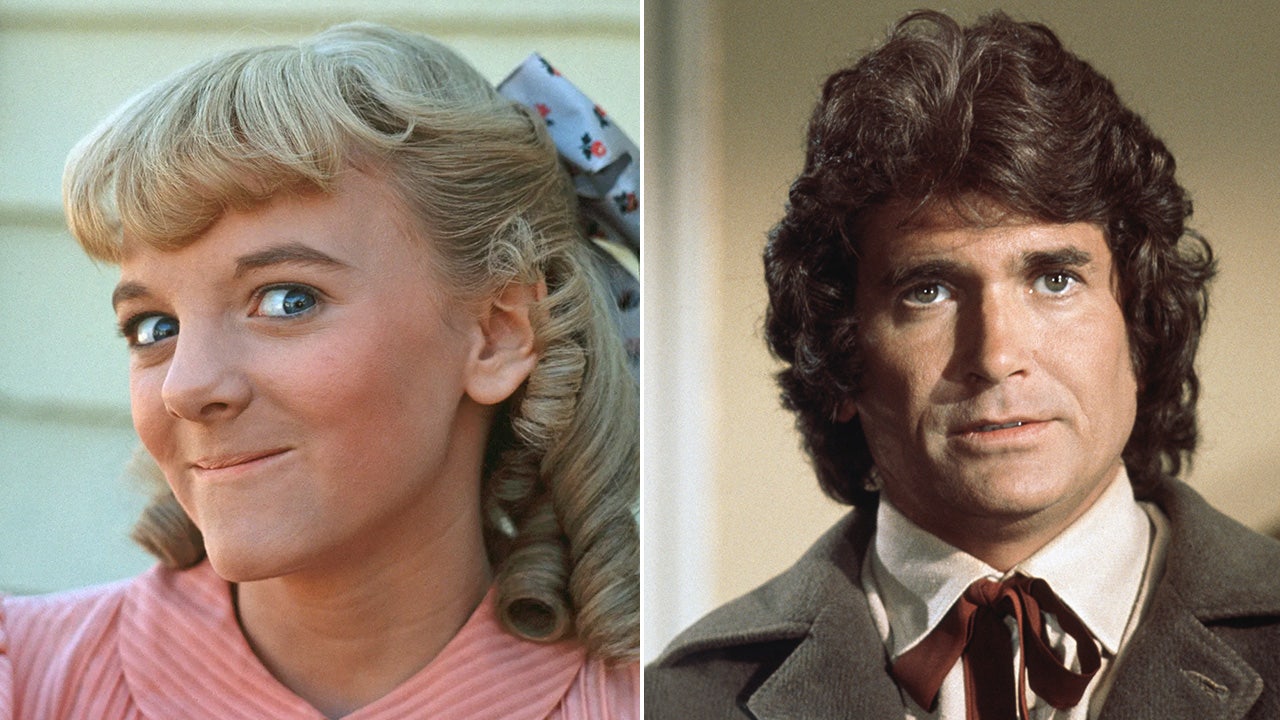
As the world of television continues to evolve, audiences often find themselves at the intersection of nostalgia and modern storytelling. One of the latest projects aiming to bridge that gap is Netflix’s reboot of the beloved series, ‘Little House on the Prairie.’ The original show, which aired from 1974 to 1983, captured the hearts of millions, largely due to the creative vision of Michael Landon. In a candid discussion, Alison Arngrim, who portrayed the iconic Nellie Oleson, shares her insights into this ambitious project and reflects on the unique charm and magic that Landon infused into the original series. But can today’s reboot truly live up to this legacy?
Michael Landon’s Enduring Legacy
Michael Landon was not just a star; he was the heart and soul of ‘Little House on the Prairie.’ As the director, producer, and lead actor, Landon shaped the show’s direction and emotional core. His ability to combine poignant storytelling with heartwarming family values set a standard that resonated with viewers, allowing them to connect deeply with the characters’ struggles and triumphs.
One of the most remarkable aspects of Landon’s work was his commitment to authenticity. He often drew from real-life experiences and historical events, giving the show a sense of realism that many family dramas lack. This dedication to storytelling helped ‘Little House on the Prairie’ transcend generations, making it a staple in American pop culture.
Alison Arngrim’s Perspective
Alison Arngrim, who played the infamous Nellie Oleson, has become a key voice in the discussion about the reboot. In interviews, she emphasizes the importance of honoring Landon’s legacy while also adapting to modern sensibilities. “It’s a balancing act,” she notes, “you want to capture that magic while also making it relevant for today’s audience.”
Arngrim reflects on how the original show tackled social issues with grace and sensitivity. From themes of poverty and racism to the struggles of women in a patriarchal society, Landon’s narratives offered lessons that still resonate today. As Arngrim puts it, “We dealt with real issues, and I hope the new series does the same.”
Challenges of Rebooting a Classic
Rebooting a classic series comes with its own set of challenges. One of the primary concerns is the risk of alienating long-time fans who hold the original show dear to their hearts. There’s a fine line between honoring the source material and creating something entirely new.
- Maintaining Authenticity: The reboot must strive for authenticity in its storytelling. This includes not only the historical context but also the emotional depth that characterized the original series.
- Character Development: Characters like Laura Ingalls and Nellie Oleson must evolve in ways that respect their origins while also reflecting contemporary values and issues.
- Modern Relevance: Today’s audience faces different challenges than those of the 19th century. The reboot should explore themes that resonate, such as mental health, diversity, and community support.
Modern Storytelling Techniques
Today’s storytelling techniques differ significantly from those of the 1970s and 80s. With the rise of streaming platforms like Netflix, series have the opportunity to delve deeper into character arcs and complex narratives. This allows for a more nuanced exploration of themes that were often simplified in the original series.
Moreover, advancements in technology and cinematography can elevate the visual storytelling experience. The reboot can leverage high-quality production values to bring the world of ‘Little House on the Prairie’ to life in a way that resonates with modern viewers.
Audience Expectations
As the reboot approaches its premiere, audience expectations are a mixed bag. Long-time fans are eager to see how the new series will pay tribute to the original while also appealing to a new generation of viewers. The challenge lies in capturing the essence of what made the original so beloved while also breaking new ground.
Viewers today are more diverse and have a broader range of experiences. The reboot has the chance to reflect this diversity by incorporating a wider array of voices and stories. This inclusivity can help the series resonate with a broader audience, allowing it to find its place in contemporary television.
The Role of Nostalgia
Nostalgia plays a powerful role in the reception of reboots. For many, ‘Little House on the Prairie’ is not just a show; it’s a cherished part of their childhood. The emotional connections that viewers have with the characters and stories can influence their perception of the new series. Striking the right balance between nostalgia and innovation is crucial for the reboot’s success.
As Arngrim points out, “Nostalgia can be a double-edged sword. It can draw people in, but if they feel like the reboot doesn’t honor the original, it can push them away.” The challenge is to create a series that feels familiar yet fresh, offering both old fans and new viewers something to enjoy.
Conclusion: A New Chapter in an Old Story
As Netflix’s ‘Little House on the Prairie’ reboot gears up for its debut, the anticipation is palpable. With insights from Alison Arngrim and a commitment to honoring Michael Landon’s legacy, there’s hope that the new series will capture the magic of the original while also carving out its own identity.
While the task is daunting, the potential for a modern interpretation of ‘Little House on the Prairie’ is exciting. Through thoughtful storytelling, authentic character development, and respect for the past, the reboot can resonate with both long-time fans and a new generation. As we prepare to explore this new chapter of an old story, one thing is clear: the magic of ‘Little House on the Prairie’ may just be ready for a revival.
See more CNET Live