
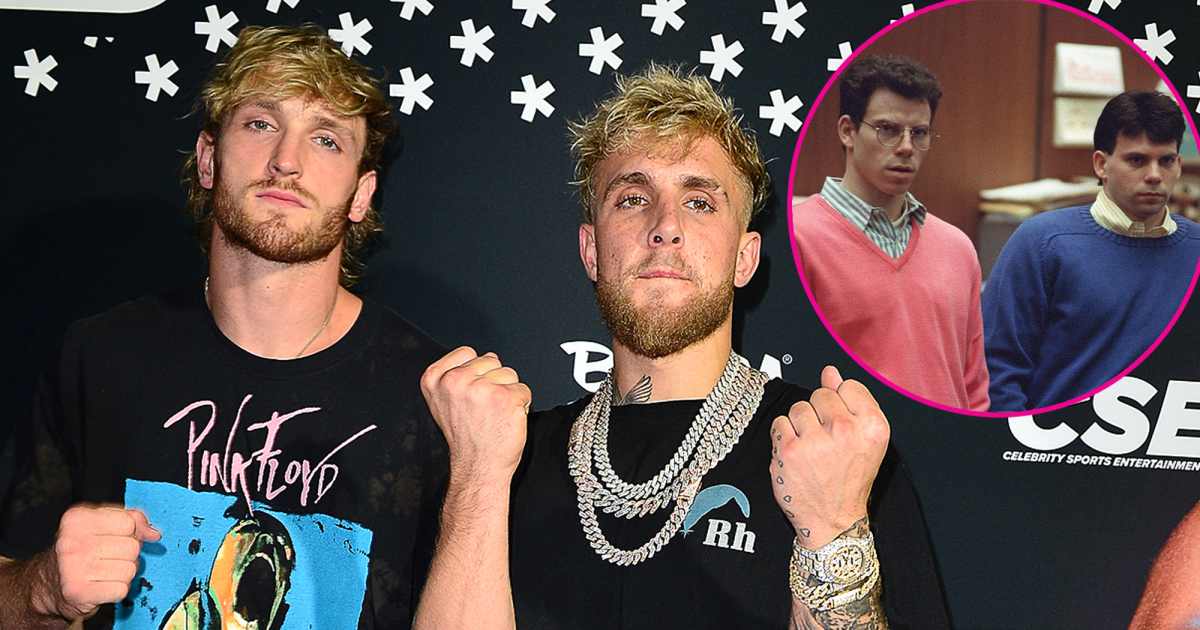
Logan and Jake Paul: Unraveling the Controversial Comparison to the Menendez Brothers
In a recent conversation that sent shockwaves through social media and traditional news outlets alike, Logan Paul made a bold statement drawing parallels between himself, his brother Jake, and the infamous Menendez brothers. This controversial comparison has ignited a debate about celebrity culture, personal accountability, and the multifaceted ways public perception shapes personal narratives. But what does this comparison really signify? Let’s explore the implications of this statement and the broader cultural context surrounding it.
The Menendez Brothers: A Brief Overview
To understand the gravity of Logan Paul’s comparison, it’s essential to revisit the story of the Menendez brothers. In the early 1990s, Lyle and Erik Menendez became infamous after they were convicted of murdering their wealthy parents in Beverly Hills. The case captured national attention, not only for the brutality of the crime but also for the brothers’ complex personal backgrounds and the sensational trial that followed. The Menendez brothers’ narrative involved themes of familial dysfunction, emotional trauma, and the question of nature versus nurture.
Logan and Jake Paul: The Controversial Influencers
Logan and Jake Paul are undoubtedly two of the most recognizable figures in contemporary social media and entertainment. Known for their YouTube careers, boxing matches, and various business ventures, the brothers have amassed millions of followers. However, their rise has not been without controversy. Both brothers have faced significant backlash over their actions, including Logan’s infamous Japan forest video and Jake’s various legal issues. These incidents have led to accusations of recklessness and a lack of accountability.
Context of the Comparison
Logan Paul’s comparison to the Menendez brothers seems to stem from a desire to highlight the public’s tendency to vilify and scrutinize figures in the spotlight. In his statement, Logan suggested that just as the Menendez brothers faced harsh judgment for their actions, he and Jake have been subjected to relentless criticism for their controversies. This raises an intriguing question: Is there a parallel between the public’s perception of these influencers and the sensationalized narrative surrounding the Menendez brothers?
While both cases involve the public’s fascination with scandal, there are stark differences in the nature of the actions and their consequences. The Menendez brothers committed a heinous crime that resulted in loss of life, whereas Logan and Jake’s controversies, while serious, do not carry the same weight of moral and legal culpability. This comparison might reflect more on Logan’s desire to provoke thought and discussion rather than a direct equivalence between their actions.
Celebrity Culture and Accountability
The comparison invites a broader discussion about celebrity culture and accountability. In today’s digital age, influencers like the Paul brothers operate in a realm where their actions are constantly scrutinized and judged by millions. This has led to a paradox where the allure of fame often overshadows the importance of ethical behavior. Celebrities can sometimes feel as though they are above the law or social norms, leading to reckless decisions that can have dire consequences.
As Logan Paul and Jake Paul navigate their careers, they exemplify a generation of influencers who grapple with the duality of celebrity: the power it grants and the responsibility it demands. The public’s reaction to their missteps can often feel disproportionate, leading to questions about whether society holds them to a higher standard than others. This dynamic can create a culture of fear and anxiety among public figures, who must constantly manage their image while dealing with the fallout from their actions.
The Impact of Public Perception
Public perception plays a pivotal role in shaping the narratives surrounding both the Paul brothers and the Menendez brothers. In the case of the Menendez brothers, their story has been told through various media outlets, documentaries, and dramatizations, which often sensationalize their actions and portray them in a specific light. Similarly, Logan and Jake Paul have become subjects of media scrutiny, with their stories often stripped down to the most controversial and sensational aspects.
This leads to a cycle where public figures are continuously defined by their most scandalous moments, rather than their growth or positive contributions. Logan’s comparison suggests a recognition of this phenomenon, reflecting his awareness of how easily narratives can be twisted to fit a particular agenda. It also raises questions about redemption and whether individuals can be allowed to evolve beyond their past mistakes.
Analyzing the Narrative of Redemption
The idea of redemption is central to the conversation surrounding celebrity accountability. For the Paul brothers, who have faced backlash for their past behaviors, the journey toward redemption is fraught with challenges. Society often demands that public figures acknowledge their wrongdoings, but the path to forgiveness is not always clear. Logan and Jake have made efforts to rebuild their images, engaging in charitable work and distancing themselves from prior controversies.
However, the question remains: Can they ever fully escape the shadow of their past actions? The Menendez brothers, despite their attempts at explaining their motivations and the trauma they experienced, remain defined by their crime. This contrast highlights the complexity of public perception, where the narratives surrounding individuals can be both rigid and fluid, often influenced by the prevailing cultural climate.
Conclusion: A Complex Cultural Commentary
Logan and Jake Paul’s comparison to the Menendez brothers serves as a provocative commentary on the nature of celebrity, accountability, and public perception. While the actions of the Paul brothers cannot be equated to the heinous crimes of the Menendez siblings, the underlying themes of judgment, redemption, and the struggle for personal narrative resonate across both stories.
As society continues to grapple with the implications of celebrity culture, it is critical to foster a dialogue that encourages understanding and growth rather than vilification. The Paul brothers’ experiences illustrate the challenges faced by public figures in an age where every misstep is magnified. Ultimately, this comparison invites us to reflect on our own perceptions and biases, encouraging a more nuanced understanding of the complexities of fame and accountability.
In the end, whether one agrees with Logan Paul’s controversial analogy or not, it undeniably sparks a conversation worth having—one that questions not only the actions of celebrities but also the societal frameworks that shape our judgments and narratives.
See more CNET Live