
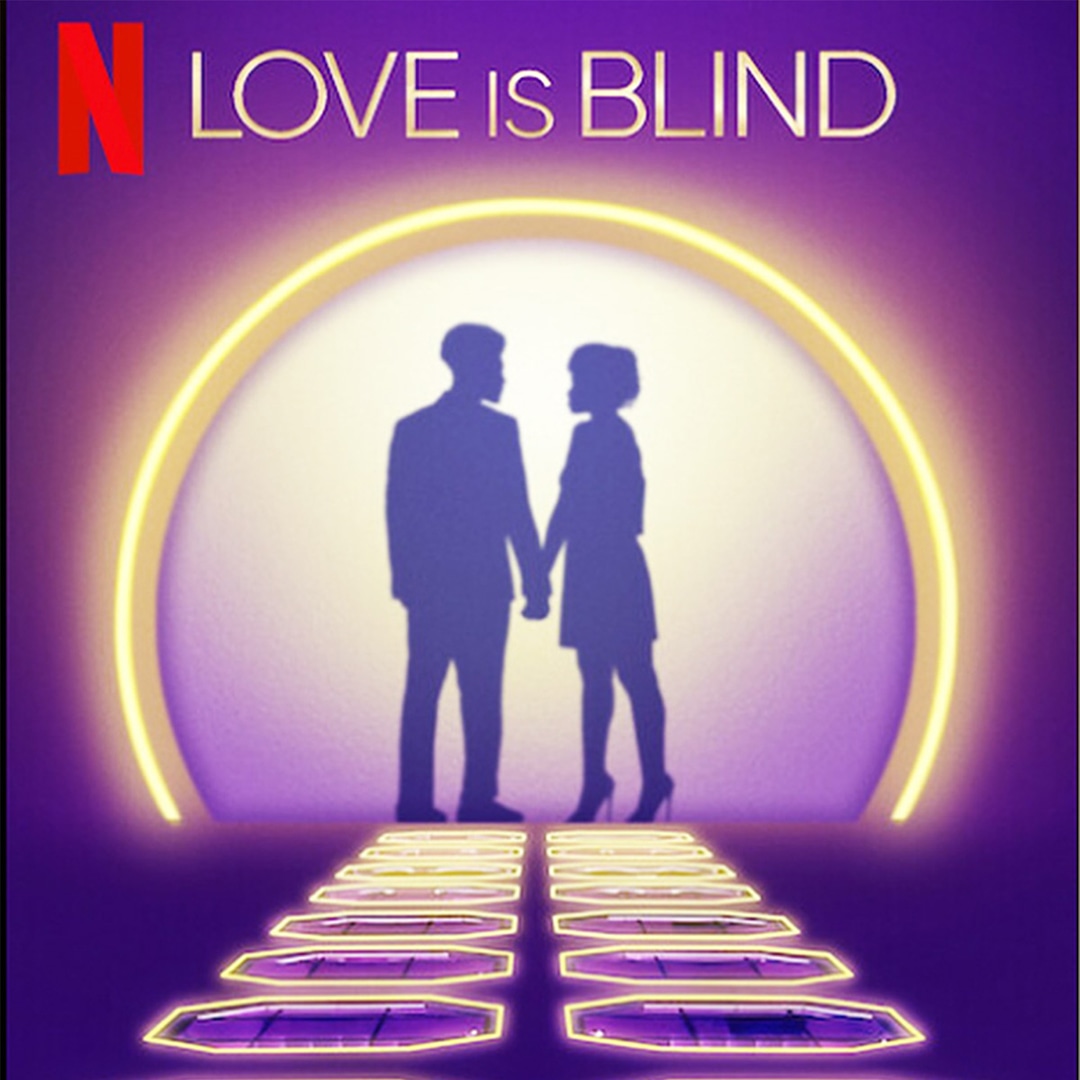
Unveiling the Hidden Truths Behind “Love Is Blind”
The reality dating show “Love Is Blind” has captured the hearts and minds of viewers around the globe, challenging conventional dating norms and pushing the envelope on what it means to find love. But what are the hidden truths behind this intriguing series? In this article, we will delve into the lesser-known aspects of “Love Is Blind,” exploring the behind-the-scenes revelations, the authenticity of the relationships, and the psychological dynamics at play when love faces the ultimate test.
The Concept: Love Without Sight
“Love Is Blind” operates on a unique premise: contestants engage in deep conversations without ever seeing each other. This blind dating format compels participants to focus solely on emotional connections rather than physical attraction. The overarching question remains: can love truly blossom when physical appearances are stripped away?
As viewers, we often see the glamour and excitement of the show, but behind the curtain lies a rigorous selection process. Contestants undergo extensive psychological evaluations to ensure they are both emotionally stable and genuinely seeking connections.
Behind-the-Scenes Revelations
While the show presents a polished version of events, several behind-the-scenes revelations can reshape our understanding of the series. Here are some intriguing insights:
- Filming Timeline: The entire process, from the initial meetings in pods to the eventual weddings, unfolds over several weeks. However, the editing creates a narrative that may not reflect the actual timeline, leading to misconceptions about the speed of relationships.
- Production Influence: Producers play a significant role in shaping the storyline. They often encourage participants to discuss specific topics or emotions, influencing the direction of relationships and the drama that unfolds.
- Contestant Selection: The casting process is highly selective. Producers look for individuals with compelling backstories and strong personalities to ensure engaging television. This selection can lead to a skewed representation of reality.
Authenticity of Relationships
One of the most compelling aspects of “Love Is Blind” is the authenticity of the relationships formed. While the show promotes the idea that love can develop without physical attraction, many viewers question the sincerity of the connections. Are these relationships genuine, or are they driven by the allure of fame?
Research in psychology suggests that the lack of visual stimuli can lead to deeper emotional connections. Contestants often express feelings of intimacy and understanding that may not occur in traditional dating scenarios. However, the pressure of the show can also alter dynamics.
Psychological Dynamics of Reality Dating
The psychological environment of reality dating shows like “Love Is Blind” can significantly impact participants. Here are some key dynamics at play:
- Isolation: Contestants are isolated from the outside world, which can heighten emotions and create a sense of urgency in forming relationships. This isolation can lead to intense emotional connections, but it can also foster unhealthy dependency.
- Group Dynamics: The presence of other contestants can influence individual choices and relationship dynamics. The social environment creates a pressure cooker atmosphere, where participants may feel compelled to conform or compete.
- Fame and Validation: As contestants become aware of their potential fame, the desire for public approval can complicate genuine feelings. The line between authentic love and game-playing can blur, raising questions about the true nature of their connections.
The Impact of Social Media
In today’s digital age, social media plays a crucial role in shaping public perceptions of reality TV shows. For “Love Is Blind” contestants, the online world can significantly impact their relationships both during and after the show.
Contestants often find themselves navigating a whirlwind of opinions, critiques, and fan interactions. This external pressure can influence their feelings and even impact their relationships. Many contestants report that the scrutiny they face online can create stress and strain within their partnerships.
Success Rates and Reality
Despite the dramatic premise, “Love Is Blind” has seen a mix of successful and failed relationships. Some couples, like Lauren and Cameron, have defied the odds and built lasting partnerships, while others have struggled to maintain their connections post-show.
The show’s success rate raises questions about the feasibility of love formed under such unique circumstances. While some couples thrive, others find that the transition to the real world presents challenges that are difficult to overcome.
Conclusion: The Future of Love on Reality TV
“Love Is Blind” has undoubtedly sparked conversations about love, relationships, and the nature of attraction. As viewers, we are drawn into the lives of these contestants, rooting for their success while questioning the authenticity of their journeys. The hidden truths behind the show’s premise shed light on the complexities of love in the modern age.
As reality TV continues to evolve, the lessons learned from “Love Is Blind” may influence future dating formats. The exploration of emotional connections over physical appearances could pave the way for more innovative relationship dynamics, reshaping our understanding of love itself.
Ultimately, “Love Is Blind” reminds us that while love may be blind, it is also a profoundly intricate and multifaceted experience. As we continue to watch and engage with reality dating shows, we are left to ponder the true nature of love and the paths we take to discover it.
See more CNET Live