
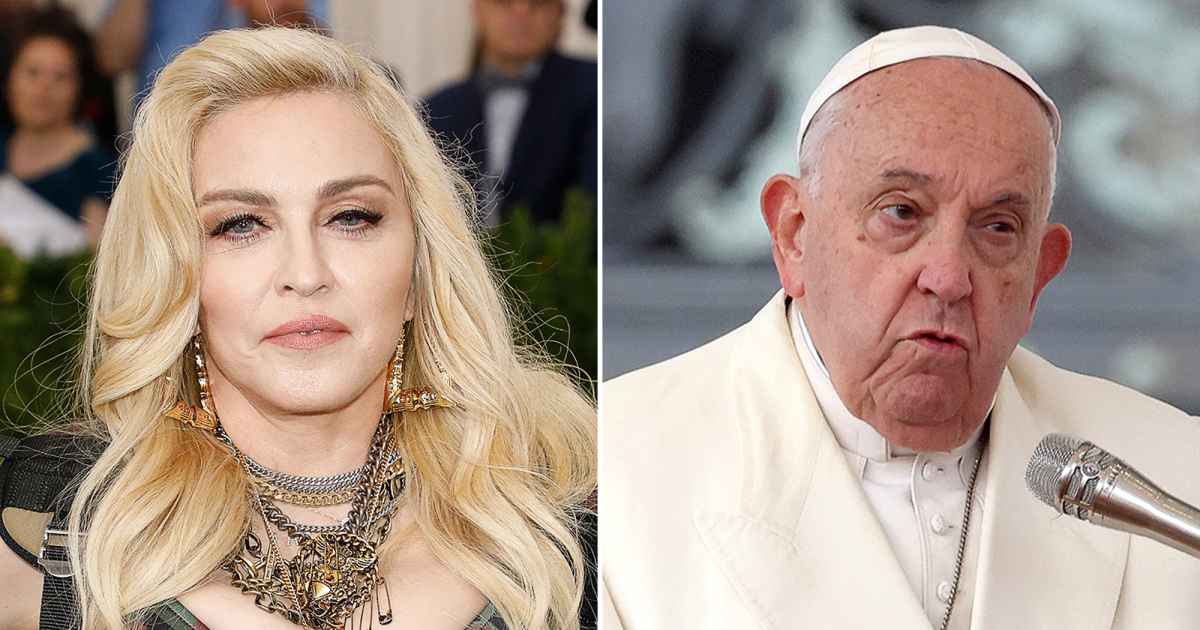
Madonna’s AI-Enhanced Image of Pope Francis: Artistry or Blasphemy?
In a striking move that has sparked heated discussions across social media platforms, pop icon Madonna recently shared an AI-generated image of Pope Francis that has polarized opinions among fans and critics alike. The image, which depicts the pontiff in a unique and avant-garde style, raises important questions about the interplay of art, respect, and technology in contemporary culture. As the digital landscape evolves, so too does the conversation surrounding the appropriateness of using AI in creative expression, especially when it involves revered figures and institutions.
The Intersection of Art and Technology
The use of artificial intelligence in art is not a novel concept; however, Madonna’s choice to feature a religious figure like Pope Francis in this medium has brought the discussion to the forefront. AI-generated art has gained traction in recent years, with creators leveraging machine learning algorithms to generate visuals that can range from abstract to hyper-realistic. This technology allows for unprecedented creativity but also poses ethical dilemmas regarding authorship, intent, and respect.
The Artistic Perspective
From an artistic standpoint, Madonna’s image of Pope Francis can be viewed as a bold statement on the evolving nature of creativity. Artists have historically pushed boundaries, provoking thought and discussion through their work. By employing AI, Madonna not only embraces cutting-edge technology but also challenges traditional notions of art-making. Here are some points to consider:
- Innovation in Art: AI as a tool can expand the artistic palette, allowing for new forms of expression that were previously unimaginable.
- Provocation of Thought: By using a figure as significant as Pope Francis, Madonna encourages dialogue about the role of religion in modern society and the intersection of faith and technology.
- Recontextualization: The AI-generated image invites viewers to reconsider their perceptions of both the artist and the subject, potentially leading to new interpretations of the papacy in contemporary culture.
The Ethical Debate
While many may appreciate the innovative approach, others express concern regarding the implications of Madonna’s choice. The depiction of Pope Francis through AI raises questions about respect for religious figures and the potential for misunderstanding. Critics argue that:
- Blasphemy and Disrespect: For many, the image may be seen as disrespectful, trivializing the spiritual significance of the pope and his role within the Catholic Church.
- Misrepresentation: AI can distort reality, leading to misinterpretations of the figure being portrayed, which could spread misinformation or create confusion about the pope’s messages and values.
- Cultural Sensitivity: The Catholic Church holds a significant place in the lives of millions worldwide. Artistic representations that do not align with traditional views may alienate or offend believers.
The Role of Social Media in Shaping Public Opinion
Madonna’s social media post quickly gained traction, with reactions flooding in from various corners of the internet. The immediacy of platforms like Twitter and Instagram allows for rapid dissemination of opinions, which can intensify the debate. The dual-edged nature of social media in this context is evident:
- Amplification of Voices: Social media enables diverse perspectives to be heard, creating a rich tapestry of dialogue surrounding the image.
- Polarization: The platform can also exacerbate divisions, as users may align with like-minded individuals, creating echo chambers that hinder constructive discussion.
- Censorship and Accountability: The question arises about whether certain content should be moderated. As seen in past controversies, social media companies grapple with the balance between free expression and community standards.
Broader Implications for Art and Society
The ramifications of Madonna’s AI-generated image extend beyond the immediate controversy. This incident prompts a re-examination of how society values art, the role of technology, and the respect afforded to cultural icons. Here are some broader implications:
1. Redefining Creative Boundaries
The integration of AI into creative endeavors challenges traditional boundaries of art. Artists are now tasked with navigating new ethical landscapes regarding the subjects they choose to depict and the mediums they employ.
2. Religion and Modernity
The portrayal of religious figures in contemporary art raises essential questions about the intersection of faith and modernity. As society becomes more secular and technology-driven, how will the representation of religious figures evolve? Madonna’s image may serve as a catalyst for deeper discussions about the relevance of religious symbolism in a rapidly changing world.
3. The Future of AI in Art
As AI technology continues to develop, its role in art will likely expand. The creative community must grapple with the implications of this evolution, including issues of authorship, originality, and the potential commodification of art.
Madonna’s AI-enhanced image of Pope Francis has undoubtedly stirred a complex conversation about artistry and respect in a digital age. While some herald it as a bold artistic expression, others view it as a potential affront to religious values. As the boundaries of creativity continue to evolve with technology, it is crucial for artists, critics, and audiences alike to engage in thoughtful dialogue about the implications of such work.
Ultimately, this controversy serves as a reminder of the power of art to provoke thought, challenge norms, and inspire change. As we navigate this new frontier of artistic expression, the conversations surrounding creativity, respect, and the role of technology in our lives will only intensify, inviting a deeper exploration of what it means to create in the 21st century.
See more CNET Live